

Pros And Cons Of Gardening In A Desert Climate


Nurturing a garden in a desert climate is a unique undertaking. Helping plants thrive in desert conditions is challenging, but it can also be very rewarding. If you live in this type of environment and are on the fence about starting a garden in your yard, you’ll first want to weigh the pros and cons.
Top benefits to gardening in a desert climate include long growing seasons, ample sunlight, and fewer weeds to pull. Deserts have fewer plant-eating insects and a low risk of fungus growth. They are also ideal for rock gardens. Unfortunately, many desert environments have salty soil, and the heat can make it difficult for many plants to survive. Desert gardens can also increase your water bill.
If you live in a desert, then you already know that growing anything green is easier said than done. There are, however, many reasons why gardening in a dry, sunny environment is worthwhile. Below is a list of the pros and cons of desert gardening to help you decide whether it’s right for you.
Pros Of Gardening In A Desert Climate
1. Often A Longer Growing Season
One of the top benefits of gardening in a desert climate is the extended growing season. While there are deserts in Antarctica, most habitable deserts are located in warm regions with short winters. If you live in one of these regions, you can usually garden for 10 months of the year or more, which is much longer than places that experience distinct winters and a shorter growing season. It’s especially great for growing herbs, vegetables, and produce multiple times per season.
2. Consistent Sunshine
What a desert lacks in water, it makes up for in sunshine. You never have to worry about finding a spot in the yard with full sun when you live in this type of climate. Many plants need at least six hours of direct sunlight to survive. When you grow plants in a desert, you never have to worry about sunlight being a factor. Instead, you can plant most plants anywhere, and simply add shade cloths over plants that don’t need as much sunlight.
3. Fewer Plant-Eating Insects
Pest control can feel like a full-time job for a gardener. One benefit of dry climates is that they have fewer insects than moist climates. While deserts still have plant-eating pests, it is much easier to control them and get rid of stagnant water when you live in a desert. Deserts have far fewer aphids, snails, slugs, and other common pests that decimate gardens.
4. Reduced Risk Of Mold And Fungus
Mold and fungus can wipe out entire gardens if left unchecked. These fungi require moisture to breed and survive. While they are a major problem in areas with high humidity, fungi are far less of a concern in desert climates. Since moisture evaporates from plants quickly in a desert environment, mold and mildew rarely have a chance to form. You don’t need to worry as much about airflow and watering the leaves of plants, which can save you some time.
5. Ideal Climate For Rock Gardens
The desert isn’t ideal for every plant, but it’s the perfect place for a rock garden. If you’re hoping to make your desert yard look better and want something low-maintenance, a rock garden is a great option. Creating a rock garden with low-maintenance plants that don’t need frequent watering will thrive in desert climates and are relatively self-sufficient.
6. Perfect For Succulent And Cacti Lovers
If you love cacti and succulents, gardening in the desert should be your dream. Most people are aware that cacti thrive in the desert, but so do many succulents. While succulents require more water and shade than cacti, these plants thrive in drier conditions and don’t mind sandy soil with fewer nutrients.
7. Fewer Weeds To Pull
Weeds are the bane of every gardener’s existence. They appear constantly, and weeding can take hours every week in larger gardens. While weeds grow in every climate, they aren’t nearly as aggressive in a desert. You usually don’t need to weed as much in arid environments, which means you can spend more time tending to your plants.
8. No Waterlogging Or Root Rot Concerns
Plants die just as often from too much water as they do from not enough of it. When you live in a dry climate, you rarely have to worry about waterlogging and root rot. Water doesn’t usually stick around long enough to damage your plants, which makes it easier to create a consistent watering schedule.
Cons Of Gardening In A Desert Climate
1. Temperatures Can Stress Your Plants
Extreme desert temperatures are among the most challenging aspects of gardening in these regions. Some plants simply can’t survive temperatures above 100 degrees plus, deserts are known for cold nights. Constant extreme temperature changes can shock many plants. It can be very difficult to grow plants from seed, and seedlings may struggle in the heat and constant temperature fluctuations.
2. Soil Quality Concerns
Dry climates have very different soil from those in consistently moist environments. Since soil in these environments is often dry, it contains very few free-living organisms. There are fewer nutrients, and the soil is more susceptible to degradation. You must nurture and feed your garden significantly more when you live in the desert. Even with constant care, your soil may quickly lose nutrients and integrity.
3. It’s Difficult To Keep Soil Moist
Because desert soil contains so much sand and so little organic matter, it is difficult for it to retain water. When you water a desert garden, the liquid can quickly seep deep into the soil and evaporate. Combine the rapid soil drainage with full sun and high temperatures, and you have very challenging conditions for plants. You need to get creative and be very diligent if you want to keep your soil moist and plants hydrated.
4. Many Plant Species Struggle In Desert Climates
One downside to gardening in the desert is the limited number of plants to choose from. While some plants, like cacti, desert rose, palms, and succulents, all do well in this environment, other species can’t survive. Vegetable gardens can be challenging, and there are far fewer flowering plants that do well in hot, dry conditions. While it’s still possible to garden, you might not be able to grow the exact plant species you want.
5. Some Desert Soil Has High Salinity
Salinity is another concern to address when gardening in many desert environments. Due to a lack of rain and rapid evaporation, most desert soils have much higher salt levels than average soil. While some plants can grow in salty regions, most can’t survive in soils with high salinity levels. While it is still possible to garden in desert climates, you might need to build raised garden beds if the soil is salty.
6. Gardening In Summer Months Is Hard On The Body
Another downside to gardening in desert environments is that summer heat is brutal on the body. Extreme temperatures and intense sunlight aren’t only tough on plants, but they’re hard on humans as well. Gardening in the hottest months of the year is unpleasant, and in some regions, it may even be unsafe.
7. Constant Watering Can Increase Your Water Bill
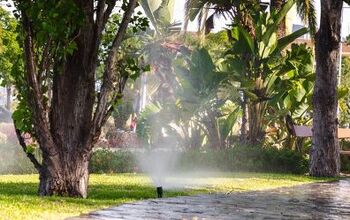
One of the biggest downsides to gardening in the desert is the cost. Water is typically a valued and expensive utility in dry communities. When you have a garden, you use significantly more water than when you don’t have plants to worry about. You must constantly water plants in a desert garden to keep them alive. Over time, this can significantly increase your water bill. If you are looking for ways to lower your water bill, you might want to reconsider building a garden in your yard.
Summing Up The Pros And Cons Of Gardening In The Desert
Living in the desert has many benefits and downsides, and gardening in this type of climate is no different. While challenging, it is still very possible to have a successful garden in a desert climate. There are even some benefits to desert gardening, including fewer weeds, a reduced risk of mold and mildew, and fewer plant-eating insects. There is also consistent sunshine and a longer growing season.
Some downsides to gardening in the desert include harsh temperatures, soil issues, and the fact that many plants simply can’t grow in hot and dry environments. Gardening in the desert is also hard on your body, and it can significantly increase your monthly water bill.
Related Guides:
- Top Tips To Remember When Mapping Out A Garden
- How To Maintain An Outdoor Garden Kitchen
- How To Keep Iguanas Out Of Your Garden
Tom Gaffey is an expert writer who currently resides in Washington D.C. Tom has a passion for real estate and home improvement writing, as well as travel and lifestyle writing. He lived the last twelve years in Hawaii where he worked closely with luxury resorts and event planners, mastering his knowledge of aesthetics and luxury products. This is where he found his passion for home improvement and a keen interest in DIY projects. Currently, Tom resides in Washington D.C, and also working on his debut fiction novel.
More by Tom Gaffey