

Try To Ignore These Things When You’re Looking At Houses

Buying a house isn’t something you want to rush into. It’s a big decision. But that doesn’t mean you need to look at every single thing with a microscope when you’re house hunting. Actually, there are a few things you should try to ignore when looking at houses.
Outdated decor, small repairs, minor cosmetic fixes, and messy rooms are all things you can change. Furniture, uncut grass, and trending design elements are other factors that shouldn’t weigh too heavily in your decision. If appliances are old but work, you can replace them gradually. Also, don’t put too much stock in other people’s opinions when you’re buying a house.
A new house is likely the largest purchase you’ll make, and it influences your life (and budget) a lot. Of course, you want to take your time choosing and weigh all of your options. However, make sure you consider the appropriate factors when selecting the best home for you.
Don’t Ignore The Things You Can’t Change When Buying A House
Before delving into all of the things that shouldn’t influence your house hunt, it’s vital to know what you can’t ignore. Anything you can’t change should move to the top of your list when you’re naming pros and cons. For example, you can’t change the location. If a house isn’t in the right neighborhood for you or has a super long commute to work, that’s huge. The only way your commute changes is if you change your job.
If the property has an HOA, it’s safe to assume that it’s going to continue that way. Although it’s not impossible to dissolve an HOA, it’s extremely involved and highly unlikely. Play it safe and consider this as something you won’t be able to change (whether you’re okay with an HOA or not). Other things you can’t readily change when you buy a house include:
- Lot size
- Zoning restrictions
- Proximity to neighbors
- View
- Topography
- Orientation
- Floor plan
- Square footage
Topography can affect drainage, flooding, views, and more. Orientation affects how natural light enters your home during the day, as well as temperature and energy efficiency. The floor plan and square footage of a home are worth putting in this category unless you have a huge renovation budget. You can’t easily change a home’s floor plan or size without knocking down walls or adding rooms.
Don’t gloss over these things, especially if something doesn’t feel right or won’t meet your needs. If you assume you’ll get used to it and buy the house anyway, you’re putting yourself in a tricky situation.
Pay Attention To Things You Have To Change
In addition to considering everything that won’t change, pay attention to anything you must change. For example, major repairs like a crumbling foundation, a leaky roof, or an old HVAC system, are things you need to address. If the seller isn’t going to do anything about them, you’ll have to, so don’t plan on sweeping them under the rug. Also, any major red flags when buying a home, such as pests, strange smells, or structural issues, should give you pause. Upgrades to outdated fixtures and major renovations are certainly worth considering. However, they aren’t necessarily things you have to do immediately if the home is in good shape.
Things You Can Ignore When Buying A House
Undeniably, there are all sorts of things to consider when buying a home, which is why it’s so important to know where to focus your energy. Don’t devote too much time to things you should ignore when looking at houses.
- Furniture and decor
- Basic repairs
- Simple cosmetic changes
- Messy rooms
- Old appliances
- Minor landscaping issues
- Trending designs
- Other people’s opinions
Furniture And Decor
Unless the property you’re buying includes all the furniture, there is no reason to focus on it. Interestingly, sellers are told to stage their homes to appeal to buyers, as furniture and decor can influence how people perceive the home. This doesn’t mean you need to include the furniture in your decision-making process. If you buy the home, you’ll either bring your furniture with you or get new pieces. So don’t let the furniture sway your choice.
Basic Repairs And Minor Home Inspection Issues
Every home will have something you need to fix. Your home inspection report will likely turn up a few items. However, things like loose doorknobs, a chipped tile, or worn-out weatherstripping are minor and easy to fix. Worry about the big things, such as wiring issues, structural defects, or water damage. But if it’s only a few minor items, don’t let these play a huge role in influencing your decision.
Simple Cosmetic Changes
Don’t like the weird pink color in the kitchen? Is the floral wallpaper in the bathroom screaming 1970, and not in a good way? Maybe the light fixture in the den has seen better days. These are small cosmetic fixes that you can change. Painting is especially easy to DIY quickly and affordably. If everything else is working for you, don’t skip the house because of minor cosmetic issues.
Messy Rooms
Clutter and dirty rooms could be a reason to second-guess a home if it’s excessive. It could point to storage issues or hint at deferred maintenance elsewhere. However, average messy rooms shouldn’t make you turn away from a home that checks a lot of boxes. Dirty dishes in the sink, some toys in the den, or soiled clothes in the laundry room are part of life. The seller may simply not have had a chance to tidy up before the showing.
Old, Working Appliances
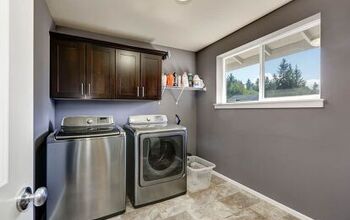
Some homes come with appliances, some don’t. You might get the fridge, range, and dishwasher, and have to purchase a washer, dryer, and microwave. Regardless, if the appliances that stay with the home are outdated, don’t scratch the home off your list just yet. If they work, you can at least replace them gradually. Or if you have a move-in budget, you can buy new ones all at once.
Minor Landscaping Maintenance
Ignore routine landscaping maintenance that may be a little overdue, like cutting the grass or weeding the garden. If everything looks fine overall, you can easily remedy these things over the weekend (or the seller is likely planning to do so). What you don’t want to ignore are things like overgrown bushes or trees that are impeding on the home. They could cause damage to the roof or other parts of the structure. In some cases, foliage and dirt making contact with the house could also open the door to certain pests.
Current Design Trends
Design trends come and go, and what’s hot today can be out tomorrow. If you’re looking at a home that has all the latest design bells and whistles, don’t let it distract you. You could end up missing critical information about the things you really need to pay attention to. On the flip side, if the home lacks any current design trends, don’t let that bother you. Focus on what you want in a house and the things you can’t change. Over time, you can create the style you want in your home.
Other People’s Opinions
You’re the one buying a house, not your friends, family, or coworkers. It’s always nice to hear other perspectives from others who have bought homes, but unsolicited advice is like bad music; nobody wants to hear it. Ignore the comments like, “I wouldn’t live there,” or “Are you sure that house isn’t too big?” You know your situation, and at the end of the day, you need to listen to yourself (and anyone else who’s buying the home with you).
Know What To Ignore When Looking At Houses So You Focus On What Matters
Don’t get hung up on furniture, small cosmetic changes and repairs, or minor landscaping when you’re looking for a home. These things either won’t be there anymore after you buy, or you can easily adjust them.
Ignore other people’s opinions and current design trends. If a house checks the non-negotiables (great location, no major issues), don’t take it out of the running because of outdated appliances.
House hunting can be stressful, and buying a home it’s a huge decision. Weeding out the things you can ignore when buying a house allows you to focus on what’s most important. After you move in, you can address the small things over time and end up with a home that’s just right for you.
Related Guides:
- What To Look Out For When Buying A Home In A Fire Zone
- What Are You Willing To Compromise When Buying A Home?
- Red Flags To Look For When Buying A Home

Stacy Randall is a wife, mother, and freelance writer from NOLA that has always had a love for DIY projects, home organization, and making spaces beautiful. Together with her husband, she has been spending the last several years lovingly renovating her grandparent's former home, making it their own and learning a lot about life along the way.
More by Stacy Randall