Eight Common Indoor Plant Pests


Part of the appeal of growing houseplants is that they aren’t as susceptible to bug infestations that can occur in your garden. While that’s partially true, indoor plants are still vulnerable to a range of pests. Some common indoor plant pests can kill your plants and spread quickly if you don’t act fast.
Common indoor plant pests, like aphids, thrips, and spider mites, feed on sap and suck the nutrients from your plants. Some of these pests leave a sugary honeydew residue behind, which attracts ants. Overwatering can attract whiteflies, mealybugs, and fungus gnats, which leave the plants vulnerable to disease.
It's a good idea to quarantining each new purchase before putting them near other houseplants. That way, you can check them for diseases, identify pests, and make sure the plant remain healthy for a few weeks. Follow along as we highlight eight common indoor pests that can wreak havoc on your favorite plants.
Common Pests That Invade Houseplants
Any bug you find outside in your garden can eventually wind up on your houseplant. Some of them are less likely to come indoors, but they can easily hitch a ride on your plants when you move them inside. There are a handful of problematic pests to be aware of, such as:
1. Spider Mites
Brown recluse and black widow spiders may be dangerous to humans, but spider mites can devastate your indoor plants in no time. These tiny arachnids leave small, stippled marks and thin webs on your plants. Female spider mites can lay 300 eggs per week, so the problem can quickly get out of hand. They pierce the leaves and suck the sap, which can damage and discolor the plants.
Spider mites are drawn to dry, dusty plants, which is why neglected ones often suffer the most damage. You can tell a plant has spider mites if you find thin webs and clusters of white and yellow spots. The best way to kill spider mites is to thoroughly spray infested plants with a strong stream of water. You can also kill them with a mixture of mild dish soap and water. Going forward, dust your plants 1-2 times per month, and pay attention to the underside of the leaves.
2. Thrips
Do you have bright, vibrant indoor plants? If so, that may explain why you keep finding thrips in your house, and you should act quickly. Thrips are small winged insects that suck the sap out of plants that have young leaves and bright buds. While they’re common outside, many people are upset when they find this pest indoors. Thrips sometimes cling to plants at nurseries, then people unknowingly bring them home.
Once this happens, the thrips can hop from plant to plant and quickly reproduce. Thrips can also come inside when you bring your plants in for the fall or winter. Isolate the infested plants, blast them with water, and treat them with neem oil. The water will dislodge some of them, and the neem oil will kill the rest.
3. Aphids
Aphids are among the most annoying, destructive garden pests, and you can find them on your indoor plants. They can hitch a ride on plants you buy from nurseries or the plants you bring in from your garden. Aphids feed on buds, leaves, and stems equally until your plant is severely damaged. You can typically find aphids in clusters on top of or under the leaves of a plant, resulting in curled, yellowed, and weakened leaves behind after feeding.
Ideally, you should bring an infested plant into the bathroom and put it in the tub or a bucket of water. Soak it upside down for up to 15 minutes to smother and kill the aphids. The trick is to cover the soil with cling wrap or foil to ensure the nutrients don’t wash out. This is a risky process, but the alternative is that aphids will spread to all your indoor plants.
4. Fungus Gnats
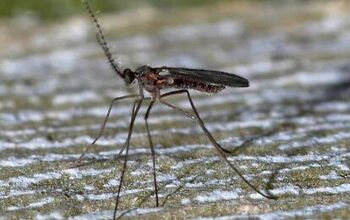
Nobody wants to find gnats indoors, but houseplants attract them for many reasons, such as excessive moisture, which is part of having houseplants, as you must routinely water them and maintain high humidity. Water and the organic matter surrounding it can easily attract fungus gnats. They can easily be on your plants when you bring them indoors.
Fungus gnats linger at the top 2" of the soil, as it typically remain moist for a while. The big risk is that fungus gnats can spread fungal diseases among your plants and kill them. They’re especially harmful to young plants that aren’t strong enough to withstand this pest. The best way to deter fungus gnats is to put sticky traps in the soil, so you don’t have to treat your indoor plants with harmful chemicals.
5. Scale Insects
Scale insects may not look like much more than tiny bumps, but they can significantly damage your indoor plants. The barnacle-shaped insects are drawn to nitrogen-dense plants, stick to them and suck out the sap and key nutrients. At first, many people mistake them for debris until they realize they’re harming the plant.
These pests also leave a honeydew residue behind on the leaves, which can eventually attract ants and other pests and create more problems. The good news is that you can manually remove scale insects from your plants. Soak a Q-tip with isopropyl alcohol, dab the scales, and gently remove them. However, if there is a severe infestation, treat the plant with insecticidal soaps and neem oil.
6. Mealybugs
In some ways, mealybugs look quite unassuming. They’re tiny and crawl so slowly, they don’t look like they pose a threat. However, mealybugs can wreak havoc on your indoor plants and quickly spread among them. Mealybugs move slowly, but they reproduce quickly and can lay 100-600 eggs within 10-20 days. They are drawn to humid, warm environments and plants with a high sap count.
They especially love citrus plants and tropical flowers, which are common houseplants. The best way to get rid of mealybugs is to spray them with a mixture of mild dish soap and warm water. You can also spray them with diluted isopropyl alcohol, but that may harm your plants. Instead, dab them with cotton swabs dipped in alcohol to protect the rest of the plant.
7. Whiteflies
Nobody wants winged insects of any kind in their house, even if they’re just confined to houseplants. Whiteflies are among the most common indoor plant pests and hide on the underside of your plants’ leaves and suck out the sap. Not only do they feed on the sap, but they can also spread diseases among your plants. They feed on indoor plants until the leaves turn yellow and become wilted.
You can inadvertently attract whiteflies by overwatering your plants. Water your houseplants only when the top 2” of soil becomes dry, or else you may attract whiteflies. The best way to kill this pest is to put yellow sticky traps in the soil. Otherwise, you can use neem oil or insecticidal soap to kill them.
8. Ants
Ants aren’t drawn to many indoor plants on their own, and they typically only show up when other pests do. For example, ants are attracte to the honeydew residue that aphids, scale insects, mealybugs, and whiteflies leave behind. This sugar-dense waste product brings ants in the same way a chocolate milk spill on your counter does. Once ants come indoors, they often gravitate to potted plants that have the perfect nesting conditions.
The moisture, warmth, and lack of predators can keep the ants comfortable for quite a while. That's why you should get rid of the ants without damaging your plants. The best way to do so is to scatter diatomaceous earth on top of the soil in the potted plant. This kills ants by drying them out, even if it takes a little while. Otherwise, you can use distilled white vinegar, cinnamon, garlic oil, or coffee grounds to kill the ants.
How To Protect Your Houseplants From Pests
The best way to protect houseplants from pests is to quarantine each plant before putting it with the others. Ideally, keep each plant separate from the others for at least 2 weeks before putting it in your indoor garden. This includes plants you bring in from outside and plants you buy from nurseries. Keep the plant at least 15 feet away from established plants.
That way, you can prevent pests from spreading between your plants. This quarantine period will also give you plenty of time to identify pests and treat the plants accordingly. It’s also a good idea to treat them with neem oil before putting the plants beside other plants. The neem oil won’t hurt the plant, but it will help ensure no viable pests can affect the rest of your plants.
Summing It Up
Spider mites, thrips, and aphids are among the most common indoor plant pests. Other pests, like fungus gnats, scale insects, and mealybugs, can wreak havoc on houseplants. You can deter many common indoor plant pests by treating them with neem oil and insecticidal soap.
Related Guides:
Nick Durante is a professional writer with a primary focus on home improvement. When he is not writing about home improvement or taking on projects around the house, he likes to read and create art. He is always looking towards the newest trends in home improvement.
More by Nick Durante