
Other Uses For Dish Soap At Home


Most people have dish soap at home, including you. However, you may not realize how useful this soapy liquid is if you only use it to wash dishes. It's helpful to know that you can use dish soap for everything from pest control to cleaning floors.
Dish soap has many uses at home, such as killing weeds and removing tub and shower stains. You can mix dish soap with apple cider vinegar to create gnat and fly traps. Dish soap also works well as a stone countertop cleaner and window and drain cleaner.
Some people even mix dish soap with baking soda and massage it into their skin to remove stains after dying their hair instead of using harsh chemicals, which could burn skin. Follow along as we highlight nine alternative uses for dish soap at home.
Other Uses For Dish Soap At Home
1. Kill Weeds In Your Garden
It’s hard to keep up with the weeds in your yard and garden throughout the spring and summer. That’s especially true if you want to avoid using harmful chemicals, which can kill your plants. Luckily, you can kill the weeds in your garden with some mild dish soap and white vinegar. Grab a bucket and fill with up to 1 gallon of distilled white vinegar. Add a tablespoon of mild dish soap and a cup of salt, then thoroughly mix.
This solution won’t kill weeds immediately, but they should die within a few hours under the right conditions. The vinegar and dish soap will dehydrate the weeds and kill them. Do this early in the day when it’s as sunny as possible so the dish soap and vinegar will dehydrate and kill the weeds before the sun goes down.
2. Unclog Drains
No matter how careful you are, you’ll probably have to deal with clogged drains at one point or another. Instead of reaching for corrosive chemicals, consider using dish soap to unclog the drain. Dish soap can effectively break down grease, but it can’t necessarily manage extreme grease clogs. Mild dish soap can also act as a lubricant and help other obstructions flow down the drain.
If your sink is full of water, manually siphon it out with a hose or a bucket. When it’s mostly empty, pour a few tablespoons of dish soap directly into the drain. Set a timer for 15 minutes, then boil some water when there’s only a few minutes left on the timer. Flush the drain with hot, nearly-boiling water to soften and dislodge clogs. Repeat this process as many times as you need before moving on.
3. DIY Insecticide
There are many reasons why you shouldn’t use harsh commercial insecticides. However, you can use products like mild dish soap, to create a safe DIY insecticide. Even just 1-2 teaspoons of mild dish soap with a gallon of water can do the trick. That said, you must be careful about which dish soap you use and how well you mix it. Don’t use aromatic dish soap, as the perfumes and extra chemicals can harm your plants.
Use the most basic mild dish soap possible and avoid ones with degreaser additives. Ideally, you should test the solution on a few leaves before treating the whole garden. That way, you can dilute the solution if it seems too strong. Once you’re comfortable with it, treat all the infested plants in your garden to deter pests.
4. Remove Stains
No matter how careful you are, there’s a good chance that you’ll spill your favorite foods and beverages on your clothes and furniture. Stain removal is one of the best uses for dish soap at home. Blue Dawn is the best product to remove stains, especially when grease and oil are involved. Put a few drops of dish soap on the stain and rub it in with some water. An easy way to do that is to wet a toothbrush and gently massage the soap into the stain.
Set a timer for 30 minutes, then rinse and wash the stained clothes. This should at least weaken the stain and make it less visible. Be careful when removing stains from furniture, as you don’t want to use too much dish soap or water.
5. Clean Countertops And Floors
Do you have marble or granite countertops and floors? If so, it's important to keep them clean, no matter how frustrating it can be. Mild dish soap can clean stone countertops and floors. Some people clean stone floors and countertops with white vinegar, but they shouldn't.
It’s too acidic and may tarnish the surface with prolonged use. Instead, fill a spray bottle with warm water and add 1-3 drops of dish soap. Spray the floors and countertops, and mop them section by section. The dish soap will help make the surfaces look vibrant and pristine without damaging the minerals.
6. Catch Gnats And Flies
Winged pests, like gnats, flies, and mosquitoes, can leave you feeling on edge at home. Catching them is hard, and killing them often involves using harmful chemicals. However, a little bit of dish soap and apple cider vinegar can help you catch and kill the gnats and flies in your home without much effort. You can also use red wine vinegar if that’s all you have in your pantry.
Put 3-4 drops of mild dish soap in a small dish and fill the rest with apple cider vinegar. The vinegar aroma will attract gnats and flies, and the dish soap will trap them. That’s because the dish soap is thick and sticky, so the gnats and flies will struggle to fly away. You may need to experiment with how much vinegar you use. Using too much will thin out the dish soap, and the trap won’t work as well.
7. Clean Windows
Many people want to cut back on VOCs at home, and who can blame them? Fumes from glass cleaners and other commercial cleaners can irritate your lungs and trigger allergies. However, mild dish soap isn’t typically much of an irritant, and it’s great for cleaning windows. You can make your own DIY glass cleaner using a spray bottle, water, and a few drops of dish soap. If you’re using a huge bucket, you can add more. This works for interior and exterior windows, and glass shower doors.
8. Remove Tub Stains
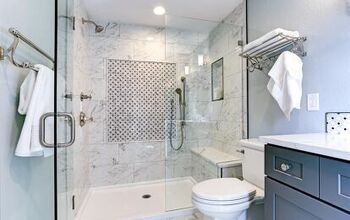
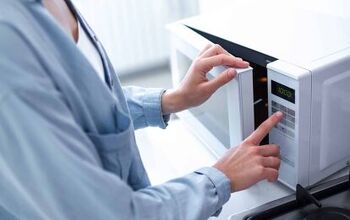
Soap scum and even hair dye can wreak havoc on a shower and bathtub. If using soap to remove soap scum sounds weird, it's not. Mixing dish soap, white vinegar, and corn starch can create the perfect soap scum cleaner. However, you cannot use this mixture on stone tubs and wall tiles, as vinegar can damage stone. Otherwise, mix 2 tablespoons of white vinegar and 1 tablespoon of corn starch in a bowl, then microwave it for up to 2 minutes.
Pour 2 tablespoons of mild dish soap into a spray bottle, and add the cornstarch and vinegar mixture. Thoroughly shake the bottle to mix everything, then spray and scrub the soap scum stains in your tub and shower. When you’re done, rinse the tub and shower walls with water and enjoy a stain-free tub.
9. Tidy Up After Dying Hair
Anyone who has ever dyed their hair at home has probably experienced staining their skin. Whether it's the forehead or the back of the neck, some hair dye will stain your skin. However, you don’t have to wait until it fades, especially if you have dish soap at home. APut a bit of baking soda in a tiny dish and add a drop or two of dish soap. Carefully mix the ingredients with your finger and dab it onto the dye stains. Work it into the stain, rinse with warm water and the stain should disappear.
Summing It Up
You can use dish soap to kill the weeds in your yard and unclog your kitchen sink. Some people mix dish soap with water and spray their plants to protect them against insects and other pests. Dish soap is also a great hair dye stain remover, and you can use it to clean stone countertops and floors.
Related Guides:
Nick Durante is a professional writer with a primary focus on home improvement. When he is not writing about home improvement or taking on projects around the house, he likes to read and create art. He is always looking towards the newest trends in home improvement.
More by Nick Durante