

Why Is There So Much Static Electricity In My House?


Many people are familiar with the experience: grabbing their favorite blanket and gotting shocked. Static electricity may not be too dangerous, but it is uncomfortable and annoying. So, why is there so much static electricity in my house?
If your house has a lot of static electricity, it’s likely because the humidity level is below 30%. Moist air can help disperse electrons and ensure you don’t get shocked when walking on carpet or handling your laundry. Synthetic fiber clothing and blankets are prone to excessive static electricity due to friction.
You don’t need to worry about static electricity, as you can easily reduce it and avoid shocks. Follow along as we explore why there is so much static electricity in your house and highlight some solutions.
Why Does My House Have So Much Static Electricity?
Low Indoor Humidity
Do you notice static electricity throughout your whole home? If so, it’s likely because the indoor humidity level is too low to disperse electrical charges. Moist air serves as a conductor, ensuring electrical charges don’t linger on the surfaces in your home. While you may not see it, water molecules from moist air can sit on the surfaces in your home and is sufficient to ground charges and reduce friction.
If the indoor humidity in your home is below 30%, this won’t likely happen, and the air will dry the surface moisture and create friction. Electrons can accumulate on dry surfaces and when you touch them, you may experience uncomfortable static shock.
Your Floors Are Carpeted
Friction causes static electricity, and that’s because electrons transfer between materials. You will most likely notice this when walking on carpeted floors while wearing socks. That’s especially true if your socks or slippers are made of synthetic materials, like polyester and nylon. Carpet acts as an insulator, helping electrons accumulate and charge over time.
When you walk on carpet while wearing shoes, socks, and slippers made from synthetic material, your feet will have a net negative charge. This won’t happen with hardwood or concrete floors, which don’t retain and charge electrons.
This problem can be much worse if your home’s air is already quite dry. Nylon carpets are especially known for creating uncomfortable static shocks.
You’ve Been Running Your Furnace
By now, you know that low indoor humidity can cause a lot of static electricity in your house. However, you may not realize that your furnace may be the root of the problem. A furnace can heat your home, but it can also reduce moisture in the air. That's why you may notice more static electricity during the winter when you rely on your furnace the most. Furnaces remove enough moisture that your skin, eyes, and nostrils may feel dry.
How To Reduce Static Electricity At Home
While there’s no way to prevent static electricity from accumulating, you can reduce it at home using several methods, such as:
Use A Humidifier
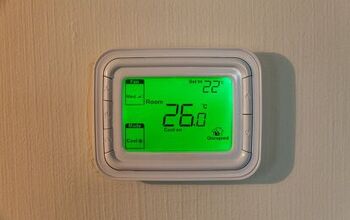
The easiest way to reduce static electricity at home is to use a humidifier. You can program it to maintain an ideal indoor humidity level. Set your humidifier to between 30% and 60% to reduce static electricity and keep your house comfortable. That said, you may still notice static electricity at around 30% relative humidity. In that case, you may want to keep the humidity at 40%, especially if the furnace is on a lot.
Never exceed 60% indoor humidity, as that can increase the risk of mold and mildew growth. Using a humidifier can also help prevent dry skin, nosebleeds, cold symptoms, and some respiratory issues. You can find small, affordable humidifiers meant to treat the air in a single room. Otherwise, you can invest in a whole-house humidifier, which costs between $700 and $2,000.
Patch Air Leaks
Unless your house is brand-new, there’s a good chance you’ll find air leaks throughout your home. Many homes have gaps beneath doors and around windows. Outside air can reduce your home’s humidity as it enters your home through these gaps. Whether it’s gaps beneath your doors or cracks in the exterior walls, you must keep outside air out of your home.
The best way to do this is to install door sweeps or weatherstripping beneath entry doors. Doing so will retain air conditioned or heated air and keep outside air from entering your home. You can also patch small window gaps and cracks with caulk and fill bigger gaps with spray foam. Whatever you use, check to see whether it’s rated for indoor or outdoor use. That way, you can ensure it will perform as it should.
Use Natural Fiber Blankets/Clothes
Many people buy clothing, blankets, and bedding made of synthetic fibers. These materials are widely available and sometimes more affordable than products containing natural fibers. You can reduce static electricity at home if you use natural fiber products instead of synthetic ones. Silk, cotton, and wool are among the best natural fibers, especially if you want to avoid static shocks.
Natural fibers are conductive and hydrophilic, and attract moisture and disperse electrons. A wool blanket will constantly absorb moisture from the air, which is why it won’t shock you. Conversely, synthetic blankets don’t absorb much water, and they cause a lot of friction. Natural fibers don’t cause as much friction because they’re smoother than polyester, acrylic, or nylon.
Air-Dry Your Clothes
You’ve probably noticed more static electricity when you pull your clothes out of the dryer. That’s because the heat and tumbling cycle can increase friction and reduce moisture. However, this won’t likely happen if you hang your clothes when they’re still wet.
Don't put wet clothes in your closet, as that can cause mold. Instead, hang them on a line or throughout your house in areas with good airflow. Leave space between each item, so they don’t stay wet for too long.
Use Dryer Sheets
Dryer sheets help soften clothes and infuse them up with pleasant scents. Dryer sheets are coated with fabric softener and smell great, but their best trait is reducing static electricity. The fabric softener in each sheet is positively charged, which can neutralize electrons during the tumble cycle.
Neutralizing electrons and reducing friction is enough to prevent static cling. However, dryer sheets have some downsides, as leaving a waxy coating on your clothes. They can also irritate your skin and trigger your allergies if you’re sensitive to it.
Summing It Up
If your home has a lot of static electricity, it’s likely due to low indoor humidity. This, paired with synthetic clothing and carpets, can cause static to accumulate in your house. You can reduce static electricity at home by patching air leaks, using natural fibers, and running a humidifier.
Related Guides:
Nick Durante is a professional writer with a primary focus on home improvement. When he is not writing about home improvement or taking on projects around the house, he likes to read and create art. He is always looking towards the newest trends in home improvement.
More by Nick Durante










![10 Most Dangerous Neighborhoods in Baltimore [Updated]](https://cdn-fastly.upgradedhome.com/media/2023/07/31/9075655/10-most-dangerous-neighborhoods-in-baltimore-updated.jpg?size=350x220)