

Disinfect These Spots In Your Home To Prevent Winter Illnesses


People tend to get sick more often in the winter than in the summer. The coldest months of the year coincide with flu season and a sharp spike in colds and other contagious viruses. When you go out in the world, you must keep your distance from others and wash your hands frequently to avoid getting sick, however, it’s equally essential to keep your home clean and sanitized so it is germ-free.
To reduce the spread of germs, frequently disinfect and wipe down the surfaces in your home that you touch most often. Disinfect door handles, light switches, refrigerator doors, remote controls, and railings every day. Wash your throw blankets, bed sheets, and pillowcases, especially when someone is at home sick. In your bathroom, remember to wipe down toothbrush holders, countertops, and toilet handles.
If you find yourself getting sick multiple times every winter, then it’s time to start finding proactive ways to keep these ilnesses out of your home. You can’t control all the germs in the outside world, but there are many ways you can make your home a sanctuary from sickness. Below is a list of all the areas in your home you should keep disinfected this winter to help prevent contagious ilnesses.
14 Places To Disinfect In Your Home To Prevent Winter Illnesses
1. Door Handles
There are few objects you touch more frequently with your bare hands than door handles. It’s the first thing you touch when you come home and the last thing you touch when you leave. The constant contact makes it easy for germs to spread on the door handle.
In the winter, diligently wipe down all the door handles in your home. If someone is sick and contagious, wipe them multiple times a day. Your outside door handles should get the most attention, as it’s very easy to spread germs from outside.
2. Light Switches
You might not realize it, but your fingers are constantly turning light switches on and off in the home. When cold and flu season peaks in the winter, add cleaning light switches to your daily cleaning checklist. Use disinfectant on a dry rag, and clean carefully so you don’t get the light switches wet, as they are connected to electrical wires. Consider which light switches you use most often and give them more frequent attention.
3. Refrigerator Doors
The average fridge opens more than 30 times per day, especially when you live in a home with a large family. The constant opening and closing of the refrigerator makes the door handles vulnerable to germs. Wipe down your fridge at least once per day. Since you often eat right after you open the refrigerator, it’s very easy to come in contact with germs that can get you sick in the winter. Being diligent about keeping your fridge door disinfected and washing your hands can help reduce your risk of contracting something.
4. Railings
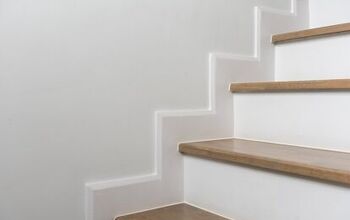
If you have stairs inside your home or at your front door, you likely have at least one handrail. Railings are great for staying safe and balanced on stairs, but they are also a place where germs and bacteria can collect. Since railings are frequently touched surfaces in your home, wipe and disinfect them regularly. Make it a habit of cleaning them with disinfecting wipes throughout the winter to help reduce the spread of germs.
5. Remote Controls
Winter is a cozy season when people spend a lot of time on the couch watching television. While your TV is rarely touched, the remote control can become a hotbed of germs, especially during cold and flu season. To disinfect your remote, remove the batteries, then use a clean rag with isopropyl alcohol to disinfect the remote. The alcohol will dry quickly, and once it does, you can reinsert the batteries.
6. Thermostat
With winter temperatures constantly changing, your thermostat is likely to get a lot more attention than usual, so you should clean your thermostat regularly. To clean a thermostat, first shut off the power. Then use isopropyl alcohol and a microfiber cloth to clean and disinfect the device's surface.
7. Throw Blankets
Throw blankets are fantastic in the winter. They help keep you warm, can save you money on heating costs, and help create a cozy ambience. But these blankets are also used more frequently in the colder months, which means they get dirty faster. To help keep your home free of germs and sickness, wash your throw blankets more frequently. Once a week is a good standard. If someone in your home is sick, wash all blankets they touch to reduce the spread of germs.
8. Phones
Your cell phone and other portable devices are in direct contact with your mouth and hands, making them among the most germ-covered objects in your home. To prevent germs from spreading on your phone and elsewhere, wipe it down daily. To disinfect your phone, turn it off. Then use a 70% isopropyl alcohol solution and a microfiber rag to clean the surface. If you have a phone case, remove it first so you can clean the case and device thoroughly.
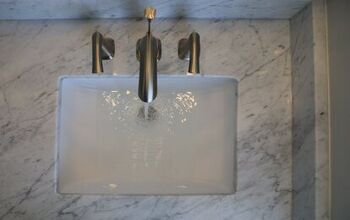
9. Faucet Handles
You should clean and disinfect all your faucet handles frequently. Since you use your sink to wash your hands, you need the faucet handles to be germ-free so your freshly cleaned hands stay that way. Wash all faucet handles at least once a day to reduce the spread of illness.
10. Toilet Handles
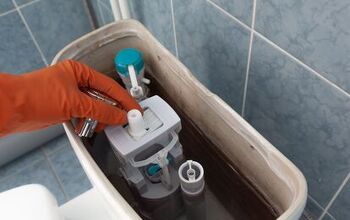
Your toilet is a breeding ground for germs and bacteria. The flush handle is something you use and touch multiple times per day. In the winter, especially when others in the house are ill, you should clean the toilet handle daily. It’s also wise to wipe down the toilet seat.
11. Bedding And Pillow Cases
Since many people spend at least one third of their lives in bed, it should come as no surprise that germs, bacteria, and mites thrive in your sheets and pillow cases. To keep germs to a minimum in the home, wash your bedding weekly throughout the winter. Clean sheets can help reduce the spread of germs, prevent itchy skin, and keep dust mites at bay.
12. Toothbrushes And Brush Holders
Since your toothbrush goes into your mouth at least twice a day, you must keep germs as far away from it as possible. If you keep your toothbrush near someone else's, disinfect the area around it. Wipe surrounding surfaces and the brush holder daily.
It’s also a good idea to dip your toothbrush in simmering hot water at least once a week, and more if someone in the home is sick. This will kill any germs and bacteria on the brush.
13. Throw Pillows
Throw pillows are beneficial because they can add color and comfort, but they can also harbor germs. Many throw pillows have removable covers. You should wash these covers with your throw blankets weekly throughout the winter. If you can't wash the pillow or remove the cover, hand-wash them in the sink regularly and let them dry in the sun.
14. Kitchen Towels And Rags
Kitchen towels and rags are great for drying wet dishes and cleaning surfaces. But during the height of cold and flu season, these items can quickly accumulate germs and bacteria. To prevent your kitchen towels and rags from spreading germs, swap them out with clean ones more frequently than you would in the summer months.
Summing Up Spots In Your Home You Should Disinfect This Winter
Germs are everywhere in the winter, and all sorts of viruses are in full swing when the weather is cold. In addition to keeping your hands clean and maintaining a safe distance from others while in public, you must also ensure your home is as germ-free as possible.
The most important spots in your home to disinfect regularly to reduce the spread of germs include door knobs, light switches, your toilet handle, and refrigerator door. Remember to wash throw blankets, kitchen rags, pillows, and bedding more frequently. You must regularly disinfect your phone, remote control, thermostat, and other frequently touched electronics.
Related Guides:
Tom Gaffey is an expert writer who currently resides in Washington D.C. Tom has a passion for real estate and home improvement writing, as well as travel and lifestyle writing. He lived the last twelve years in Hawaii where he worked closely with luxury resorts and event planners, mastering his knowledge of aesthetics and luxury products. This is where he found his passion for home improvement and a keen interest in DIY projects. Currently, Tom resides in Washington D.C, and also working on his debut fiction novel.
More by Tom Gaffey