
Is A Water Softener Worth It?


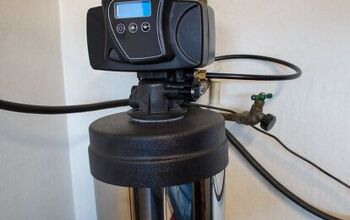
Hard water is common throughout 85% of the United States, and it’s often just a minor inconvenience. However, it can be quite troubling if your home sits near lots of natural calcium, limestone, magnesium, and iron. So, is installing a water softener worth it?
A water softener is worth it if your pipes are clogged with mineral deposits, which can reduce the flow rate and increase your bills. Water softeners also help protect your dishes and clothing from stubborn, chalky residue. You can also help prevent dry skin and hair by installing a water softener.
Whole-house water softeners typically cost $1,500 to install, on average. Follow along as we explore everything you must know before buying a water softener.
Seven Signs You Need A Water Softener
1. Persistent Stains On Dishes
The whole point of washing dishes is to clean them and ensure they look good. This is much harder to accomplish when your home’s water supply is inundated with minerals like magnesium and calcium. That’s because you will likely find chalky stains and residue on your dishes after washing them.
You won’t likely notice this film while washing the dishes, but it becomes apparent when they dry. At first, you may think that you didn’t wash the dishes as well as you could have. However, it’s not your fault that your home’s water supply is overloaded with minerals. Some people treat their hard water-stained dishes with household remedies, such as white vinegar. Unfortunately, that’s only a temporary solution, and it will only remove existing stains. The only way to prevent further hard water stains is to install a water softener.
2. Chalky Plumbing Residue
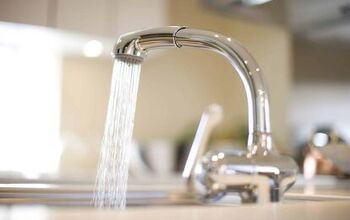
Do you consistently notice white, chalky residue on your faucets at home? If so, it’s likely because there’s too much calcium and magnesium in your home’s water supply. You will likely find chalky residue on your showerheads and faucets if your home has hard water, and it’s more than a cosmetic issue. When left unchecked, it may seem like your faucets or showerheads are clogged with a mysterious substance. This happens when thick chunks of mineral deposits get lodged in your plumbing fixtures. That’s especially true in older homes, where the hard water problem has never been addressed.
Not only is this cosmetically unappealing, but it can also affect the performance of your shower and faucets. This is ultimately one of the biggest signs that you need a water softener. Upon installing a water softener, remove the existing mineral deposits to resolve the issue.
3. Dry Hair And Skin After Showering
Most people expect their hair and skin to feel smooth and tight after a shower. However, that’s unlikely when you take a shower in a home with hard water. Bathing in hard water can result in dry and itchy hair and skin, which may even cause dandruff.
The minerals in the water can even clog your pores and strip your skin and hair of healthy oils that are meant to lubricate your skin and protect your hair, but that’s difficult when bathing in hard water. This oil, known as sebum, helps keep your skin hydrated and healthy. Not only does hard water dry out your hair and skin, but it can also leave behind a gross film. This residue isn’t necessarily harmful, but it can make your hair brittle. It’s worth installing a water softener if you consistently struggle with this problem.
4. Your Water Pressure Suffers
Everybody dreads water pressure issues, especially when it’s time to take a shower. Sadly, this problem is largely unavoidable if you consistently struggle with hard water at home. Mineral deposits can easily accumulate in your pipes, restricting the water pressure.
This limescale will reduce the flow rate and make your shower and sink faucets less efficient. Not only is this inconvenient, but it can also lead to unexpectedly expensive bills. That’s because your plumbing fixtures must work harder to deliver water, and you may take longer showers. Long showers can quickly increase your water and gas bills, especially during the winter. Installing a water softener can prevent this problem from worsening. Once you’ve done this, it’s worth snaking your pipes to remove limescale clumps to improve the flow rate.
5. Your Clothes Lose Their Sheen
Most people expect their clothes to fade over time, as that’s what happens after years of washing them. However, clothes can fade much faster when they’re consistently exposed to hard water. That’s because the minerals in your water supply can break the clothing fibers down and stick to your detergent.
Not only does this fade your clothes, but it can also make them feel scratchy and uncomfortable. You may also notice that your clothes feel firmer than they should. That’s because hard water can trap the soap scum within the fabric. If there’s too much iron in the water supply, you may eventually notice yellow and brown stains. A water softener is worth it if you want to keep your clothes looking vibrant and feeling comfortable.
6. Diminished Appliance Performance
Hard water is bad for any appliance or device that uses water. This is equally true for dishwashers and washing machines as it is for a coffee maker. The longer you run hard water through these devices, the more likely they are to clog due to mineral deposits.
You may notice chalky spots and limescale patches before discovering functional problems. If chalky spots appear on the walls and floor in your dishwasher, you know they'll also appear in the pipes. Hard water is also bad for your water heater, and it may use up to 29% more energy than it should. Your dishwasher and washing machine must also work harder than they should. This can ultimately shorten the lifespan of these appliances. That alone makes water softeners worthwhile.
7. Your Water Tastes Bad
Hard water is one of the most common reasons why some neighborhoods and cities are known for having strange-tasting water. That’s especially true if your water has a high iron content, which can produce a metallic taste. Sodium naturally tastes salty, while magnesium is bitter, but calcium tastes relatively good. The problem is that these strange, conflicting tastes and smells will mix. Some people don’t care how their water tastes, and that’s okay, but upgrading to a water softener will fix the issue.
Is It Safe To Drink Hard Water?
Drinking hard water is safe, despite the often strange taste and smell. After all, hard water contains minerals that many people don’t even get enough of from their diet. Such minerals affect bone health and muscle function, but that doesn’t mean hard water is good for you.
If anything, hard water is unremarkable, as it doesn’t carry huge health benefits, but there’s no need to worry about it. The big issue with hard water is that it can stain your dishes, clog your pipes, and leave a residue on your hair and skin. These issues shouldn’t harm you, but they are inconvenient.
Summing It Up
A water softener is a worthy investment if you’re tired of stains on your dishes and faucets. That’s especially true if your water pressure seems weaker due to the restricted flow rate. Installing a water softener can help keep your clothes vibrant and prevent dry skin after showering.
Related Guides:
Nick Durante is a professional writer with a primary focus on home improvement. When he is not writing about home improvement or taking on projects around the house, he likes to read and create art. He is always looking towards the newest trends in home improvement.
More by Nick Durante