
Eight Signs Your Boiler Needs Replacing


Anyone with a boiler knows that repairs can be quite expensive, especially if you don’t keep up with maintenance. However, sometimes, repairs are out of the question, and you’re better off replacing the unit. That’s especially true if you notice one of many signs that indicate it's time to replace your boiler.
You should replace your boiler if it's 15 years old or older and needs repairs, as it will go probbly fail completely within 5 years anyway. It’s also important to consider replacing your boiler if the necessary repairs cost 50% of the cost of a new boiler. Reduced efficiency, increased bills, and inconsistent temperatures can indicate that your boiler needs replacing.
That said, it’s always worth getting a second opinion from an experienced HVAC technician. Follow along as we highlight eight signs that you need to replace your boiler.
Eight Signs That Signal You Need To Replace Your Boiler
Sometimes, it’s tough to tell if your boiler needs repairs or if you should replace it altogether. However, the deciion is easier if you notice several key signs that your boiler has gone bad, including:
1. The Boiler Is Old
Like anything else, a boiler becomes less reliable and more inefficient with age. A healthy, well-maintained boiler can last around 15 years, but factors like brand and usage habits affect lifespan. That said, a boiler can go bad in as little as 10 years or last up to 20 years under the best circumstances.
It’s a good idea to keep track of how old your boiler is at all times, so you can easily tell when something is going wrong. That’s because it’s better to replace a 15-year-old boiler than to spend a fortune repairing it. Otherwise, you could waste money on repairs and then end up replacing the boiler in five years or less anyway. When buying a house, it’s important to find out how old each appliance and fixture is, including the boiler. That way, you’ll have an idea of how long you can expect it to last. This can also help you establish a maintenance schedule.
2. It’s Heavily Corroded
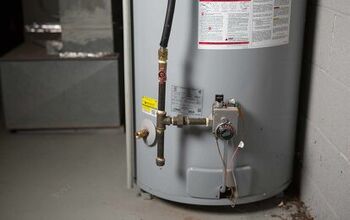
Like many other parts of your HVAC system, boilers are prone to corrosion. If you see corrosion on the outside parts of your boiler, like the connected pipes, you can assume the inside is corroded. The combination of oxygen and consistent moisture is what causes this corrosion.
Corrosion is much more likely to occur if you don’t take care of your boiler. For example, you’re supposed to treat the water in a boiler to maintain alkalinity. If you don’t do this, the boiler will likely become corroded and experience many other problems. The boiler will likely leak if it’s heavily corroded, or it will at least become inefficient. The best option is to replace a boiler if it’s heavily corroded. Otherwise, it will randomly fail and potentially cause serious water damage to your home.
3. Your Bills Increase
Unexpected energy bill spikes often relate to worn, damaged, and outdated HVAC equipment. That includes a faulty boiler, as it runs inefficiently when it's old and damaged. Short-cycling is a common problem with faulty boilers, and it can significantly increase your bills.
When short-cycling, your boiler will run briefly, shut off, then run again in short cycles. Not only does this increase your bills, but it can also further strain the boiler, shortening its lifespan. Older boilers also typically have worn equipment, such as the pumps and motors, which must work harder. In some cases, minor repairs can help get your energy bills back on track. However, that’s not typically the case if your boiler is already around 10 years old or older and it’s visibly worn.
4. Repairs Become More Frequent
Repairing a boiler every few years is relatively normal and shouldn’t be too much of a concern. For example, you may need to spend $350 to replace a fan, and that’s okay. However, if you replaced the fan last year, then replace the pump and expansion tank the next year, you should worry.
You shouldn’t need to replace a part every year, let alone multiple parts in the same year. Eventually, the cost of repairs will outweigh the benefits, and you should consider replacing your boiler. After all, you won’t likely need to repair a new boiler for a few years if you take care of it. If the cost to repair a boiler totals 50% of the cost of a new one, you should replace it. That way, you can put the money toward a new boiler instead of wasting money on repairs that won’t last long.
5. You Notice A Yellow Flame
A healthy boiler should have a blue flame, and that’s what most people are used to. However, you should be concerned if you notice a yellow flame. That’s especially true if the yellow flame moves around and “dances”, which is a sign of serious problems.
Specifically, a yellow flame can indicate incomplete combustion, which can produce carbon monoxide, which is quite toxic, and prolonged exposure can be deadly. It’s important to routinely change the batteries in your carbon monoxide detector for this reason. Incomplete combustion can occur due to a clogged air intake or heat exchanger damage. Shut your boiler off right away and call an HVAC service if you notice a yellow flame. Depending on the boiler’s age, it may need replacing.
6. The Boiler Is Cracked
Many people can’t fathom a cracked boiler, but it can happen and cause serious problems. The biggest issue is that a boiler will leak and cause some extensive water damage. As if repairing water damage wasn’t expensive enough, you must also likely replace your boiler.
Cracks can form due to thermal shock, when warm water reacts with a cold boiler, or vice versa. A boiler can also crack when the water runs low, as this can overheat the metal. Otherwise, cracks typically form due to mineral deposits and rapid pressure fluctuations. A boiler is more likely to crack if it’s older, especially if it is more than 10 years old. If a newer boiler cracks, it’s likely because of poor maintenance and improper installation. You must replace a cracked boiler right away to avoid further issues.
7. Replacement Parts Are Discontinued
You can only replace boiler parts if they are still available on the market. Sadly, that’s not always the case for older boilers, as modern versions are often simpler and require different parts. Because of that, you may not be able to find the part that you need to replace. In that case, you’re essentially out of luck unless you can find a secondhand part somewhere online. However, that’s unlikely, and it's worth replacing your boiler if the necessary replacement parts are unavailable.
8. Inconsistent Temperatures
Many people rely on boilers to maintain comfortable water and air temperatures throughout their homes. Unfortunately, boilers can’t do so as reliably when they get older and outdated. For example, one room may feel warm and uncomfortable, while another is less so. Similarly, you may take a warm shower one day, then experience a cold, miserable shower the next. This is likely a case of a poorly functioning boiler that’s past its prime. Such problems are sometimes repairable, especially if your boiler is under 10-12 years old, however, it’s worth enlisting professional help from an HVAC technician. They will either repair the problem or recommend replacing your boiler.
Summing It Up
It’s time to replace your boiler if the necessary repairs total 50% the cost of a new unit. It’s also a good idea to replace your boiler if it’s cracked or heavily corroded. Shut your boiler off right away and call an emergency HVAC line if you notice a yellow flame. This can indicate that carbon monoxide may be present and that your boiler needs replacing.
Related Guides:
Nick Durante is a professional writer with a primary focus on home improvement. When he is not writing about home improvement or taking on projects around the house, he likes to read and create art. He is always looking towards the newest trends in home improvement.
More by Nick Durante