

The Benefits Of Mulch


Seasoned gardeners understand how important mulch is, but many still don’t realize all its benefits. Mulch looks and smells great, but that has nothing to do with how it helps your plants. Mulch boasts many key benefits that can reduce the need for garden damage control.
The main benefit of mulch is that it insulates your soil and protects it from extreme temperatures and soil erosion. Organic mulch infuses soil with key nutrients, such as nitrogen and potassium, as it breaks down over time. It can also help regulate soil temperature, suppress weeds, and protect plant roots.
Not all mulch is made the same, so be careful when buying it. Look for organic mulch that contains plenty of wood chips and shredded bark. Follow along as we explore the many benefits of mulch and how it affects your garden.
How Does Mulch Help Plants?
1. Suppresses Weeds
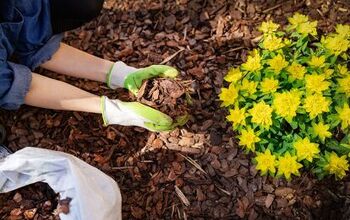
Gardeners look forward to their plants thriving during the spring and summer, until weeds show up. Weeds not only look bad, but they can also kill the plants you worked so hard to grow. You can suppress weeds without using commercial weed killers by putting mulch in your soil beds. This creates a physical barrier and blocks the sunlight. The key is to apply 3” to 4” of mulch to stop sunlight from helping weed seeds germinate.
Don't pack the mulch too tightly, or you may also deprive your other plants of sunlight. Some weeds may still pop through the thick layer of mulch on your soil, but if applied correctly, the soil under the mulch will be loose enough so that you can easily pull weeds out. However, you won’t have to pull nearly as many weeds if you apply mulch once a year.
2. Retains Soil Moisture
Moisture retention is just as important as soil acidity and nutrient availability. If your plants dry out too quickly, you will likely continue to struggle with moisture loss in the soil until you apply mulch in your garden. Mulch protects soil from many things, including intense heat and direct sunlight. Sunlight will still hit your plants and help them grow, but a layer of mulch will ensure that the soil doesn’t totally dry out on hot days.
Mulch will reduce how quickly water evaporates from the earth, which is especially useful if you work long hours and can’t easily water your plants until later in the day. Mulch that contains shredded leaves, bark, straw, and grass clippings is especially useful.
3. Prevents Soil Erosion
Soil erosion can be devastating, and it’s a problem that won’t go away on its own. That’s especially true if you live in a wet, rainy, and snowy climate where your lawn and garden take a beating. Mulch can’t necessarily fix eroded soil, but it can prevent it from happening. That’s largely because a thick layer of mulch can stop water from quickly rushing through the soil and washing it away. The water will still flow into the soil, but it won’t happen as quickly as it would if your soil were laying open to the elements.
During heavy rain, the mulch’s surface may get slightly disturbed, but the soil beneath it should remain intact. Look for organic mulch that contains shredded hardwood, wood chips, and pine bark. These ingredients have the perfect texture to hold water at bay, preventing it from flowing into the soil beneath. The last thing you want to do is lose nutrient-rich topsoil through erosion.
4. Infuses Nutrients
Plants need sunlight and water to survive. While sunlight and water keep plants alive, nutrients will help them thrive. Plants need nitrogen, potassium, phosphorus, magnesium, sulfur, and calcium. Organic mulch contains many organic, nutrient-dense materials that will eventually decompose. The mulch will slowly break down from the day you apply it until the day you replace it. However, that’s only the case if you use organic mulch instead of artificial mulch, which can harm soil, especially when it contains rubber and other synthetic materials. You can further fortify organic mulch by mixing it with compost. That’s especially true if the compost has a perfect ratio of carbon and nitrogen-rich ingredients.
5. Regulates Soil Temperature
Soil temperature is more important than many people realize. It affects everything from nutrient uptake and availability to plant development and seed germination. Overly hot soil can damage roots and cause moisture loss, while overly cool soil can impair drainage and limit nutrient uptake. The best way to regulate soil temperature is to apply mulch throughout your yard and garden. Mulch helps prevent soil from overheating during the summer and keeps it warm during the fall and winter.
This is especially important if you live on the East Coast or in the Midwest. Applying mulch can help ensure your perennials come back each year. The last thing you want is for the roots of dormant plants to freeze and rot during the winter. Mulch is the only year-round soil temperature regulator you can find.
6. Maintains Perfect Soil Consistency
Anyone who has lived on several different properties can tell you about how soil consistency can vary. It can also change from season to season if you live in the same house your entire life. Even the fluffiest soil beds can become hard and compacted if you don’t protect them with mulch, which is a protective barrier against heavy foot traffic and weight.
It protects against soil compaction in many ways, starting with the cushion it provides. You can walk on a mulched garden bed without affecting the soil beneath it. Soil erosion can also contribute to compaction, but that’s less of a factor with mulch. Mulch naturally helps aerate soil due to the microbes that thrive in it. That alone can help prevent the earth from getting hard and keep your garden healthy year-round.
7. Protects Against Disease
Soil-borne diseases can wreak havoc on a garden, especially on a windy and rainy day. That’s because the pathogens in the soil can easily splash onto the above-ground leaves and stems, then spread. Mulch doesn’t necessarily prevent this from happening, but it can help stop it from spreading. In that sense, mulch acts like a splash guard. Because it helps aid plant durability, they can also become more resilient to soil-borne diseases.
That’s especially true if you stick with it and replace the mulch each year. Your perennials will grow more resilient due to the constant nutrient exposure. That said, you must be careful not to apply mulch too thick near tree trunks. Doing so can increase the risk of fungal pathogens forming and thriving.
8. Brings Perennials Back
The only way to make sure perennials come back is to protect them during the dormant season. You must also support them throughout the spring and summer, but perennials won’t come back if they suffer during the winter. Mulch protects plants as much during the winter as it does during the spring and summer.
It will insulate plants during the fall and winter, so the freezing temperatures don’t shock the roots. It also helps keep snow and cold rain at bay during the winter. Replace the mulch during the early spring to help prepare your plants for the warm weather.
How Long Does Mulch Last?
Mulch typically lasts 1 to 2 years, but it depends on many factors. Some people wait over 3 years to replace mulch, which is fine, but it won’t be as effective. Mulch decomposes for up to 6 years, so it will continually infuse your soil with nutrients. However, it won’t protect it as well from erosion and compaction after the first 1 to 2 years. You can still repurpose old mulch and put it in your compost bin. Replace mulch each spring or every other spring for the best results.
Summing It Up
Mulch suppresses weeds, prevents soil erosion, and infuses soil with key nutrients. It also helps regulate soil temperature, which protects plant roots during the summer and winter. Apply mulch if you have lots of perennials and want them to come back year after year.
Related Guides:
Nick Durante is a professional writer with a primary focus on home improvement. When he is not writing about home improvement or taking on projects around the house, he likes to read and create art. He is always looking towards the newest trends in home improvement.
More by Nick Durante