

Your Spring Home Safety Checklist


Spring is a season for letting in fresh air and performing essential cleaning tasks. The concept of spring cleaning is something most people embrace, but safety is equally important. As you transition your home from winter to summer mode, there are several inspections you should perform to ensure your house is as safe to live in as possible.
Test smoke and carbon monoxide detectors every spring, and replace batteries as needed. Audit and replenish your first aid kit, and check that your fire extinguisher is in working condition. Maintain your HVAC system, clean the dryer vent, and tidy the area surrounding your furnace. Inspect your home’s roof, check the foundation for vulnerabilities, mold and leaking pipes.
Once the weather improves, it’s very tempting to spend all your time outside. While gardening and enjoying your outdoor spaces are among the many pleasures of spring and summer, it's important to make sure your home is safe and functioning optimally throughout the warmer months. Keep reading to learn all the ways to inspect and clean your home to ensure it’s safe this spring.
Your Complete Spring Home Safety Checklist
1. Test Smoke And Carbon Monoxide Detectors
Smoke alarms and carbon monoxide detectors are among the most important safety devices in your home. Both of these alarms can save your life in an emergency. Every spring, test and inspect your smoke and carbon monoxide detectors to ensure they are fully functional. Replace the batteries regularly.
2. Inspect And Replenish Your First Aid Kit
Every home needs a first aid kit. Accidents happen and you should have the right medical products to treat burns, cuts, and ilnesses, even if you plan to head to the emergency room immediately afterward. Each spring, take an inventory of your first-aid kit and replace any products you’ve used in the last year. Check the expiration dates of medications and other perishable products and replace them as needed.
3. Check Your Home’s Foundation
A long and frigid winter can damage even the strongest home foundation. Fluctuating temperatures and ice can create small, but noticeable cracks in your home’s foundation. Each spring, walk along the edge of your home and look for any issues. Look in the basement, if you have one and check for leaks, discoloration, and cracks. Repair any small issues. If you see a problem that looks concerning, consult an expert. The sooner you address problems with your home’s foundation, the better.
4. HVAC Maintenance
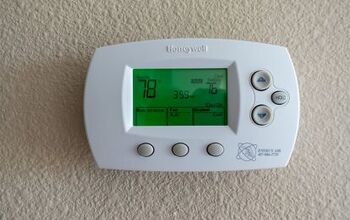
Another way to keep your home safe this spring is to service the HVAC system. After a long winter, the HVAC system needs a thorough inspection. Spring is the perfect time to check and maintain it and ensure it functions optimally during the peak summer months. This not only helps you save money on your electric bill but also prevents serious issues and keeps your system from breaking down during hot days and nights.
5. Look For Leaky Pipes
Plumbing is another aspect of your home that requires attention after a long winter. Temperature fluctuations can cause pipes to crack or loosen. Check all your pipes for cracks or vulnerabilities. Repair small leaks immediately, and seek professional help when you notice more advanced problems. Leaky pipes can cause mold and rot, which can harm your health and damage your home.
6. Check Drier Vents
Everyone lucky enough to own a washer and dryer must remember that these machines require regular maintenance. To ensure your dryer functions properly and doesn't catch on fire or overheat, check the vents every spring. You likely use your dryer a lot in the winter, since it’s harder to line-dry clothes, and there are more bulky items that need laundering. Lint can build up in vents and over time, can create a serious fire hazard. Cleaning the vents keeps your fire risk low and keeps your machine functioning smoothly.
7. Confirm Fire Extinguishers Work
Every home should have at least one fire extinguisher. These safety devices can save lives and your home in the event of a fire, especially an electrical fire, when spraying water does more harm than good. Have your fire extinguisher checked by a professional once a year to ensure it’s still in working order. Choose spring as the season to maintain this potentially life-saving device.
8. Check For Mold
Homes are sealed tight in the winter to trap heat, but it can also trap moisture. Many homes are susceptible to mold and mildew in the winter if it lacks proper ventilation. Look for mold and mildew warning signs, especially under sinks, in your basement, and in your bathroom. You can also rent a mold detector to detect mold in your walls.
9. Perform A Roof Inspection
Another part of your home to check for safety issues each spring is the roof. You should clean your gutters and inspect the roof as soon as spring arrives. Winter can cause damage with ice, heavy snow, and debris. Remove branches and debris, and look for missing or cracked shingles. Ensure there are no damaged roof sections, as even a small issue can cause significant damage to your home.
10. Trim Nearby Trees
Spring is a great time to trim your trees, especially branches that are growing dangerously close to your home. Trim any dead branches and anything overgrown. You don’t want any large branches hitting your home. Fallen branches can damage the roof and windows, and even injure you or your loved ones.
11. Maintain And Replace Window Screens
Window screens keep out all sorts of unwanted pests, from mosquitoes to rats. Many of these pests carry harmful diseases. Each spring, inspect your window screens. If you notice any holes, patch them up promptly. You should not leave your windows or doors open until you confirm all your window screens are in working order.
12. Schedule A Chimney Inspection
If you used your fireplace throughout the winter, then you should have your chimney checked in the spring. Chimneys get very dirty over time, and some of this buildup is smelly and potentially flammable. You should have your chimney professionally cleaned in the spring to remove any buildup. This reduces the risk of fire and can also improve air quality in your home.
13. Clean The Area Around The Furnace
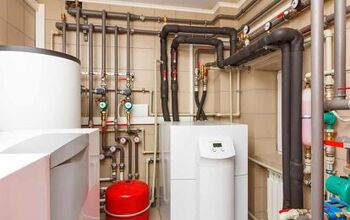
Each spring, give your furnace some attention, especially if it’s connected to your air conditioning. Remove any dirt and debris around the furnace, and inspect it for damage. Change filters and perform maintenance as needed.
Cleaning and maintaining the furnace in the spring ensures it will function optimally throughout the summer.
14. Perform Necessary Pest Control
Pests return with a vengeance every spring. As you check your home for safety issues, look for signs of pest. Not only are insect infestations unpleasant, but they can also pose health risks, especially if they attack your pantry and food supply. Eliminating pests quickly in the spring means your home will be pest-free throughout the year.
Summing Up Your Spring Home Safety Checklist
In addition to performing a deep clean in your home each spring, you should also take the time to ensure it is safe and secure. After winter ends, check your home’s foundation and roof for vulnerabilities, test carbon monoxide and smoke detectors, and trim trees that are growing close to your home. Hire a professional to clean and inspect the chimney, and ensure your fire extinguisher functions flawlessly.
Replenish your first aid kit, clean the dryer vent, and tidy up the area around your furnace. Repair and maintain your window screens and address any pest control issues immediately. Check for mold and make sure you have no leaking pipes.
Related Issues:
- Outdoor Items To Inspect And Repair This Spring
- Greenhouse Maintenance Checklist
- Why Does Your Central Air Have Two Filters?
Tom Gaffey is an expert writer who currently resides in Washington D.C. Tom has a passion for real estate and home improvement writing, as well as travel and lifestyle writing. He lived the last twelve years in Hawaii where he worked closely with luxury resorts and event planners, mastering his knowledge of aesthetics and luxury products. This is where he found his passion for home improvement and a keen interest in DIY projects. Currently, Tom resides in Washington D.C, and also working on his debut fiction novel.
More by Tom Gaffey