
Where To Put A Hygrometer?


Everyone knows how the air conditioner or furnace affects their homes, but not everyone thinks about humidity. Relative humidity affects everything from your breathing and skin health to the pests, mold, and mildew you find at home. That’s why everyone can benefit from buying a hygrometer to monitor the moisture levels in their home.
Ideally, you should place a hygrometer in areas with excessive moisture, such as the basement or attic. It’s also a good idea to put a hygrometer in your indoor plant room, especially if you have dense clusters of plants. Many people keep a hygrometer in their bedroom, as high humidity can contribute to dust mites, which can make home life uncomfortable.
The number of hygrometers you need ultimately depends on the size of your home, but most people only need one. These measuring devices cover up to 1,000 square feet, which is more than enough for many people. Follow along as we explore where to put a hygrometer and its many benefits.
Where To Put A Hygrometer
Place a hygrometer in any room where you’re concerned about excessive humidity. There is no right or wrong choice, as long as you properly calibrate and routinely check it. However, there are benefits to putting a hygrometer in a few key places, such as:
Indoor Plant Room
As much as you love your houseplants, you may not be prepared for how much they increase a room’s relative humidity, which occurs through a process called evapotranspiration, where they release moisture through their leaves. This isn’t a big deal with a few houseplants, but a large indoor garden can significantly boost the room’s moisture levels. It's a good idea to put a hygrometer in this room, since high humidity increases the risk of mold and mildew.
Bedroom
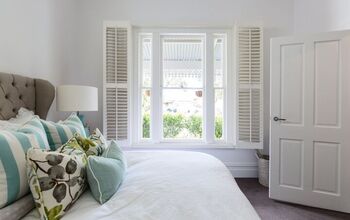
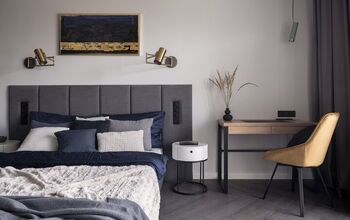
You may not immediately think of the bedrooms as a hot spot for mold, but it can be. Excessive humidity in your bedroom can increase the risk of mold, disrupt your sleep schedule and can contribute to pest infestations, including dust mites and silverfish. Mounting a hygrometer on your wall will monitor the relative humidity in your bedroom. Place it away from the sunlight to ensure the heat won’t disrupt the readings. Maintain 35% to 45% humidity to reduce the risk of a dust mite infestation.
Greenhouse
If you have a greenhouse, you already know how important humidity is. However, you can’t simply trust your gut and assume that the relative humidity in your greenhouse is at the proper level. Place a hygrometer somewhere in the middle of your greenhouse for the best results. You most likely only need one, especially if you have a backyard greenhouse, which isn't as big as a commercial one that would need multiple hygrometers. Don’t place the hygrometer higher than 5 feet, or else you may receive inaccurate readings.
Basement/Attic
Many people deal with mold and mildew in their basement and attic. Hot and cold air often mix in these areas, which can contribute to excessive humidity and condensation. It’s worth putting a hygrometer in your basement and attic. Excessive humidity has serious structural implications, especially in old houses. That’s why it’s important to monitor basement and attic humidity, as warped structural beams are dangerous. Keep track of the readings and adjust the humidity with a dehumidifier as needed.
Who Needs A Hygrometer?
Anyone who wants to monitor their home’s indoor humidity can benefit from using a hygrometer. It's useful for homeowners, musicians, plant enthusiasts, cigar aficionados and especially for anyone with allergies and respiratory problems, like COPD and asthma.
Hygrometers are popular with musicians and cigar enthusiasts, as relative humidity can significantly affect instruments and cigars. For example, many cigar smokers store their cigars at 65% to 68% relative humidity. Similarly, you can use the device to ensure your indoor plants sit in 40% to 60% relative humidity. At the end of the day, everyone can benefit from understanding their home’s relative humidity and adjusting it accordingly.
How Many Hygrometers Do I Need?
Depending on your home’s size and your indoor humidity concerns, you may need up to 3 hygrometers. One is enough for a small house or apartment, in most cases. Some hygrometers can detect the humidity in up to 1,000 square feet of space. However, many factors, such as ventilation and structural obstacles, can limit its range. You can more accurate readings by using several hygrometers. For example, place one hygrometer in your living room, one in the bathroom, and one in the bedroom. The readings will tell you which rooms need more attention.
How To Tell If A Hygrometer Is Accurate
The “salt test” is the most tried-and-true way to calibrate a hygrometer. Gather a small cup, some table salt, a plastic food container, a plastic bag, and distilled water. Measure one tablespoon of salt and pour it into the cup. Slowly add a few drops of water to create a pasty consistency without dissolving the salt. Put the cup into a plastic food container or a resealable bag, add the hygrometer, and seal the bag or container. Move it out of the sunlight and keep it at room temperature for 12 to 24 hours. If the hygrometer reads 75% humidity after 12 to 24 hours, it's been successfully calibrated.
Is 70% Humidity Too High For A House?
Seventy percent humidity is too high for a house, and it can contribute to mold and mildew. The ideal indoor humidity is between 30% to 50%, so you should always aim for that range. Mold can easily grow when indoor humidity reaches 50% to 60%. Homeowners with asthma must also be careful about excessive humidity, as 60% to 70% humidity can contribute to dust mites and 70% humidity can also damage paint, wallpaper, flooring, furniture, and contribute to structural damage.
High humidity causes wood rot, which can impact your home’s structural beams. Even without these problems, many people consider 70% humidity to be uncomfortable. Humid air often feels heavy, sticky, and warmer than the ambient room temperature. A hygrometer will let you identify and address overly humid hot spots to make your home more liveble.
Summing It Up
Bedrooms, family rooms, living rooms, and indoor plant rooms are great places to put a hygrometer. You only need one hygrometer at home if you live in a small house or apartment, as it can cover a large area. If your hygrometer shows that the relative humidity exceeds 50%, you should run a dehumidifier to correct the issue.
Related Guides:
Nick Durante is a professional writer with a primary focus on home improvement. When he is not writing about home improvement or taking on projects around the house, he likes to read and create art. He is always looking towards the newest trends in home improvement.
More by Nick Durante












![12 Washing Machine Brands to Avoid [with Recall Data]](https://cdn-fastly.upgradedhome.com/media/2023/07/31/9075781/12-washing-machine-brands-to-avoid-with-recall-data.jpg?size=350x220)