

How To Make Shared Spaces Work Better For Families

Even if you love your family, it doesn’t mean you want to be around them 24/7, but you can’t always escape to your bedroom. Inevitably, you end up in the living room at the same time, or perhaps your kids share a room. These spaces can make things tricky, but if you know how to set them up properly, you can alleviate a lot of stress.
Assess how everyone uses a space to set it up effectively. Clear boundaries, a schedule, and well-defined zones help a shared room work smoothly for everyone. Keep larger elements neutral and incorporate individual styles through smaller items, like decor and accent furniture. Implement effective storage and organization to keep the space tidy for others.
Designing shared spaces to everyone's satisfaction means you’re being proactive against future arguments, stress, and hassles. Of course, it doesn’t mean everything is going to be rosy every second, but you’ll certainly reduce conflict in the long run.
Tips To Maximize Shared Spaces
Most homes have at least one shared space, whether it’s a living room, kitchen, dining area, or even a bathroom. For many families, the home office is located in the kitchen or dining room. You may also have to occasionally use a family room as a guest room. So, what do you do when it’s time to prepare dinner, but your spouse has paperwork spread across the island?
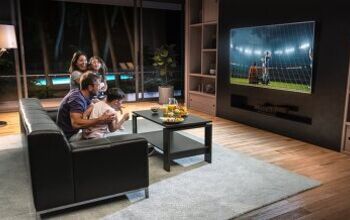
Or what happens when you’re ready to kick back and watch TV, but your kids are trying to do homework at the desk in the den? When you’re sharing a room with others, it’s important to design the space around how you actually live in it. These tips will help you create shared spaces that work for everyone.
Read The Room
The first thing you need to do when making a space work for you is to understand its purpose. At face value, the family room might be where you hang out or watch television. However, take a moment to observe and assess how everyone in the home actually uses the space. For example, it might be the go-to room for watching TV, but it might also be where the kids do homework after school. If you do a lot of work from home, you might even have a desk set up in the corner.
It could also be where everyone gathers to play games or entertain guests. Figure out who uses the room for what and when, so you can develop an effective design and plan for it. Make sure to base the design on what you observe and not just what you assume. Often, people think they’ll use a room for one thing and end up using it for something else. A spare room you plan to use as a guest room may end up as a dedicated home office. Wait until you have a clear idea of how you will use the different shared spaces in your home before deciding on the ultimate design.
Create Zones That Make Sense
Most shared spaces don’t just do one thing. Creating zones is key to maintaining clarity and efficiency and to organizing physical items. If you use the dining room for homework, keep supplies in a specific drawer or shelving unit so they don’t overtake other areas.
You can use the furniture arrangement, rugs, curtains, and freestanding screens to define and separate areas within a single space. For zones with some overlap (e.g., a table for games and homework), make sure to keep the items in separate storage containers. Put games in one cabinet and homework supplies in a caddy.
Keep Larger Elements Neutral
Even though you share a space with others, it doesn’t mean you share the same style. To keep everyone happy and feeling at home, keep larger areas neutral. Things like the wall color, flooring, and larger furniture should appeal to everyone. Neutrals are a good pick because they create a blank canvas on which to layer other styles.
Incorporate Everyone’s Style In Subtle Ways
Give everyone a little bit of say in how to design smaller elements in the room, such as light fixtures, accent chairs, and decor. These are excellent ways to incorporate each person’s style without any one preference taking over the room.
If you love a more vintage vibe, but your partner is modern all the way, in the living room, stick with warm neutrals on the walls and floors. Your partner chooses a sleek, leather chair for the corner, and you pair it with a funky retro footstool in a vibrant orange.
Make Sure Everyone Agrees On A Schedule
In many cases, people may want to use a shared space at the same time, which doesn’t always work out. If you need to finish an important work presentation but your kids want to watch a movie, it’s not a good mix. It can be helpful to set specific times for certain activities in shared spaces. The living room can be open for TV between 4 pm and 6 pm, and then again between 8 pm and 9 pm.
Otherwise, the in-between times are quiet hours. This doesn’t mean people can’t be in the space at the same time, but they do need to opt for something more low-key, such as reading or drawing. Then, you can get some work done while your partner or kids enjoy some quiet time.
Set Times for “Me” And “We” Activities
When you want the room to yourself, set clear boundaries about when it is off limits to others. For example, the kids don’t have to go to bed until 9 pm, but they need to be in their rooms by 8 pm. This is because after 8 pm, the living room becomes your and your partner’s space.
You can also do this with multiple kids if they need individual space to complete homework. One child might get access to the homework area from 4 pm to 5 pm. Then, they go play outside or in their room while their sibling uses the homework space from 5 pm to 6 pm.
Stay Organized And Leave Spaces Clutter-Free
Proper and effective organization and storage are essential in shared spaces. Have set places for everything, and make sure everyone knows where they are. Also, make it easy to put things away so nobody has an excuse to leave items behind.
Sharing a room requires respect for the space and the people using it. You don’t want to deal with a bunch of stuff in your way when you go into an area, so make sure to leave the room clutter-free for others.
Prioritize Flexibility
Life changes, and what works one day may need to work differently the next. It's a good idea to stick with a design that’s easy to adjust over time if things change, so you don’t need to overhaul the room completely. Select multi-purpose furniture that handles different workloads without taking up extra space. Some examples are storage ottomans, sleeper sofas, and lift-top coffee tables.
Foldaway furniture is also helpful, such as a wall-mounted flip-down desk or even a Murphy bed that features shelving. When you design with flexibility in mind, you make life easier on yourself. Later, when things inevitably change, you can adjust the room with a few small tweaks rather than fighting a limited design plan.
Shared Spaces That Work for Everyone In The Home
Shared spaces function best when you design them with intention. By understanding how your family actually uses a room, you set yourself up for success. Create practical zones, respect individual preferences, establish schedules, and maintain efficient organization. Keep everyone in the loop, and you can make shared areas more comfortable and efficient for everyone.
Of course, no shared space is going to be perfect all the time, but thoughtful planning can help it be just right most of the time. The best design is one that helps you create a harmonious, functional, and enjoyable home that works for every family member.
Related Guides:
- Designing Shared Family Spaces That Work For Adults And Kids
- Is Your Home's Layout Affecting Your Daily Life?
- The Lived-In Look: A Design Choice That Makes Your Home More Inviting

Stacy Randall is a wife, mother, and freelance writer from NOLA that has always had a love for DIY projects, home organization, and making spaces beautiful. Together with her husband, she has been spending the last several years lovingly renovating her grandparent's former home, making it their own and learning a lot about life along the way.
More by Stacy Randall