
Why Is My Electric Bill High When I’m Not Home?


Did you recently leave your home for weeks or even months? If so, you’re likely shocked to find that your electric bill is high even though you weren’t there. So, why is my electric bill high when I’m not home?
Any appliance or device that you leave plugged in will drain power and increase your electric bill when you’re not home. That’s why it’s important to unplug small devices and appliances, like toasters, coffee makers, TVs, and your washer and dryer. Raise the thermostat by up to 7-10 degrees before a summer vacation to reduce your electric bill.
It’s also a great idea to replace a dirty air filter to ensure the AC doesn’t strain while you’re gone. Follow along as we explore why your electric bill is so high when you’re not home.
Why Is My Power Bill So High When I Haven’t Been Home?
1. Summer Energy Rates
First and foremost, in most places, electric bills are automatically higher during the summer. This may be hard to accept, but power companies take advantage of the fact that everyone must use more power during the summer. That can explain why your electric bill is high even when you’re not home for an extended period. This will ultimately make everything you do at home more expensive, if it requires electricity.
That also applies to everything that’s plugged in at home, even when you’re on vacation. “Phantom load”, also known as “vampire power,” isn’t usually expensive, but summer rates make it add up quickly. That’s why it’s a great idea to unplug your TVs, computers, chargers, power strips, and other devices before leaving for vacation. Otherwise, you’ll pay an inflated rate for devices you don’t even use.
2. Water Heater
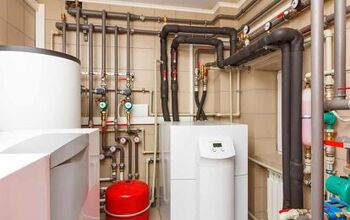
Running a water heater is more expensive than you may think. That’s because it continually runs to ensure you have hot water when you need it. It takes a lot of energy to heat that much water in such a large tank, and that gets expensive. These costs add up no matter what time of year it is, but it’s naturally more expensive during the summer. Old, outdated water heaters become inefficient as they get closer to the end of their lives.
This can take a huge toll on your bills, and at first, you may not even realize that your water heater is to blame. That’s especially true if it isn’t properly insulated. If your water heater is over 10 years old, you may want to replace it before you leave to go away. Not only will it save money, but you’ll come home to an efficient water heater.
3. Air Conditioner/Furnace
Many people know to leave their ACs and furnaces on before leaving town. However, your bill will remain high when you're not home if you don’t adjust the thermostat. That’s why you should increase the temperature by 7-10 degrees before a summer vacation. Your AC will likely run while you’re gone, but it won’t run all the time.
That alone should shave a decent amount of money off your power bill. If you leave town during the winter, make sure your home is warm enough. Otherwise, the pipes may freeze and burst, which will cause thousands of dollars in damage. Pipes will likely freeze if the thermostat is set below 50 degrees.
4. Appliances
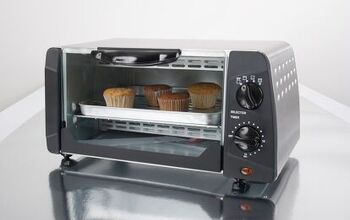
Leaving all your appliances plugged in before a vacation or an extended stay away from home will cost you a small fortune. Before leaving, unplug your small appliances, like a toaster oven, microwave, and coffee maker. Doing so will stop these appliances from draining power, and will reduce your bill.
If you’re going to be gone for months, you should empty the refrigerator and freezer. That way, you can turn the unit off to ensure it doesn’t run constantly. It also helps to unplug the dishwasher, washing machine, and dryer before a long vacation.
5. Dirty Filter
You’ll get a high bill even when raising the AC temperature if your HVAC system is in bad shape. That’s why you must replace the air or furnace filter before going out of town. A dirty filter can restrict airflow, which will force your AC to work much harder than needed. Not only does this lead to high energy bills, but it can also damage your HVAC system.
You’re supposed to replace an air filter every 30-90 days, but many people neglect this. Air filters come in different sizes, so you should inspect the current one before buying a replacement. If you can afford it, it helps to stock up on filters so you can replace them as needed.
6. Clogged Ductwork
As bad as a dirty air filter is, dirty ductwork is worse. These ducts carry air throughout your home, and can get dirty quickly. That’s because they filter and retain pet dander, loose hair, pollen, dirt, dust, and debris. This can severely impact your home’s indoor air quality and strain your HVAC system.
Even worse, you won’t easily feel warm or cool air coming from your vents when the ductwork is dirty. While on vacation, dirty ducts will cause high bills even if you adjust the thermostat. That’s why you must clean your air ducts once every 3 to 5 years to prevent such headaches. You can’t do this yourself without specialized equipment, so you must hire an HVAC service to do it for you.
Should You Shut Off Power Before Vacation?
There’s no need to shut the power off before going on an extended vacation, and it can even be harmful. Doing so will stop your sump pump, HVAC system, and security system from working while you’re gone. Everything in your refrigerator and freezer will also spoil, which is wasteful.
It will take a while for your HVAC system to boot up after turning the breaker off for an extended period. This can make your home quite uncomfortable, whether it’s summer or winter. More importantly, your pipes will likely freeze and burst if you shut the power off during the winter.
Summing It Up
Your electric bill will remain high when you’re not home if you leave your water heater on. Failure to adjust the thermostat can also result in unexpectedly high bills when you’re on vacation. Replace the air filter, clean the air ducts, and unplug unused appliances and devices before leaving for an extended period of time.
Related Guides:
Nick Durante is a professional writer with a primary focus on home improvement. When he is not writing about home improvement or taking on projects around the house, he likes to read and create art. He is always looking towards the newest trends in home improvement.
More by Nick Durante





![10 Best Electric Lawn Mowers - [2022 Reviews & Top Rated Models]](https://cdn-fastly.upgradedhome.com/media/2023/07/31/9070486/10-best-electric-lawn-mowers-2022-reviews-top-rated-models.jpg?size=350x220)
![10 Best Scroll Saws for 2022 [Ultimate Reviews & Buyer's Guide]](https://cdn-fastly.upgradedhome.com/media/2023/07/31/9070684/10-best-scroll-saws-for-2022-ultimate-reviews-buyer-s-guide.jpg?size=350x220)