Home Appliances You Should Never Plug Into A Power Strip


A power strip can be a real lifesaver, especially for those living in homes with limited electrical outlets. These electronic accessories allow you to instantly multiply the number of devices you can plug in at once. While they offer many benefits, they also pose risks. To ensure your home is never in danger of an electrical fire or other serious problem, it's smart to know which items you should never plug into a power strip.
Some devices you should never plug into a power strip include ones that draw a lot of power, including refrigerators, microwaves, air conditioners, and air fryers. Appliances that use sudden bursts of power, including coffee makers, electric kettles, toasters, and hair dryers, should never plug into a power strip. Dehumidifiers and electric power tools should also never be on a power strip. They all should be plugged directly into the wall socket.
If your home has limited electrical outlets, or you simply like the convenience that power strips provide, be aware that these devices have limitations. Below is a list of common household appliances you should never plug into a power strip, as well as factors that determine when you should and shouldn’t plug an appliance into one.
5 Factors That Determine What You Can Plug Into A Power Strip
1. The Amount Of Power The Device Uses
The more power an appliance requires, the more stress it will cause the power strip. The constant need for electricity can cause a power strip to heat up, malfunction, and spark. If your appliance draws a lot of power, plug it directly into the wall to avoid potential issues.
2. Startup Power Needs
You also need to consider how much power the device requires when turned on. A device, like a toaster or tea kettle, might not draw as much power as a refrigerator, but when it’s turned on, it instantly draws a lot of electricity. Any device that that operates like this when turned on should be plugged directly into the wall.
3. How Long You Run The Device
YThink about how long the device will run. Some appliances are rarely in “on” mode, which means they aren’t constantly running and drawing power. Others, such as heaters, dehumidifiers, and refrigerators, use a consistent supply of power when turned on. Never plug a device in a power strip that constantly uses significant amounts of electricity.
4. The Type Of Power Strip
Like all electronic accessories, there are a variety of types of power strips. Low-quality power strips don't stop surges in energy and can easily overheat. More advanced models often include surge protectors and have built-in safeguards that will cut power to prevent overheating and electric shock. It’s a good idea to replace an old power strip with one that that include these safety protections.
5. What Else Is Plugged Into The Power Strip
Another important factor is how many devices are plugged into a single power strip. Each appliance on its own might not be a problem, but five appliances using power from one power strip might cause it to overheat or malfunction.
10 Home Appliances You Should Never Plug Into A Power Strip
1. Refrigerator
This is one device that you should always plug directly into the wall. Your refrigerator is a massive appliance that draws power 24 hours a day. Anytime the compressor turns on, there is a surge in power required to keep your fridge running. This combination makes it very unsafe to plug a refrigerator into a power strip.
2. Electric Kettle And Coffee Maker
Electric kettles and coffee makers might be small, but don’t let their appearance fool you. While they use minimal power when off, once turned on, the consumption surges. When you boil water or make coffee, plug the kettle or coffee maker directly into the wall. The power surge that occurs when water heats can cause a power strip to overheat and malfunction.
3. Hair Dryer
A hair dryer can draw 1,800 watts of electricity when it’s turned on. This massive burst in energy can quickly overwhelm a power strip. A hair dryer is often used in a bathroom and since it is often humid, it’s not a good idea to keep a power strip there.
4. Space Heater
Space heaters have historically been considered rather dangerous devices. They can cause fires, and older machines can emit dangerous levels of carbon monoxide. While newer models are safer, they should still never be plugged into a power strip. They draw a lot of power and often run for many hours at a time. The combination of power needs and length of time they're on creates a recipe for disaster when you plug them into a power strip.
5. Electric Power Tools
While it’s often safe to charge power tool batteries on a modern power strip, never plug a power tool directly into one of these strips and then turn it on. Electric power tools require a lot of energy, and as soon as you start using them, the energy in the strip can surge to unsafe levels and it can overheat and spark.
6. Air Fryer
Air fryers are often considered modern marvels in the realm of cooking. They create delicious, crispy food in record time, with little to no added fat. While there are many benefits to these machines, they draw a lot of power when turned on. To cook food quickly and efficiently, they need upwards of 1,800 watts, which is too much power for most power strips to handle.
7. Microwave
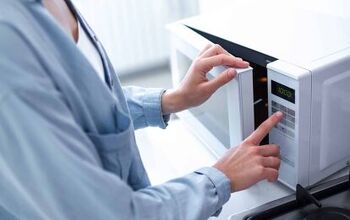
A microwave is another good example of an appliance that uses minimal power when it’s not in use but requires significant wattage when it is. The sudden jump in power every time you press start can cause a power strip to malfunction and, over time, lead to sparks and an electrical fire.
8. Air Conditioner
There are a few home appliances that use more electricity when turned on than an air conditioner. One wall unit can draw upwards of 2.5 kWh per hour, which is why it tends to increase your energy bill throughout the summer. Always plug it directly into the wall, and never plug an air conditioner into a power strip.
9. Toaster
Toasters are another small appliance that uses a deceptively large amount of power when in use. Turning it on can instantly draw 1,500 watts of energy. The sudden surge is too much for many power strips to handle, so plug it directly into a wall socket.
10. Dehumidifier
A dehumidifier has many uses, from reducing the risk of mold and mildew in the home to making a room feel cooler in the summer. To enjoy the its benefits, you need to leave them on, which requires constant high-wattage power. Plug them directly into the wall.
Final Notes On Appliances You Shouldn’t Plug Into A Power Strip
Power strips are very convenient. They are great for charging phones, operating lamps, and other devices that don’t require a ton of power, but there are some appliances you should never plug into them. Refrigerators, air fryers, air conditioners, and space heaters are all appliances that constantly draw significant power and can malfunction or cause an electrical fire when plugged into a power strip. Even smaller appliances, like tea kettles, coffee makers, hair dryers, and toasters, draw a lot of power when turned on and should be plugged directly into a wall socket.
Related Guides:
- Worth It Or Not: Do Power Strips Save Energy?
- The Pros and Cons of Whole House Surge Protectors [Explained]
- How Many Watts Does A Microwave Use?
Tom Gaffey is an expert writer who currently resides in Washington D.C. Tom has a passion for real estate and home improvement writing, as well as travel and lifestyle writing. He lived the last twelve years in Hawaii where he worked closely with luxury resorts and event planners, mastering his knowledge of aesthetics and luxury products. This is where he found his passion for home improvement and a keen interest in DIY projects. Currently, Tom resides in Washington D.C, and also working on his debut fiction novel.
More by Tom Gaffey


![10 Best Cordless Leaf Blowers – [2022 Reviews & Ultimate Guide]](https://cdn-fastly.upgradedhome.com/media/2023/07/31/9070789/10-best-cordless-leaf-blowers-2022-reviews-ultimate-guide.jpg?size=350x220)
![The 10 Best Table Saws - [2022 Reviews & Buyer's Guide]](https://cdn-fastly.upgradedhome.com/media/2023/07/31/9070645/the-10-best-table-saws-2022-reviews-buyer-s-guide.jpg?size=350x220)



![12 Washing Machine Brands to Avoid [with Recall Data]](https://cdn-fastly.upgradedhome.com/media/2023/07/31/9075781/12-washing-machine-brands-to-avoid-with-recall-data.jpg?size=350x220)