
Parts Of Your Home You Need To Winterize


Winterizing is an essential part of fall home maintenance. It helps protect your dwelling from damage, ensures the heating and insulation work properly, and can even lower your energy bills during the cold months ahead. To ensure you don't neglect certain areas, you need to know where to check and what to winterize before the snow and freezing temperatures arrive.
Some of the most important parts of your home to inspect and prepare this fall for the winter include the windows, entryways, HVAC system, roof, attic, and gutters. Protect outdoor faucets and exposed pipes, and store outdoor furniture and equipment in an enclosed space. Bring vulnerable potted plants inside, and test the thermostat, smoke and carbon monoxide detectors.
A major part of every homeowner's fall safety checklist should involve preparing the house for the winter. Whether it's finding the source of a draft or protecting exposed pipes and outdoor tools, there’s a lot to take care of before unforgiving cold weather finds its way to your doorstep. To stay protected when the first cold snap arrives, keep reading to learn what you need to test and winterize this autumn.
14 Areas Inside (And Outside) Your Home To Winterize
1. Inspect, Seal Or Replace Windows
Windows are a structural element of your home that require constant adjustment as seasons shift. In the autumn, you might close and not reopen them for several months. Before it gets bittee cold, you must ensure that every window is sealed tight.
Inspect them and make sure there are no cracks, holes, or gaps where outside air can enter. Check the structural integrity and quality of the windows themselves. Replacing windows is costly, but doing so can save you a significant chunk of change on your monthly energy bill.
2. Test The Thermostat
The thermostat might not see much action in the early fall, as temperatures tend to be mild and pleasant in much of the country. But as soon as temperarures fall, you will need it to work correctly and efficiently. Test your thermostat in the heat setting before your first cold snap.
Confirm it functions and heats to the correct temperature. If you have an old thermostat, you might want to splurge on a smart model, as it helps to heat your home efficiently and often saves you money in the long run.
3. Insulate And Protect Exposed Pipes
If you live in a region where temperatures often dip below freezing, frozen pipes are always a possibility. Exposed metal pipes are particularly vulnerable. If you have metal pipes outside, make sure they're properly insulated. Also insulate any exposed metal pipes in cold areas of your home, especially in your basement, as temperatures can get dangerously low in some unfinished spaces during the dead of winter.
4. Inspect The HVAC System
Scheduled HVAC maintenance is one of the best ways to keep your system running smoothly for many years. It may cost money to have a professional look at the unit, but it is a small price compared to emergency repairs or a brand-new system because of a neglected problem. Fall is a great time to have the system checked to avoid issues in the winter, helping it function flawlessly throughout the cold months when you need it most.
5. Outdoor Faucets And Hoses
As fall progresses, your plants will no longer require regular watering. Once you’re done using the hose for the season, you need to do more than coil it up. Clean and remove all hoses and store them somewhere protected from the weather. Shut off the water supply to outdoor spigots, then drain the pipes. You should also insulate the faucet itself to reduce the risk of the metal cracking and warping.
6. Seal Cracks And Vulnerabilities
Even well-built and sturdy homes develop cracks and become vulnerable over time. The key is to watch for small ones and fill them before they become a bigger issue. Take a close look at the walls and exterior of your home. Look for holes, cracks, and other damage. Seal anything as soon as you notice it. It is easier to use caulk and sealants in mild weather than when temperatures drop below freezing.
7. Insulate And Test The Water Heater
If your water heater is in a cold part of your home, like your basement or garage, make sure it is properly insulated. A well-insulated unit can cut monthly energy costs and keep the heater from working unnecessarily hard. Take the time to flush the sediment from the tank, and consider lowering the temperature. Dropping it by a few degrees can translate to meaningful savings.
8. Reverse Ceiling Fans
A ceiling fan is a cost-effective way to cool your home and encourage healthy airflow. Reversing the direction of the blades can keep your home warmer and more comfortable in the winter. When you do this, it pulls cooler air up instead of pushing it down, so where you sit and sleep feels warmer. You might even be able to lower your thermostat a degree or two after making this easy adjustment.
9. Check Insulation And Leaks In Roof And Attic
Insulation requires attention over time, especially in the attic. It is exposed to the most extreme temperature changes, and is also prone to leaks, which can damage the insulation. Before the winter arrives, check the attic insulation for issues, and add or replace insulation as needed.
Better insulation can keep energy bills low and protect the items you store in your attic. Also inspect your roof for obvious signs of damage. If you see missing shingles or notice potential leaks, make the necessary repairs quickly.
10. Seal Entryways
A lot of heat escapes from your entry doors. While most warm air escapes when you open the door, more is released when the doors aren’t properly winterized. Each fall, inspect them and seal any noticeable gaps. Replace old weatherstripping, and consider adding a door sweep to prevent drafts from coming in from under the door.
11. Store Outdoor Furniture And Tools
Outdoor furniture, tools, and equipment also need to be prepped for the winter. If the furniture lives outside year-round, make sure it's in good condition, and add sealant or paint as needed to protect it. Store tools, heavy equipment, and seasonal furniture in a reliable, covered space. Seal the area to protect it from flooding and pests.
12. Clean And Examine Gutters
Gutters go through a lot throughout the fall and winter. Falling leaves, debris, snow and ice, it's no surprise that many gutters need maintenance and repair in the spring. To keep gutters and downspouts in great condition throughout the winter, clean and maintain them in the fall. When they are clean, melted snow flows freely, and you are less likely to get ice patches on the roof. If you notice any weak or damaged sections, fix them before the first snowfall.
13. Bring Vulnerable Plants Inside
If you have tropical or vulnerable potted plants you want to save, fall is the time to bring them indoors. Find a suitable home in appropriate light, in a location that will help breathe life into the room.
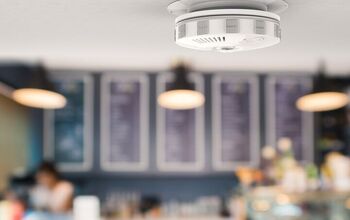
14. Test Smoke And Carbon Monoxide Detectors
While it’s always important to have functional smoke and carbon monoxide detectors, winter often brings the highest risk of smoke- and carbon monoxide-related issues. Cold weather usually means minimal airflow, and with increased use of your stove, oven, and fireplace, indoor air may become unsafe to breathe at times. Testing these devices ensures they are ready to work flawlessly throughout these months.
Summing Up Parts Of Your Home To Winterize This Fall
If you live in a climate with cold, brutal winters, you likely have a long checklist to complete each fall. Make sure winterizing your home is on that list, as it helps keep it safe and intact and can also lower your heating bill. Key ways to winterize your home include insulating windows, exterior doors and vulnerable pipes, and inspecting your HVAC system. Check the thermostat, smoke and carbon monoxide detectors, and inspect the attic’s insulation. Clean and maintain gutters, and seal any cracks in your home before the cold weather arrives.
Related Guides:
- How To Keep Indoor Plants Alive And Thriving In The Winter
- Common HVAC Mistakes To Avoid In The Winter
- Ways To Prepare For The Next Big Winter Storm
Tom Gaffey is an expert writer who currently resides in Washington D.C. Tom has a passion for real estate and home improvement writing, as well as travel and lifestyle writing. He lived the last twelve years in Hawaii where he worked closely with luxury resorts and event planners, mastering his knowledge of aesthetics and luxury products. This is where he found his passion for home improvement and a keen interest in DIY projects. Currently, Tom resides in Washington D.C, and also working on his debut fiction novel.
More by Tom Gaffey


![Finishing Basement Without Permit [Is It Really Illegal?]](https://cdn-fastly.upgradedhome.com/media/2023/07/31/9070078/finishing-basement-without-permit-is-it-really-illegal.jpg?size=350x220)