

Renovations That Often Decrease A Home’s Value


Home renovation projects should make a home look and function better than it did before. Each upgrade should add enjoyment and improve your day-to-day life. Ideally, every renovation should also increase your property value and make your home more appealing to buyers. Unfortunately, some home improvements may actually do the exact opposite.
Some popular home renovations that can decrease your property value include garage and home office conversions, as well as turning two small bedrooms into a larger one. Highly specific or personalized kitchen and bathroom upgrades might turn off buyers, as will high-maintenance and elaborate landscaping. Avoid rushed or sloppy DIY renovations, bold tile colors and patterns, and oversized or gaudy light fixtures.
When you put time, effort, and money into a home improvement project, you want to see results in the future. Every upgrade should increase a home'a value, however, many renovations can actually make it less appealing to many potential buyers, making it harder to sell. To avoid this, keep reading to learn about popular renovations that may decrease your property’s value.
14 Home Renovations That Might Decrease Its Market Value
1. Ultra Modern High-Tech Kitchens
A kitchen remodel can make your home look more expensive and increase its value. Some upgrades might look amazing, but the state-of-the-art equipment doesn’t wow all homebuyers. Kitchen appliances are expensive, and unless a buyer is a home chef, the best and most advanced gadgets might appear intimidating rather than inviting. When designing a kitchen remodel, aim for functionality that has universal appeal.
2. Converting A Bedroom Into A Home Office
Working from home is more popular than ever, but it still only makes up a fraction of the workforce. A converted bedroom into a home office with built-in bookshelves and other immovable objects might not work in your favor when you want to sell. It’s usually much better to have an extra bedroom than an office, especially if your home has three or fewer bedrooms. If you decide to turn a guest room into a home office, choose furniture and accessories you can easily disassemble.
3. Inground Pool
In some regions, especially in tropical and subtropical climates, a pool can be a selling point. But in-ground pools are expensive to maintain, especially in cooler climates. With the cost of living constantly rising, many buyers want homes that are cheaper to maintain. While buyers may enjoy the look of a pool, don’t be surprised if you don’t recoup all (or any) of the installation costs when you decide to put your home on the market.
4. Complicated High-Maintenance Landscaping
While landscaping and gardening might be your passion, not everyone loves spending hours outside maintaining a yard. Some trees, shrubs, and flowers can add significant curb appeal and make your home more desirable, but complex landscaping can have the opposite effect. If you plan to put your home on the market, avoid adding plants that are difficult to maintain or elaborate landscaping that stands out. Opt for something more broadly appealing.
5. Giant Closets
Many fashion lovers dream of having a huge walk-in closet like the ones seen in the homes of the rich and famous. Some even make these dreams a reality by converting a small bedroom or part of a room into a huge closet. This might not affect a home’s value if it has five or more bedrooms. But if your home is on the smaller side, the renovation might make it less appealing to many buyers.
6. Bold Tile Colors And Patterns
Tiled floors can breathe new life into your bathroom, kitchen, and outdoor spaces. Color and design options are endless, but consider what a future buyer might think of how it looks. Bold colors are risky choices, as are elaborate, niche patterns. They might fit your aesthetic, but every homeowner has different design goals. Removing tile flooring is expensive, and if a buyer doesn’t like your bold choice, they might be less motivated to buy.
7. Garage Conversions
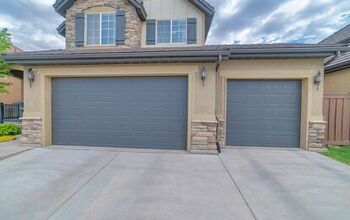
you might consider converting your garage into a space you’ll actually use if you don’t use it to park a car or store tools and other items. Recreation rooms and gyms are common garage conversion choices. While these remodels might work well for you, many people prefer parking their car in the garage rather than using it as a recreational space.
8. Making Two Bedrooms Into A Large Room
One common home renovation that almost always lowers a home's value is converting two small bedrooms into a large room. A home with more bedrooms is generally worth more and is more desirable for anyone with a family. Unless you have a very specific reason to convert two bedrooms into one, avoid doing so if you plan to sell your home.
9. Some Bathroom Renos
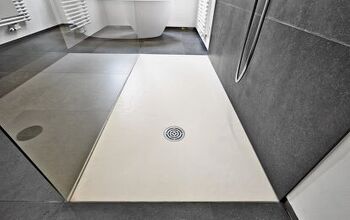
Bathroom remodels are a very common undertaking, as they can often be a fun, albeit challenging, DIY home improvement. Whenever you envision a new bathroom, it’s worth considering what future owners would like. One common mistake that can reduce home value is removing a tub and installing a large shower instead. Bathtubs are desirable, especially for those with small children. Focus on adding and enhancing your bathroom rather than removing and completely re-envisioning it.
10. Artificial Ponds
These can make great water features and attract all sorts of birds. They are also perfect for those who like koi and other pond fish. Like pools, however, artificial ponds are an added expense, and not all homeowners want one in their backyard.
11. Niche Upgrades
Every homeowner is different, and each person has their own unique interests. While your home should reflect you, think twice before making permanent changes to your home or exterior that might look bizarre or too niche for most potential buyers.
12. Gaudy Light Fixtures
Light fixtures and lighting in general are an effective way to make your home look newer and clean. But there is a point where it can go too far. Avoid investing in large, expensive light fixtures unless you plan to take them with you when you move. You might love the look of a glass-blown chandelier, but these pricey, permanent, and bold fixtures can distract potential buyers, especially those looking for a more minimalist aesthetic.
13. Sloppy DIY Upgrades
Every DIY enthusiast should only tackle projects they can complete successfully, with results that will stand the test of time. If you aren’t comfortable with plumbing, electrical work, or other complicated tasks, hire a professional. Sloppy, amateur work will be noticed, especially during an official home inspection. What might have seemed like a cheap, worthwhile project at the time can end up costing you money when you try to sell your home.
14. Over-Improving Compared To The Neighborhood
One last factor to consider before making major home improvements is your neighborhood. There’s nothing wrong with wanting to turn your home into the dwelling of your dreams, but you don’t want to look completely out of place on your street. Homes that look overly fancy or gaudy in a neighborhood stand out, and not always in a good way. You may also struggle to find a buyer willing to pay what a home is worth, especially when nearby homes with similar square footage are likely listed for much less.
Final Thoughts On Renovations That Can Decrease A Home’s Value
The goal of any home improvement project should be, at least partially, to make your home more valuable and desirable. While many renovations increase property value, others may have the opposite effect. Some common home alterations that may decrease a home’s value include converting a bedroom into an office or turning two bedrooms into one large room.
In-ground pools and artificial ponds are costly to install and maintain, making them a risky investment. Avoid overly bold tile colors and patterns, as well as overwhelming and expensive light fixtures. Ensure all kitchen and bathroom remodels have universal appeal, and think twice before making any permanent niche or ornate changes to your home.
Related Guides:
Tom Gaffey is an expert writer who currently resides in Washington D.C. Tom has a passion for real estate and home improvement writing, as well as travel and lifestyle writing. He lived the last twelve years in Hawaii where he worked closely with luxury resorts and event planners, mastering his knowledge of aesthetics and luxury products. This is where he found his passion for home improvement and a keen interest in DIY projects. Currently, Tom resides in Washington D.C, and also working on his debut fiction novel.
More by Tom Gaffey



![Finishing Basement Without Permit [Is It Really Illegal?]](https://cdn-fastly.upgradedhome.com/media/2023/07/31/9070078/finishing-basement-without-permit-is-it-really-illegal.jpg?size=350x220)

![10 Best Zero Turn Mowers – [2022 Reviews & Ultimate Buyer's Guide]](https://cdn-fastly.upgradedhome.com/media/2023/07/31/9070522/10-best-zero-turn-mowers-2022-reviews-ultimate-buyer-s-guide.jpg?size=350x220)