

Landscaping Tasks To Tackle This Fall


If you live in a region with four distinct seasons, your yard will likely transform completely in the fall. Some late-season plants bloom, summer blossoms slowly wither and die, and leaves turn magical colors before tumbling to the ground. So, it's no surprise that you have many crucial landscaping tasks to complete throughout this transformative season.
Some of the most important landscaping projects you need to tackle in the autumn include raking leaves and debris from your lawn and adding compost and mulch to replenish the soil. Trim and prune plants that have grown tall, and remove branches that are too close to your home. Store your hoses and irrigation equipment properly, separate perennials, and add seed to your lawn where needed.
After summer fades, you might start to feel like you no longer need to be in the yard every day. While it’s true that you may have fewer plants to care for in the autumn, you still have a lot of work to do before winter arrives. Below is a list of all the important landscaping projects you should complete in the fall.
15 Landscaping Projects You Can Complete In Autumn
1. Clear Leaves And Debris
One ongoing task each fall is removing leaves and debris. The cooler temperatures bring colorful foliage, but they also bring strong winds that blow leaves and debris all over your property. Don't let leaves and branches decay on your lawn. This can lead to mold and fungus growth, which can destroy your lawn and make it harder to revive in the spring. Rake or blow leaves diligently, and find the best way to remove them without blowing them back onto your lawn.
2. Move Vulnerable Plants Indoors
If you have tropical plants in your yard, move them somewhere safe before frost arrives. Depending on where you live, freezing temperatures come at the start or end of fall. Either way, have a plan and a new home for these plants. If they have grown significantly over the summer, you may want to repot them before moving inside and replenish the soil nutrients.
3. Prepare And Cover Compost
The fall is the perfect time to prepare and store compost for the winter. Avoid leaving compost uncovered in the winter, as it will attract scavenging pests to your yard and slow the maturation process. Once you have added all the natural debris from your yard, separate the compost that’s ready from the pile that still needs time to decompose. Your covered compost will stay nutrient-rich and ready to use in your spring garden.
4. Clean And Store Hoses And Irrigation
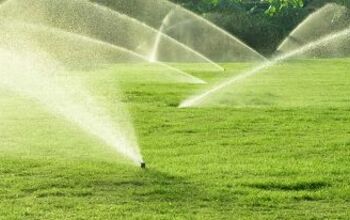
Garden hoses and irrigation equipment are vital to your garden’s success. Leaving them outdoors through a brutal winter can take a serious toll on the materials. Plastic and rubber left outside in the winter can significantly decrease the lifespan of this equipment. Once you stop watering your plants, clean and properly store hoses and any removable irrigation equipment.
5. Trim Hedges
Early fall is a great time to trim hedges, which is easier to do in cooler temperatures. Plus, they still have a month or two before they become dormant, and they should generally stay uniform through the winter and early spring.
6. Divide Perennials
Perennials that have blossomed over the growing season can be divided in the fall and replanted. It's a great way to grow more of the same plant for free. If you don’t need any more plants in your yard, consider gifting them to a friend or neighbor. Dividing perennials is also good for the plant, giving it renew edvigor, often resulting in more growth the following year.
7. Cut Tree Branches That Are Close To Your Home
Trim trees in your yard, especially ones with branches that reach dangerously close to your home. Winter storms are no joke and often result in falling branches. Trimming reduces the risk of damage to your home and autumn is a good time to perform general tree trimming, especially after the tree sheds its leaves.
8. Add Seeds To Your Lawn
Early autumn is generally a good time to add new seeds to your lawn to promote new growth and a thick and vibrant lawn in the spring. If your grass is damaged or heavily trafficked, add fresh seeds every year. If you notice any bald or thin patches, make sure they get plenty of seeds in early fall.
9. Tackle Drainage Projects
If you’ve been putting off a new drainage project, like a dry river bed, swale, or French drain, consider taking on this project in the fall. Temperatures are cooler and better for drainage projects that require a lot of manual labor. It’s also smart to install new drainage before the winter, as it will lead to fewer puddles and less flooding when the snow melts in the spring.
10. Add Compost And Organic Mulch To Soil
After a long year of gardening, your soil will be depleted of many of its nutrients. One great organic (and often free) way to replenish nutrients is to add a layer of compost and a layer of mulch. Vitamins and minerals will slowly absorb into the soil over the fall and early winter, leaving your soil healthy and ready for a new growing season.
11. Stop Cutting Your Lawn
Knowing when to stop cutting your lawn is crucial if you live in a climate with four distinct seasons. Leaving your lawn uncut for too long can promote fungal growth. Cut it too often or too short, and it may struggle to return to normal in the spring. Research the right time to stop cutting your lawn, and mark it on your calendar.
12. Remove Invasive Species From Your Property
Invasive plant species can appear seemingly out of nowhere, and quickly repopulate all over your property. Autumn is a great time to remove invasive plants that established themselves over the summer. Remove thme and the entire root system to reduce the chance of regrowth. Avoid adding these plants to your compost. Instead, dispose of them with your other green waste.
13. Clean And Maintain Container Gardens
After you remove annuals from pots and your container gardens, consider giving these vessels some attention. Pots and containers get dirty over time, and they will stain and get crusty if you don’t scrub them down at least once a year.
Clean and properly maintain flower pots to help keep them looking great for longer.
14. Get Rid Of Weeds
One of the best ways to reduce weeds in your garden the following spring is to completely remove them from your property in the fall. Late-season weeding and other weed-control methods can significantly reduce the number of weeds that pop up with your early spring blooms.
15. Fertilize Around Your Trees
Many trees go dormant in the winter, but that doesn’t mean they don’t need food in the fall. Trees, especially spring bloomers like Dogwoods, benefit greatly from fertilizer in early fall. Feeding them keeps them strong and healthy throughout the winter and for years to come, and can help boost spring blooms.
Summing Up Landscaping Tasks To Tackle This Fall
There is always something you can do in your yard, and the autumn is certainly no exception. Your garden might be less productive in the fall, but there is still plenty of activity outside. Remove leaves and debris from your yard promptly. Take time to trim hedges and any tree branches close to your home.
Divide perennials and add compost to the soil before storing the rest for the winter. Remove invasive plants from your yard, and do your best to eliminate weeds. Clean and store hoses and irrigation equipment, and add fresh grass seed to your lawn to promote new growth.
Reglated Guides:
- Incredibly Long-Lasting Perennials You Can Plant This Fall
- Eight Signs Your Garden Soil Is Unhealthy
- When Is The Best Time To Mulch Your Yard?
Tom Gaffey is an expert writer who currently resides in Washington D.C. Tom has a passion for real estate and home improvement writing, as well as travel and lifestyle writing. He lived the last twelve years in Hawaii where he worked closely with luxury resorts and event planners, mastering his knowledge of aesthetics and luxury products. This is where he found his passion for home improvement and a keen interest in DIY projects. Currently, Tom resides in Washington D.C, and also working on his debut fiction novel.
More by Tom Gaffey



![The 5 Best Angle Grinders – [2022 Reviews & Buyer's Guide]](https://cdn-fastly.upgradedhome.com/media/2023/07/31/9071326/the-5-best-angle-grinders-2022-reviews-buyer-s-guide.jpg?size=350x220)
![10 Best Scroll Saws for 2022 [Ultimate Reviews & Buyer's Guide]](https://cdn-fastly.upgradedhome.com/media/2023/07/31/9070684/10-best-scroll-saws-for-2022-ultimate-reviews-buyer-s-guide.jpg?size=350x220)