
Does Climate Zone Affect Indoor Plant Growth?


Many people are aware that the climate zone in which they live is an important part of which plants can thrive in a garden. That’s why you will always have more success with native plants than with imported ones. However, many people don’t realize how much the climate zone affects indoor plant growth.
Climate zone affects indoor plant growth as it largely determines day length, humidity, and temperature. Tropical houseplants will struggle in homes in the Pacific Northwest if sunlight isn't supplemented with artificial light. Different pathogens and pests are native to different climates, and importing plants carries the risk of introduing pathogens.
Inspect non-native exotic plants before buying them from plant nurseries to ensure they don't have diseases and pests. It’s also important to thoroughly research all a houseplant's sunlight and moisture needs, especially if they’re non-native. Follow along as we explore how climate zone can affect indoor plant growth.
The Ways Climate Zone Affects Houseplants
Where you live affects everything from a plant's sunlight exposure and humidity level to the pests they will encounter. Many variables affect the relationship between climate zone and plants, and in many ways, plays a huge role in your houseplants’ health, such as:
Temperature
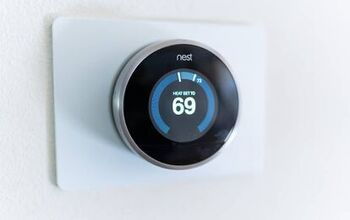
Outdoor temperature significantly affects your home’s indoor temperature. If that weren’t the case, no one would turn on the furnace in the autumn and winter. Plants are extremely temperature-sensitive, which relates to your climate zone and where your imported plants originate. Tropical plants will die outdoors in the fall and winter if you live in the Midwest or the Pacific Northwest.
While houseplants are sheltered, the outdoor temperature will still affect them. Cold and hot air can enter your home through gaps, cracks, chimneys, poor insulation, plumbing, and utility cracks. If you don’t protect indoor plants from outside air, you will inadvertently stunt their growth. Keep them away from doors and windows that bring in heavy drafts and place them in a well-insulated room to protect them from temperature fluctuations.
Sunlight
Climate zone plays a huge role in the amount of sunlight that comes through your winodows. That’s especially true if you primarily use natural sunlight to support your indoor plants. Subtropical and tropical climate zones receive the most sunlight, whereas the Great Lakes and Pacific Northwest receive the least. It’s important to research your climate zone before planning an indoor or outdoor garden.
You may not need to use grow lights to support your plants if you have many sun-facing windows in a desert or tropical climate. You get stronger direct sunlight year-round in desert regions, like Southern California, Arizona, Texas, and New Mexico. Some people have indoor gardens with very little, to no natural light, so they may not care about this. You can successfully grow houseplants with lights, but natural sunlight will make a huge difference.
Relative Humidity
Do you live somewhere with very humid summers? If so, you may be aware of how much outdoor humidity affects moisture levels in your home. However, this isn’t always so obvious, especially when you blast the air conditioner during the day. Humidity is one of the biggest ways climate zone affects indoor plant growth. This is especially true if you live in Florida, Louisiana, Mississippi, Missouri, and Southwestern Illinois.
Outside air can easily creep into your home through the gaps and cracks in your doors and windows. The problem is that air conditioning reduces indoor humidity, which can hold some plants back. Indoor tropical plants will struggle if your AC reduces the relative humidity too much. You can measure relative humidity with a hygrometer and elevate moisture levels with a humidifier.
Pests
It’s easy to assume that indoor plants are safe from pests, but that’s not true. Bugs are closely connected to climate, and you’ll find some pests in tropical climates that you won’t find in the Midwest. However, things get complicated when you consider that plant nurseries buy plants from all over the country. You may purchase a tropical variety from a plant nursery in the Midwest and unknowingly introduce foreign pests to your home. Plant nurseries don’t always closely inspect their products, and customers may not catch them either.
Pests can also quickly jump from plant to plant in indoor gardens, and your native plants aren’t likely equipped to withstand foreign pests. As well, native pests can enter your home, cling to imported tropical plants, and severely weaken and kill them. Regularly inspecting houseplants is important, and even inspect them at plant nurseries before buying them.
Pathogen Exposure
While you can find the same plant pathogens all over the U.S., many are restricted to specific climate zones. Disease-causing agents include bacteria, viruses, parasites, and fungi, all of which can harm plants. Geography, temperature, humidity, and rain affect a pathogen's durability and survival rate. Some plants are relatively immune to native pathogens, while others may thrive in your climate. This creates a problem when importing plants to a region where diseases thrive.
Temperature and humidity fluctuations can create the perfect environment for mold and fungi to grow. Pant nurseries sometimes unintentionally sell plants that are infested with pathogens. They can quickly spread among your houseplants, with devastating results. This is one of many reasons why it’s best to stick to native plants, as they’re easier to protect from pests and disease.
Is It Risky To Import Houseplants?
Importing houseplants can be risky because of pests and pathogens and also because of your climate zone. Even if the seller guarantees there are no pathogens, there’s still a chance your home isn’t ideal for the plant you wish to purchase. You may think that artificial lights are enough to supplement sunlight, but that’s only one of the requirements.
Even with enough water and sunlight, an imported plant will struggle during the winter if your walls are poorly insulated. Choosing the right location in your home for your indoor plants is important. Many people must run a humidifier to help their tropical greenery thrive. That said, it's okay and safe to import plants, as long as they are ethically sourced. The key is research to determine if your home is actually ideal for them.
Summing It Up
Climate zone determines how well your indoor plants will thrive, but you can supplement some of their needs. For example, you can use artificial lights and humidifiers to mimic tropical conditions in a non-tropical climate. However, you must be careful and inspect plants before bringing them indoors, as imported varieties can carry pests and pathogens.
Related Guides:
Nick Durante is a professional writer with a primary focus on home improvement. When he is not writing about home improvement or taking on projects around the house, he likes to read and create art. He is always looking towards the newest trends in home improvement.
More by Nick Durante




![Standard Dining Room Table Dimensions [for 4, 6, 8, 10 and 12 People]](https://cdn-fastly.upgradedhome.com/media/2023/07/31/9074335/standard-dining-room-table-dimensions-for-4-6-8-10-and-12-people.jpg?size=350x220)