Nine Places To Check For Mold At Home


Nobody wants to find mold, but that doesn’t mean you shouldn't look for it. The problem with mold is that it’s easy to miss at first, but it’s unavoidable once it takes hold. There are a few places you can check for mold at home to stop it before it gets out of hand.
The top places to check for mold include your kitchen, bathroom, and refrigerator. It can grow anywhere that’s damp, dark, and filled with organic matter, including your HVAC air ducts. It’s also important to check the washing machine, toilet, shower, dishwasher, and indoor plant room.
Mold can also grow behind your walls, so pay attention to the paint and wallpaper. Follow along as we highlight nine places to check for mold at home.
Where To Check For Mold In The House
1. Under The Sink
Mold thrives in dark, damp locations, and that’s why it's found beneath a sink. To make sure a problem doesn't get out of control, casually check beneath your sinks a few times per month. This will also give you the chance to inspect the pipes for leaks, which is a main cause of mold growing in that area. ,
Listen closely to check for dripping sounds and check for wet spots beneath the kitchen and bathroom sinks. Removing mold from here is relatively easy compared to other parts of the house. However, it’s important to act quickly to prevent mold spores from spreading to other rooms.
2. Washing Machine
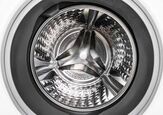
You can get so used to washing loads of laundry, you can forget how susceptible the machine is to mold because of the moisture, darkness, soap scum, dead skin cells, and debris. That’s especially true if you close the lid after removing your wet clothes and transferring them to the dryer. Leave the lid of a washing macine open for at least 20-30 minutes after each load to help prevent mold growth.
It also helps to leave the detergent drawer slightly ajar during this process, as mold can grow there. Check the drum and detergent drawer for mold once or twice per month to help catch mold before it spreads. It also helps to check the walls, floor, and ceiling in your laundry room, as mold spreads quickly.
3. Shower
Your shower is one of the easiest places to check for mold, at least if you shower regularly and should for it at least a few times per month. A bathroom shower is extremely prone to mold due to the dead skin cells, loose hair, soap scum, moisture, and darkness that can accumulate. Mold can grow on the floors and walls, and in the drain. Even without mold, your shower drain likely contains biofilm.
Biofilm and mold are similar, as they’re both organic masses that thrive on what's in your shower. Clean the bathroom shower monthly and check for mold. It’s also important to run the bathroom fan while showering and to leave it on for 30 minutes afterward.
4. Air Ducts
HVAC air ducts are among the most neglected parts of a home. You can’t really inspect and clean them yourself, and it’s easy to forget about them. The problem is that air ducts are the perfect place for mold to grow due to the consistent moisture and darkness. You can tell something is going on in the air ducts if you notice a musty odor when your AC or furnace runs.
It doesn’t necessarily mean mold is growing, but it does indicate that the conditions for mold are present. You can tell mold is likely in your ductwork if you remove the air filter and see it.nYou’re supposed to clean your air ducts every 3 to 5 years to protect your HVAC system and maintain healthy indoor air quality. During the process, the HVAC technician can inspect for mold and treat it if needed.
5. Refrigerator
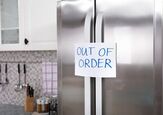
Nobody wants to think about mold growing in their refrigerator, but it can happen. Refrigerators have moisture, darkness, and plenty of food sources to help it grow. The problem is that many people overstuff a refrigerator to the point where they can’t check for mold. Crowded drawers and shelves block airflow, which can cause frost to form in the fridge and freezer.
The extra moisture creates the perfect storm for mold to develop. Wipe up spills in your refrigerator immediately to prevent mold from growing. Ideally, lightly clean your refrigerator monthly to keep it tidy and check for mold. Leave a few inches of space by the back and side walls to improve the airflow and prevent mold.
6. Toilets
A toilet is also a common mold hotspot. All the conditions such as darkness, bacteria, and moisture, are present in toilets. Identifying mold in a toilet can be tricky if your home has hard water, since stains often resemble mold and appear in the same spots, but there are several key differences. Hard water stains are mostly chalky and rough, whereas mold is slimy and fuzzy.
If you suspect mold, don't scrub it without cleaning the toilet with vinegar or bleach. That way, you can kill the mold before scrubbing, and you don’t release spores into the air. Pay attention to the toilet bowl and check the tank once per month to ensure it's mold-free.
7. In The Walls
Sometimes, mold grows in tricky hiding spots, such as the space behind your wall. This happens for many reasons, such as a leaking pipe, poor airflow, and trapped moisture. You can look for several signs of mold in your walls without damaging them. For example, damp spots, peeling and bubbling wallpaper can indicate mold growing in your walls. In extreme cases, moisture and mold can warp the drywall, leaving walls disfigured. If you have any doubts, contact a mold remediation specialist to catch the problem before it spreads throughout the house.
8. Garage
Unless you use your garage as a hobby space, you probably don’t spend too much time there, which doesn’t give you much opportunity to check for mold. A garage is one of the most important places to check for mold, especially during rainy or snowy seasons. You will frequently park a wet car in your garage, close the door, and let the moisture sit indefinitely.
Many garages aren’t ventilated, which means the air will stay damp and stagnant. This structure also contains cardboard boxes, which are common food sources for mold. Check the walls of your garage for peeling paint, warped textures, and mold patches.
9. Indoor Garden
Do you have at least one room at home that’s full of houseplants? If so, your indoor garden is highly susceptible to mold, and you must thoroughly inspect the space. The consistent moisture and organic matter are the perfect recipe for mold to grow. This gets even worse if you run a humidifier to support tropical houseplants.
Ideally, you should put a hygrometer in your houseplant room to regularly check the humidity. If the indoor humidity exceeds 50%, there’s a much higher risk of mold growing. Regularly check your walls and ceiling for mold patches in your plant room. You can also use rapid at-home mold tests if you suspect a mold outbreak.
Summing It Up
Mold commonly grows in bathrooms, kitchens, and laundry rooms due to the excessive moisture. You must regularly check your shower, toilets, and the space beneath your sinks for mold. Don’t forget to inspect your HVAC air ducts and refrigerator for mold throughout the year.
Related Guides
Nick Durante is a professional writer with a primary focus on home improvement. When he is not writing about home improvement or taking on projects around the house, he likes to read and create art. He is always looking towards the newest trends in home improvement.
More by Nick Durante








![Cost To Drill A Well [Pricing Per Foot & Cost By State]](https://cdn-fastly.upgradedhome.com/media/2023/07/31/9074980/cost-to-drill-a-well-pricing-per-foot-cost-by-state.jpg?size=350x220)