

How To Prepare Your House For A Snowstorm


While many children look forward to snowstorms, most adults approach them with dread. After all, a snowstorm can upend all your plans and quickly make your home feel uncomfortable. Luckily, you can make life much easier if you take a few days to prepare before a snowstorm.
Pay attention to the weather forecast and reinsulate your pipes before a snowstorm hits. It’s also important to replace your furnace filter and have your HVAC system tuned up before a heavy snowstorm. Gather plenty of blankets, clothes, food, water, flashlights, and batteries in case the snowstorm knocks the power out.
Don’t wait until the last minute to stock up on groceries before a snowstorm. Ideally, you should get enough groceries to last each person in your home for at least three days. Follow along as we explore how to prepare your house for a snowstorm.
How To Stay Safe At Home During A Snowstorm
1. Stock Up
The last thing you need is to get stuck at home during a snowstorm without enough essentials. Luckily, snowstorms never come out of nowhere, so you should at least know it’s coming a few days beforehand. This should give you enough time to stock up on groceries and other essentials, such as toiletries and weather-appropriate clothes.
Check your refrigerator and pantry to see what you have, then make a list of what you need. Pay attention to best-before dates to ensure your perishables won’t expire soon. Ideally, you should get three days’ worth of water and food for each person you live with. It’s better to be safe than sorry, as you may not be able to leave your house for several days during a snowstorm.
2. Inspect And Trim Your Trees
Dealing with a heavy snowstorm is bad enough when you don’t have to deal with tree limbs on your roof. The weight of heavy snow can easily snap weak branches off the trees in your yard. Depending on the trees’ location, the limbs can potentially crash through your windows or roof.
Ideally, you should inspect your trees and shrubs at the end of the summer or the start of fall each year. That way, you can identify weak branches and even find dead trees before they fall. However, it’s never too late, so you must inspect your trees before a snowstorm if you haven’t already.
Walk through your yard and check to see if any trees are leaning and if the branches or limbs are cracked. Call a tree trimming and removal service if you find weakened or dead trees in your yard. You can save yourself a lot of post-storm cleanup time by trimming your trees before a snowstorm.
3. Prepare Your Pipes
Snowstorms are inconvenient, but they can also be quite devastating if you don’t prepare. That’s especially true for your plumbing system, as your pipes can easily freeze during a snowstorm. Uninsulated pipes are particularly vulnerable and can freeze and burst within 3 to 6 hours during sub-zero temperatures.
Ideally, you should reinsulate your pipes during the fall or early winter to protect them from freezing temperatures. Otherwise, you should at least open the cabinets beneath your sinks to let warm air heat your pipes. It’s also important to lightly run your faucet to ensure the water in your pipes doesn’t stagnate and freeze.
Hopefully, you’ve already disconnected your outdoor hoses, but if not, you should do so before it snows. Invest in some insulated faucet covers to protect the spigots from freezing temperatures. This is essential, as your pipes can freeze if the spigots are left unprotected.
4. Run The Furnace
You’re not alone if you do everything you can to heat your home without a furnace. After all, running the furnace can quickly get expensive, but sometimes, it’s worth it. This is especially true during a snowstorm, when your home is covered in heavy, wet, cold snow.
Ideally, you should set your furnace to run at 68 to 72 degrees Fahrenheit during a snowstorm. This will not only keep your house comfortable, but it will also help protect your pipes. Your instinct may be to turn the furnace off overnight to save money, but that's not a good idea during a snowstorm, as the outdoor temperature is below the freezing point. Keep your furnace running at 68 degrees Fahrenheit overnight to consistently protect your pipes. You may notice a small spike in your energy bill, but it’s better than fixing water damage from frozen pipes.
5. Seal Air Leaks
Countless homes have small air leaks in their exterior walls and windows and under their doors. This is normal, but such air leaks can make your home uncomfortable during a snowstorm. Warm air can escape your home through these gaps, and cold air can enter.
Snow can even spill into your home through large gaps at the bottom of your entry doors. You can prevent this by installing weatherstripping or door sweeps at the bottom of your doors. It’s also important to patch wall and window gaps and cracks with silicone caulk.
All you need is some silicone caulk and a little bit of time. You’ll be glad you sealed these gaps and cracks when you don’t have to deal with cold air entering your home.
6. Replace Your Furnace Filter
During a snowstorm, you’re probably going to run your furnace a lot, or at least you should. This means that lots of dust, debris, and loose pet hair will go through your HVAC system. Your furnace filter will take the brunt of this, so it will probably get dirtier faster than usual.
That’s especially true if you haven’t replaced your furnace filter in several months. It’s a good idea to stock up on furnace filters during early autumn, as you must replace it a few times during the cold seasons. HVAC technicians recommend replacing your filter at least once every 90 days.
Doing so will not only help improve the indoor air quality, but it will also help protect your furnace. Furnaces must work much harder to push warm air through dirty filters, which can increase your energy bills. Replace your furnace filter at least a few days before the snowstorm to protect your HVAC system.
7. Check Your Carbon Monoxide And Smoke Detectors
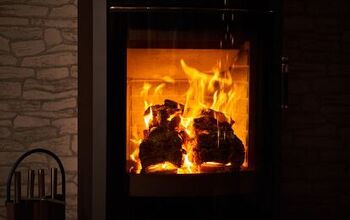
If you have a fireplace, you may understandably use it during a snowstorm. This can add some much-needed ambience to your home and help keep you warm. However, using a fireplace is only safe if your smoke detector and carbon monoxide detector are working properly.
Replace the batteries in both detectors before building a fire this winter. Of course, that won’t be necessary if you just recently replaced the batteries. It’s also important to test both detectors to make sure they’re responsive and work properly.
8. Schedule An HVAC Inspection
Yearly HVAC inspections are essential, as some HVAC problems are hard to detect if you’re not a professional. During an inspection, an HVAC technician will check, calibrate, and clean your air conditioner and furnace. They will also check to make sure that your furnace is properly vented to the outside of your home.
This is important, as venting problems can cause carbon monoxide to accumulate in your home when you run your furnace. Ideally, you should schedule an HVAC inspection during the fall or early winter. That way, you can address any problems before it gets too cold and you must rely on your furnace.
9. Create An Emergency Kit
It’s not uncommon to get stuck at home for days during a heavy snowstorm. Unfortunately, this sometimes means that you must sit tight through a power outage. Once this happens, you probably can’t easily leave the house during emergencies or even watch the news.
That’s why you must create an emergency kit that includes a battery-powered radio. This way, you can listen to the radio and hear updates about the weather, traffic, and snowplows in the area. Your emergency kit should also include first aid supplies, like bandages, medication, antiseptic cream, and moist towelettes.
It’s also a good idea to stock up on extra blankets, coats, and thermal clothes. The power may go out, so you must protect yourself and stay as warm as possible. Naturally, you should also have several cases of water and refill your prescription medications before the snowstorm hits.
10. Treat Your Driveway And Walkways
Shoveling your driveway and walkways isn’t fun, but it’s necessary after a snowstorm. You can make your life much easier by treating your driveway and walkways with salt before the storm. Salting your driveway will prevent ice from forming, which makes shoveling your driveway much easier.
That way, you won’t have to break a bunch of ice, and instead can focus on powdery snow. However, you must be careful and avoid applying too much salt. Not only will it make a mess, but it can also damage your driveway’s surface over time. Don’t put salt on surfaces that your pets walk on, as it may hurt their paws. You may want to temporarily restrict where you let your dogs play until you can clean the salty mess.
Summing It Up
You must stock up on three days’ worth of groceries and water per person before a snowstorm. It’s also important to build an emergency kit full of first aid supplies, batteries, and a radio. Seal the gaps and cracks in your walls, windows, and entry doors to keep cold air and snow out of your home.
Related Guides:
Nick Durante is a professional writer with a primary focus on home improvement. When he is not writing about home improvement or taking on projects around the house, he likes to read and create art. He is always looking towards the newest trends in home improvement.
More by Nick Durante