
How To Get Your House Ready For A Pet Sitter


Leaving your pets at home while you go on vacation is tough, especially if you haven’t done it before. However, finding a pet sitter these days is easier than ever, thanks to several platforms and apps, as well as people in your life. That said, you may still struggle with how to prepare your home for a pet sitter.
The best way to prepare for a pet sitter is to note every aspect of your pet care routine, such as feedings and giving medication. It’s also important to put all the food, bowls, toys, and pet supplies in one easily accessible spot for the person looking after your pet. Give them a walkthrough and create a detailed care list to make their job easier.
Adequate preparation will remove unnecessary stress and provide you with peace of mind while you’re out of town. Follow along as we explore how to get your house ready for a pet sitter.
How To Prepare For A Pet Sitter
1. Evaluate Your Routine
Caring for pets requires consistency, and your routine probably feels like second nature by now. Ideally, your pet sitter can fall into this pattern and care for your animal with the same attention and love that you provide. To ensure this, consider your daily pet care routine. Think about the number of times you take your dog outside each day and write it down.
When do you feed your pet, how much food does it need and how often you refill the water bowls. Your pet sitter must know this information to akeep your pet safe and healthy. Track everything from playtime and feedings to medication administration. That way, you can give your pet sitter an easy roadmap to caring for your pet.
2. Hide Sensitive Items
It’s hard to get peace of mind when leaving your pet with someone for more than an afternoon. This can be so stressful that some people forget they must also worry about their own belongings. That’s especially true if you hired a pet sitter through a service like Rover or asked a random neighbor for help. Hide your sensitive items, including financial information, money, valuables, rare collectibles, and family heirlooms. Of course, this may not be necessary if a close friend or family member is watching your pets while you’re gone.
3. Make Sure Everything Is Easy To Find
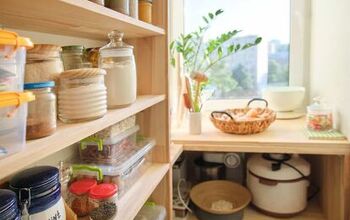
Even if your pet sitter is familiar with your house, make sure they can find what they need easily. Otherwise, they may text and call you asking questions throughout your absence. Ideally, you should put your pet supplies in a central location they can easily access in your house. For example, put a big, sealed tub of food on your kitchen island, alongside bowls and medications.
If you rely on potty pads to prevent accidents around the house, they should be in an easy-to-find area as well. Granted, your pet sitter may still need to contact you and ask a few questions from time to time, but all the basics should be readily available to ensure they can give your pet the best possible care.
4. Put Away Dangerous And Breakable Items
Some dogs and cats push the envelope when a stranger is looking after them. This behavior can involve jumping on counters, climbing tables, scratching furniture, and knocking over decorations. Prepare your home as if your pets have forgotten the house rules for a few days. Move breakable items away from the edge of counters, shelves, and tables to prevent accidents.
Hide medications, which reduces the possibility of them spilling and getting consumed by your pet. In many ways, you can approach your pet sitter preparation routine as if you were toddler-proofing a house. This is not only to protect your pets, but also to make your pet sitter’s job easier.
5. Give The Sitter A Walkthrough
Your pet sitter may not be familiar with your house, so it’s important to show them around. By now, you’ve hopefully put the essentials in easily accessible locations, but a going through the house is still necessary. Show your them around, pointing out bathrooms and common lounging or hiding areas for your pets. That way, the pet sitter won’t panic if they have difficulty finding your cat when they enter the house.
You can also decide which doors you want to keep closed while gone, and point them out to your pet sitter. Closing certain doors can simplify the job and help corral your pets to a smaller area. If your pet sitter is staying at your house while you’re gone, make sure to show them where they sleep.
6. Prepare For Emergencies
It’s likely that your time away from home will go smoothly and that your pet sitter won’t have problems. However, emergencies can appear out of nowhere, and preparing for them is half the battle. Create a plan in case something happens to your pet or the pet sitter. For example, if your pet sitter has a personal or medical emergency that takes them away from the house, you need a backup plan.
Put them in touch with a friend, neighbor, or a member of your family. This ensures your sitter can arrange for someone to feed your pets or take them outside as needed when something pulls them away. It’s also important to provide your veterinarian’s contact information, as well as the nearest emergency pet hospital information.
Summing It Up
Write a list of your pet care routine to give your pet sitter a clear view of what’s needed to take care of your pets. Keep all your pet supplies in one spot so your pet sitter doesn’t waste time looking for things. Most importantly, before leaving town, hide breakables and dangerous items such as medications, to reduce the risk of injury or illness.
Related Guides:
Nick Durante is a professional writer with a primary focus on home improvement. When he is not writing about home improvement or taking on projects around the house, he likes to read and create art. He is always looking towards the newest trends in home improvement.
More by Nick Durante