
What To Do If Mold Keeps Coming Back


Treating mold isn’t fun, but it can at least provide some much-needed peace of mind. That is, of course, until you notice the mold has returned. You’re not alone if you’re unsure of what to do when mold keeps coming back.
Inspect your walls and plumbing fixtures for leaks, then patch them if mold keeps coming back. It’s also important to monitor the indoor humidity level and use a dehumidifier as needed. Moldy conditions will remain indefinitely if the indoor humidity level stays at or above 50%. Never scrub mold without treating it, or it will return.
If mold keeps coming back, it may be a sign of a more widespread issue throughout your home. In that case, you must contact a mold remediation specialist, as a moldy house is a recipe for disaster. Follow along as we explore what to do if mold keeps coming back.
Why Does Mold Keep Coming Back? (And How To Stop It)
Figuring out how to stop mold from coming back is a matter of identifying the cause. If mold keeps coming back after treatment, it may be due to one of several reasons, including:
1. You Haven’t Patched Leaks
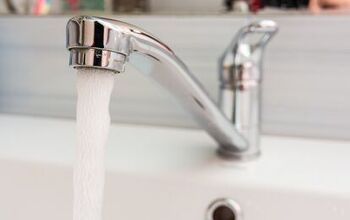
Leaky pipes are among the most common reasons why people find mold in their homes. However, you may not realize this at first, and you instead treat the mold. If you treat the mold without patching the pipe leaks, the mold will keep coming back.
This can happen indefinitely until you address the root of the problem. The mold may seem contained to the same spot, but the spores will likely spread. Many people deal with this vicious cycle, as finding the problematic leak isn’t always easy. You can tell a pipe leak is to blame if you find wet spots and discolored drywall or insulation near the mold. Luckily, you can fix most minor leaks with silicone tape or epoxy caulk. That said, you should call a plumber if you suspect a large leak or want to replace the pipe.
2. Persistent Indoor Humidity Problems
High indoor humidity is a recipe for disaster in many ways, and it can explain why mold keeps coming back. Mold will return indefinitely if your home’s indoor humidity level stays at or above 50%. Long showers, houseplants, pipe leaks, outdoor humidity, and poor ventilation can all contribute to high indoor humidity.
You can reduce the indoor humidity in your house by running a fan while showering and installing new return vents. It also helps to get your HVAC system inspected to make sure your air conditioner isn’t too big. The easiest way to reduce indoor humidity is to use a dehumidifier. Set your dehumidifier to maintain an indoor humidity level between 30% and 50%. Not only will this prevent mold from coming back, but it will also improve the air quality. This is essential for people with allergies and asthma.
3. You’ve Only Scrubbed The Mold
Don’t be surprised if you scrub the mold and it comes back, as scrubbing it doesn’t do much. Scrubbing mold is dangerous if you don’t wear a mask and treat the mold with chemicals. Not only can you inhale mold spores when you scrub it, but doing so doesn’t actually kill mold.
Instead, you’ll release the mold into the air, which will only help it spread throughout your house. In many ways, this is worse than leaving the mold alone, as you can worsen the problem. Instead, you should wear a protective mask and spray the mold with white vinegar or bleach to kill it. You can also find commercial mold killers, but white vinegar is a safer option. When using a commercial mold killer, you must closely follow the instructions to maximize the results.
4. There Was More Mold Than You Initially Thought
Mold rarely stays contained to a single spot, especially in small homes with high indoor humidity. Whenever you find and treat one patch of mold, it’s worth exploring the rest of your house. Check beneath the cabinets, behind your appliances, and on the walls and ceiling.
If mold remains in those spots, it may return to the original place where it was found. This can be frustrating and feel like a game of whack-a-mole. Today, you can find mold testing kits to help identify mold spores in the air. You can use one to see if there is more mold in your home than you thought. Otherwise, you can hire a mold remediation specialist to inspect and treat your home. This is the best option if it keeps coming back despite your best efforts.
5. You Used The Wrong Products
Commercial mold-killing sprays aren’t always as good as they seem. Many people learn this the hard way after spending a small fortune on mold-killing products. The main problem is that many of these products aren’t designed to penetrate deeply.
You may remove or discolor surface-level mold, but that won’t kill what lies beneath. In that case, the mold will reappear after a few days, and you’ll wonder what went wrong. You’re better off using hydrogen peroxide to kill mold, at least compared to many store-bought mold killers. That’s because hydrogen peroxide can penetrate deeply, which is useful for mold in drywall. However, if it doesn't work, you may decide to ask a mold remediation service for help.
6. Poor Household Habits
Sometimes, mold appears due to small oversights that homeowners make. For example, some people hang soaking wet clothes close together in a small, dark room. The clothes may eventually dry, but the mixture of moisture, darkness, and poor airflow can contribute to mold.
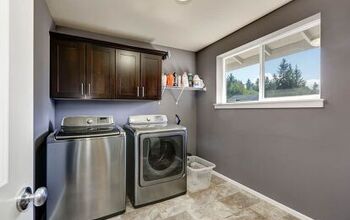
This is one of the biggest causes of mold, and may explain why yours keeps coming back. Leaving wet towels and clothes out for too long can create the perfect conditions for mold to grow. Treating mold is only a temporary fix if you continue to make these simple mistakes. Never hang wet clothes in a closet, and never leave wet trash in the house for too long. Simple things like this can help you prevent mold from coming back.
Summing It Up
Run a dehumidifier to keep the indoor humidity at 30%-50% if mold keeps coming back in your house. It’s also important to identify and patch leaks to prevent mold growth and water damage. Contact a mold remediation service if you suspect a major mold problem within your home. They can do deep treatments to eliminate mold and ensure spores don’t stay in the air.
Related Guides:
Nick Durante is a professional writer with a primary focus on home improvement. When he is not writing about home improvement or taking on projects around the house, he likes to read and create art. He is always looking towards the newest trends in home improvement.
More by Nick Durante