
Mold Prevention And Removal Basics (Dos And Don’ts)


Mold is ugly, inconvenient and dangerous. It can spread quickly, and is linked to several serious health issues. That’s why every renter and homeowner should familiarize themselves with how to prevent mold and basic removal practises.
The basics of mold prevention, like reducing indoor humidity and improving ventilation, can make your life easier. The key is to maintain 30% to 50% humidity in your home and maximize airflow by cleaning air ducts and replacing filters as needed. When removing mold, treat it with white vinegar and water, scrub it, then thoroughly dry the area.
If that doesn’t work, you can wash the surface again, then treat it with bleach and water. Follow along as we explore the basics of mold prevention and its removal.
Mold Removal Basics
Removing mold can be somewhat dangerous. That’s because interacting with mold in any way can release spores into the air and travel throught the house, so you must be careful and follow the basics, such as:
Protect Yourself
Scrubbing mold is dangerous if you don’t protect yourself from spores that can quickly travel through the air. Cover your mouth and nostrils, so you don’t inhale the spores. The best option is to wear an N95 or P100 mask, but anything with a tight seal works. It’s also important to wear goggles, as airborne mold can irritate your eyes. Snug-fitting goggles will also come in handy while using chemicals to clean moldy surfaces.
Ideally, wear long, skintight gloves to protect your hands from mold spores and chemicals. Wear a shirt you don’t mind getting messy, and it should be put it in the dirty clothes bin when you’re done. Otherwise, you may track mold spores throughout your house if you wear the same clothes all day after a mold cleanup.
Create A Cleaning Solution
Before you can safely remove mold, you must make an effective cleaning solution. Many people don’t want to use strong chemicals, especially in small spaces where mold is commonly found. In that case, your best option is to fill a spray bottle with equal parts water and white vinegar. White vinegar is acidic enough to disrupt the mold’s pH and in many cases, damage its membrane. It’s also strong enough to seep into grout and drywall, which is useful for mold in a bathroom.
That said, white vinegar on its own isn’t always strong enough to remove stubborn cases of mold. In that case, you may need to mix one cup of bleach with one gallon of water. The downside is that bleach can’t penetrate wood and drywall, and it can also stain some surfaces. If you use bleach, make sure you haven’t treated the surface with other chemicals, as dangerous reactions are possible.
Clean The Surface
Once you’ve picked the perfect mold-killer, you can clean the surface. Equip yourself with the protective materials we mentioned earlier to ensure you don’t inhale any mold spores. Spray the mold with white vinegar and water or whichever mold-killer solution you choose. Let the solution sit on the mold for up to 15 minutes to ensure it penetrates the mold’s membrane. Next, use a clean sponge, scouring pad, rag, or brush to scrub the mold until it's no longer visible.
Once the mold is gone, reapply the solution, let it sit for 15 minutes, and scrub the surface again. This way, the solution can penetrate the surface and kill mold that you can’t even see. Thoroughly dry the surface with a rag or towel, as excessive moisture can increase the risk of mold returning. It’s also a good idea to run a fan or crack open a window.
Ask For Help
Removing mild cases of mold isn’t necessarily difficult. However, “mild” is the operative word, and you aren’t likely qualified to handle a severe case of mold. That doesn’t mean you’re unskilled; it means that a serious outbreak of mold is dangerous and best handled by professionals.
Ideally, you should call a mold remediation specialist if you’re worried about a widespread mold problem at home. You can even request professional help for a minor mold case, especially if you don’t have protective equipment. Mold remediation specialists are best equipped to remove existing mold and prevent it from coming back.
Mold Prevention Basics
While there’s no way to completely prevent mold, you can largely minimize the risk in a few ways, including:
Improve Ventilation
Mold thrives in poorly ventilated homes, as a lack of airflow can trap moisture and create a stagnant environment.Without airflow, moist air will linger, and you’ll find condensation on your walls, appliances, countertops, and other surfaces. Mold can quickly spread in a damp, stagnant environment.
Even with good ventilation, there’s always a chance that it’s blocked due to neglect. For example, clogged air ducts can reduce airflow and increase the risk of mold growth. Regularly replace your air filter and clean your air ducts every 3 to 5 years to maintain good ventilation and airflow.
Reduce Indoor Humidity
High indoor humidity is bad for many reasons, but few are as serious as mold growth. If you find mold at home, there’s a good chance that at least part of your house is overly humid. Many people find mold in the bathroom because this room is often more humid than the rest of the house. Your excessive humidity problem may extend to the rest of your house, and you must control it.
Your best option is to buy a humidity monitor to measure the moisture levels in each part of your house. The best-case scenario is between 30% and 50% indoor humidity, which makes mold growth unlikely. Once the humidity rises to 60%, there’s a greater chance mold will grow in your home. Reducing indoor humidity is one of the top mold prevention basics, and you can do it with a dehumidifier. Run a fan while showering and use a dehumidifier to maintain an optimal indoor humidity level.
Dry Your Clothes Carefully
Many people air-dry their clothes to prevent shrinking and other damage associated with dryers. However, hanging wet clothes indoors can also significantly increase the risk of mold growth. That’s especially true if you hang wet clothes in a closet or small room. The easiest way to avoid this problem is to hang your wet clothes outdoors.
Not only will they dry faster, but keeping them outside won’t affect your home’s humidity. If that’s not an option, be careful when hanging wet clothes inside. For example, put at least 2” of space between wet shirts and pants when hanging them. Otherwise, you’ll restrict air circulation, and mold can easily breed in the damp, stagnant places.
Fix Plumbing Leaks
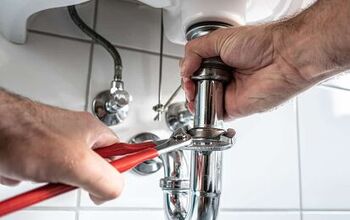
Almost every renter and homeowner has dealt with inconvenient plumbing leaks. However, you may not notice leaks, especially if they occur beneath or behind your walls or fixtures. That’s why mold commonly grows beneath sinks, because the leak may continue for a while before you notice.
While you can call a plumber, most minor leaks are easy to fix. For example, you can patch minor pipe leaks with silicone tape or epoxy putty, both of which are available at most home improvement stores. That said, it’s worth calling a plumber if the pipes or joints must be replaced.
Quickly Dry Wet Surfaces
Spills are bound to happen, and while you shouldn’t cry over spilt milk, you should clean it right away to prevent mold growth. That’s especially true if you spill liquid on a carpet, rug, or piece of upholstered furniture. Liquid can soak into the fibers, and there’s a chance that mold will grow deep beneath the surface.
From there, you may unknowingly spread mold spores throughout your home when walking around. Dry small spills right away, and use a wet/dry vacuum for a large one. If a serious leak or flood happens, call a water restoration damage service. They can minimize the damage and help prevent mold growth in the affected areas. Your homeowners insurance should cover sudden water damage, but each policy is different.
Summing It Up
The best way to prevent mold growth is to maintain 30%-50% humidity and improve your home’s ventilation. Never scrub mold without treating it with white vinegar and water, bleach and water, or hydrogen peroxide. Otherwise, you’ll release mold spores, which can then spread throughout your house.
Related Guides:
Nick Durante is a professional writer with a primary focus on home improvement. When he is not writing about home improvement or taking on projects around the house, he likes to read and create art. He is always looking towards the newest trends in home improvement.
More by Nick Durante


![10 Best Electric Pressure Washers – [2022 Reviews & Guide]](https://cdn-fastly.upgradedhome.com/media/2023/07/31/9070600/10-best-electric-pressure-washers-2022-reviews-guide.jpg?size=350x220)

![The 10 Best Table Saws - [2022 Reviews & Buyer's Guide]](https://cdn-fastly.upgradedhome.com/media/2023/07/31/9070645/the-10-best-table-saws-2022-reviews-buyer-s-guide.jpg?size=350x220)
![How Much Weight Can a 4×4 Support Horizontally? [It Depends!]](https://cdn-fastly.upgradedhome.com/media/2023/07/31/9070333/how-much-weight-can-a-44-support-horizontally-it-depends.jpg?size=350x220)