
14 Items You Should Never Store In The Attic


The attic is a fantastic place to store items you rarely use but can’t part with. It’s a place high up in a home where people keep holiday decorations, mementos, and other objects that are used only briefly each year. While it is an ideal place to store some of your belongings, uncontrolled temperatures and humidity make your attic a place you should never store certain vulnerable objects.
Some items you should never keep in an attic include any electronics, batteries, and vinyl records. Wood, especially antique wooden furniture, as well as rugs should also never be stored in the attic. Books and clothing can attract bugs and eventually get eaten and destroyed in an attic. Cans of paint, photographs, food items, paintings, and other artwork must always be stored in a temperature-controlled environment.
Before you put items in your attic, consider whether a space with temperature extremes and no humidity control is a safe long-term home for these objects. While many of your belongings are resilient, there are others that you should think twice about before placing in attic storage. If you aren’t sure whether the items you store just under your roof are safe, keep reading. Below is a list of popular items you should never keep in your attic.
14 Things You Should Not Keep In Your Attic
1. Electronics
Many electronics are vulnerable in extreme temperatures. High heat and freezing cold can warp essential plastic and hardware components and weaken and destroy internal batteries. Humidity in an attic is also a danger to many electronic devices. Moisture can cause electronics to rust and corrode, eventually rendering a machine unusable. To help ensure longevity, always store electronics in a temperature-controlled environment and in a place with normal to low humidity.
2. Photo Albums
There are some objects you hold onto that you can’t put a price tag on. Photo albums are one such priceless item, especially vintage photos. While most pictures you take nowadays live on your phone and in the cloud somewhere, there is no backup for paper photos and negatives. High temperatures can ruin chemicals on photographs, causing colors to disappear and photos to fade. Since these images are usually printed on paper, they are susceptible to mold, especially if your attic is often humid.
3. Paint
After you paint your home’s interior walls, it’s a good idea to keep an extra can of paint in storage in case you need to do some touch-ups from time to time. A properly stored can of paint can last anywhere from one to five years, but it won’t last long at all in the attic. Extreme temperatures can cause some paints to separate and chemicals to react in others. The result is a paint that is faded or otherwise unusable. Always store paint in a temperature-controlled environment out of direct sunlight.
4. Candles
It's a great idea to stock up on candles when they are on sale after the holidays. Scented candles can keep their fragrance for a year or longer. Unscented candles can last for years if you store them properly. Unfortunately, most attics spell certain death for candles. Unless you live in a region with limited sunlight and cool temperatures, your attic is bound to reach very high temperatures in the summer months. These hot conditions can melt candles. Even if the candle isn’t destroyed, it will be less fragrant and effective when you light it.
5. Wooden Furniture
For wooden furniture you love but must keep stored, avoid putting it in the attic. Wood, especially antique wood, should never be kept in an attic without proper insulation. Just as decks warp and crack over time due to temperature extremes, so will your wooden furniture when it’s left in the attic. Humidity, combined with these temperature fluctuations, can make things even worse.
6. Books
If you’ve accumulated so many books that you’ve run out of shelf space in your home, then you’ll need to find a place to keep the overflow of texts. The attic might seem like a smart place to keep old books, but you should think twice before doing so. Humidity is a significant concern for paper, as it can cause mold and mildew, which will destroy books and make them smell musty. Attics also attract several insects that eat paper, including silverfish, moths, and others. Always store books in an airtight container in a low-humidity area.
7. Clothing
Clothing is made of many materials, both synthetic and natural, and none of these fabrics should be stored in the attic. Temperature fluctuations in an attic can cause fabrics to shrink or fade. Always store your seasonal clothing in an airtight, secure container. Otherwise, it is susceptible to insects, including fabric-eating moths. Mold and mildew are also concerns, as these fungi can stain your clothing and make it smell awful.
8. Batteries
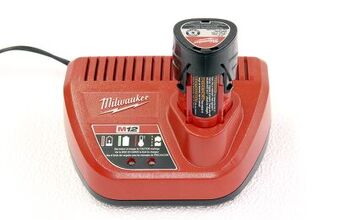
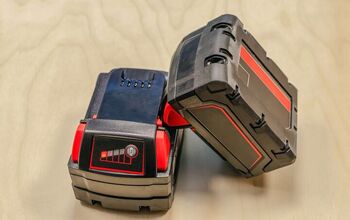
Storing batteries in the attic is not only bad for their longevity, but it can also be dangerous. Extremely high temperatures can cause many batteries to leak or expand. In rare instances, a battery can even catch on fire, which can be disastrous for your home. Always remove batteries from decorations and other items stored in the attic, as they can corrode and damage the device. To help keep your batteries in good condition for longer, store them in a cool and dry place.
9. Leather Goods
Leather clothing, boots, accessories, and other leather goods are always in style but usually seasonal. If you store your leather goods along with your fall and winter wardrobe, ensure you don’t keep these pieces in the attic. Dry heat can crack leather, ruining it. Meanwhile, humidity can turn leather green with mold, especially if your attic has poor circulation. Instead, store anything made from leather in an airtight container, ideally in a vacuum-sealed bag, and at room temperature.
10. Vinyl Records
Some people aren’t ready to say goodbye to their vinyl record collection but rarely play them. If this sounds like you, then you’ll need a place to store your records. The attic might seem like a convenient place to keep this vintage music, but it can destroy your precious vinyl records. High heat can warp vinyl over time and even crack this material, rendering your records unplayable. Find a cooler place in the home, like a shelf in a closet, to store your records.
11. Paintings And Drawings
If you collect art or own more artwork than you have walls to hang it on, then you’ll need to store it somewhere. Never store artwork, particularly valuable paintings and drawings, in your attic. Temperature changes will cause colors to fade and paint to crack. Humidity can also cause mold to grow on paper and canvas, and it can warp and wrinkle the art. Store artwork in a climate-controlled space out of direct sunlight, especially if it’s valuable.
12. Rugs
For rugs you only use in the summer or winter, you’ll need ample storage to keep them safe for the following year. Unfortunately, your attic is not a great place to keep a rug. For one, a rug is difficult to seal in an airtight container, making it vulnerable to humidity and pests. Several pests can make a home in your rolled-up rug when it’s not in use. High temperatures can cause colors to fade, and most rug fibers are susceptible to mold.
13. Food Items
With limited space in your kitchen pantry, you’ll need a place to store your overflow of non-perishable food items. You may think that if food is canned and shelf-stable, you can store it anywhere. In reality, however, shelf-stable food items should be stored at room temperature, not in the attic, where temperatures fluctuate widely. If you have a natural disaster prep kit with food in it, you should store it in a cool, dark space, rather than in the attic.
14. Important Paper Documents
Essential legal documents, including birth certificates, old tax files, and other crucial papers that you need to keep indefinitely shouldn’t be stored in the attic. High heat and humidity can turn these vital documents moldy, making them difficult to read and handle. Instead, consider storing these documents in a fireproof safe somewhere inside your home.
Wrapping Up Items You Should Never Store In An Attic
Your attic can be a lifesaver when you’re trying to manage clutter and store bulky seasonal items out of sight. There are, however, many items that will deteriorate if you store them in your attic due to extreme temperatures and high humidity. Some items you should avoid putting in your attic include electronics, clothing, wooden furniture, and batteries. Clothing, rugs, vinyl records, artwork, and cans of paint should all be kept somewhere indoors at room temperature.
Related Guides:
- How To Improve Attic Storage
- Is Air Sealing The Attic Worth It? (Find Out Now!)
- What Temperature Should An Attic Be? (Find Out Now!)
Tom Gaffey is an expert writer who currently resides in Washington D.C. Tom has a passion for real estate and home improvement writing, as well as travel and lifestyle writing. He lived the last twelve years in Hawaii where he worked closely with luxury resorts and event planners, mastering his knowledge of aesthetics and luxury products. This is where he found his passion for home improvement and a keen interest in DIY projects. Currently, Tom resides in Washington D.C, and also working on his debut fiction novel.
More by Tom Gaffey