

Why Are There Shrews In My House?

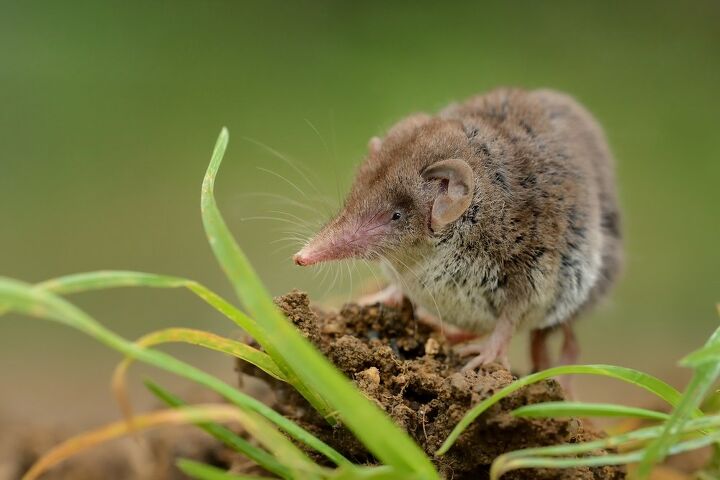
Shrews may look cute in pictures, but you may not think they’re so cute when you find them indoors. They aren’t as gross as rats, but nobody wants to find shrews indoors. So, why are there shrews in my house?
Shrews typically enter homes through small gaps and cracks in doors, windows, and exterior walls. They enter homes seeking food, such as spiders and insects, and this can happen year-round. Cluttered plants around your exterior walls can also draw shrews into your house, so routine pruning is essential. Never leave dog food or trash outside near any entry points.
Shrews are unlikely to bite you, but they still pose sanitary risks. Follow along as we explore why there are shrews in your house and highlight several deterrents.
What Attracts Shrews Into Your House?
1. Warmth
You aren’t the only one who wants to get warm and cozy in your home. Unfortunately, a shrew may see your house as the only warm shelter in the area. Shrews don’t hibernate like some other animals, but they do become less active and seek shelter, often underground.
However, burrowing underground isn’t always an option, especially when it’s snowing and ice is on the ground. If you already have shrews in your yard, there’s a good chance they’ll at least try to enter your home during the autumn and winter. That’s especially true when there is rain, snow, and ice on the ground in your yard.
2. Bugs
Shrews won’t enter your home unless they think it’s full of a steady food source. They eat a regular diet of bugs, including spiders, crickets, beetles, ants, moths, and more. If your home is infested with bugs, there’s a good chance you’ll also find shrews inside.
This can occur year-round, as bugs retreat from the heat during the summer and the cold during the fall and winter. Treat your house with insect and arachnid repellents to make it less appealing to shrews. That said, you can use natural methods, like diatomaceous earth, if you don’t like using chemicals.
Scatter some diatomaceous earth on the ground near your entry doors to stop pests from getting into your home. Otherwise, you can use peppermint oil, but only if you don’t have pets around, as peppermint can harm them. However, you may want to call a pest control company for a serious bug problem. Once the bugs are gone, shrews won’t be as attracted to your home.
3. Easy Access
Shrews can fit through openings the size of a dime, or even smaller. There’s a good chance that your exterior walls and even entry doors have openings that size. Shrews are quite resourceful, so they can easily enter your home through such openings as needed.
Their skulls are small enough to push through the tightest openings, and they don’t mind squeezing their bodies through them. That’s why you must closely examine your exterior walls and entry doors when the temperatures plummet. You can easily seal wall gaps with silicone caulk to keep shrews out of your house.
However, you must use exterior-grade caulk otherwise, it may not be durable enough to deter shrews. It’s also a good idea to install door sweeps at the bottom of your home’s entry doors. Door sweeps and weatherstripping can keep shrews and other pests out of your house.
4. Cluttered Perimeter
Many homeowners keep flowers, shrubs, and trees around the perimeter of their homes. This can look great, but it can also cause problems if you don’t maintain this foliage. That’s because cluttered flowers, weeds, and shrubs can attract shrews looking for shelter.
They can work their way from the cluttered plants into your home’s nearby entry points. Decluttering the plants around your home’s perimeter can deter snakes, shrews, and spiders. Regularly pull the weeds around your home throughout the spring, summer, and fall.
It’s also important to prune your bushes and avoid planting more plants within 2-3 feet of your home. Don’t plant big shrubs any closer than 4 to 5 feet from your home, or else shrews may linger around your exterior walls. Shrews are unlikely to linger around your home if they feel exposed, so removing hiding spots is essential.
5. Pet Food
Pet owners who leave food and water outside for their pets may inadvertently attract shrews. Shrews may prefer bugs, but they won’t hesitate to eat leftover dog food. That may be enough to make shrews linger near your porch and backyard.
If the food bowl is close to an entry door, the shrews may become curious enough to enter your home. In general, it’s a bad idea to leave dog food outside near your home’s doors. Not only can it attract bugs and shrews, but the dog food may also spoil. This can make your dog sick. Instead, it’s better to feed your dog exactly how much they need to eat. That way, you won’t leave food outside indefinitely, so you can deter shrews and protect your dog.
6. Water Sources
Just as they need food, shrews also need plenty of water. Nearby water sources can draw shrews toward your home, even if it’s just a matter of standing water in your yard. Bird baths, water bowls, ponds, and streams can all attract shrews to your house.
This is especially a problem if your yard is poorly graded, as you’re more likely to find standing water. Standing water is a sign of soil compaction, which can be addressed by aerating and re-grading your lawn. Ideally, you shouldn’t keep any bird baths or fountains near your house, as they can attract many pests, including shrews.
Place your bird bath at least 15 feet away from your house if you insist on keeping one. However, there’s still a chance that shrews will approach your home. Never leave water bowls near your front door, or you’ll attract shrews, spiders, flies, raccoons, and more.
When Are Shrews Most Active?
Shrews are consistently active all day and night, but they’re most active at night. However, you can find shrews in your house and yard at any time of the day, as they don’t sleep much. They only sleep in short bursts of 10 to 30 minutes before scouring around again.
Unfortunately, this also means that shrews stay active throughout the year, as they don’t hibernate. They do become less active during the winter months, as many of their food sources disappear. A shrew’s body and brain shrink during the winter, which is part of Dehnel's phenomenon.
This helps them conserve energy and reabsorb nutrients as needed. However, they hunt for food when they notice it’s around. That’s why shrew-proofing your house is so important, no matter what time of year it is.
Summing It Up
You’ll likely find shrews in your house if your doors, windows, and exterior walls have lots of gaps for them to crawl through. Food and water sources near your doors can also explain why you find shrews in your house. Treat your home for insects and arachnids, as they’re the main food sources for shrews.
Related Guides:
Nick Durante is a professional writer with a primary focus on home improvement. When he is not writing about home improvement or taking on projects around the house, he likes to read and create art. He is always looking towards the newest trends in home improvement.
More by Nick Durante