Seven Signs Of Heat Exchanger Failure


Most homeowners are likely aware that heat exchanger problems can be quite dangerous. However, not everyone knows what a failing heat exchanger looks and sounds like. That’s why we compiled a list of some of the serious signs of heat exchanger failure.
You can tell that your heat exchanger is failing if your furnace’s burners are covered in soot, and puddles form in front of your furnace. Cracks on your heat exchanger can also indicate that it’s failing, and carbon monoxide may leak from it. A clogged heat exchanger is likely close to failure, especially if it’s clogged due to excessive corrosion.
If your carbon monoxide detector goes off, you should leave your home and contact an HVAC repair service immediately. Follow along as we highlight seven signs of heat exchanger failure.
How To Tell Your Heat Exchanger Is Bad
1. Cracks
You can’t always see them right away, but cracks in your heat exchanger are key signs of heat exchanger failure. Like the other parts of your HVAC system, your furnace and its components are susceptible to corrosion. This is because cold and warm air frequently mix, causing water to form on the metal surfaces in your HVAC system.
There’s a higher risk of corrosion if your furnace has airflow problems or if you’ve fallen behind on maintenance. This is part of why yearly HVAC tune-ups are so important, as HVAC technicians can catch these issues early. While detecting heat exchanger cracks is difficult, you should shut your furnace off immediately if you find one. If you have time, open a few windows to ventilate your home, then go outside. From there, call an emergency HVAC line, as you can’t put this emergency off.
2. Soot Near The Furnace
Many people don’t necessarily pay attention to their furnace unless they need to replace the filter. However, you can catch serious problems, like a cracked heat exchanger, by closely observing your furnace and its surroundings. If your furnace’s burners are covered or surrounded by white soot, it can indicate heat exchanger failure.
Soot can spill out from the cracks in your heat exchanger and wind up on or near the burners. A damaged heat exchanger can disrupt the combustion process, which is why soot forms. Unfortunately, some people won’t catch the soot right away, as it is sometimes hard to see.
3. Abnormal Sounds
No HVAC system is completely silent, so you’re probably used to hearing certain noises when your furnace runs. However, some sounds, like rattling, popping, and banging, are signs of heat exchanger failure. These sounds don’t always indicate heat exchanger failure, but it’s better to assume something is wrong.
This is especially true if the sounds appear right when your furnace turns on. That’s because the heat from the furnace will seep through the cracks, which will expand. The repetitive expanding and contracting can create some loud, unnerving sounds, which you wouldn’t otherwise hear. It’s a good idea to pay attention to the sounds your furnace typically makes, so you can tell when something is wrong.
4. Foul Odors
Foul odors accompany many common household HVAC and plumbing problems. That includes a cracked heat exchanger, which can release a distinct chemical odor. It smells like a mixture of formaldehyde and sulfur, neither of which belongs in your home. That’s because a cracked heat exchanger can release several dangerous exhaust gases into your home. Some people mistake these smells for carbon monoxide, but carbon monoxide is odorless. That said, a cracked heat exchanger can release carbon monoxide into your home.
5. Your Carbon Monoxide Detector Goes Off
If your carbon monoxide detector goes off, it may be due to a cracked heat exchanger that can leak carbon monoxide into your house, which is quite dangerous. This is easily one of the biggest HVAC emergencies, and it requires immediate attention.
When this happens, ventilate your home if you have time and then quickly exit the house. Otherwise, you may experience a headache, nausea, and dizziness, and you may lose consciousness. Carbon monoxide exposure can be fatal, so it’s essential to act quickly and evacuate your home immediately.
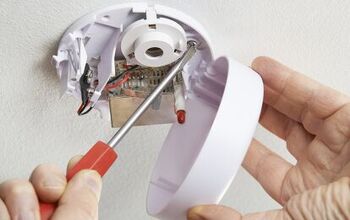
There’s no way to know that carbon monoxide is present in your home without a carbon monoxide detector. You must regularly replace the batteries in your carbon monoxide detector to stay safe in your home. Ideally, you should replace the batteries every 6-12 months, and replace the detector itself every 5-7 years or as needed.
6. Puddles Form In Front Of Your Furnace
Puddles can form in front of your furnace for many reasons, including a clogged condensate line. That problem is innocent enough in most cases, but it can sometimes indicate that your heat exchanger is failing. You can tell your heat exchanger is to blame if the condensate drain line is fine.
Water can leak from a heat exchanger due to cracks, worn seals, damaged gaskets, and excessive pressure. Excessive corrosion can also make your heat exchanger leak, as condensation can seep out of hairline cracks. It’s better to be safe than sorry, so you should call a professional HVAC technician to diagnose and fix the problem.
7. The Unit Is Clogged
Like many other HVAC fixtures, a heat exchanger can get clogged with debris, and its performance will suffer. Clogs can form due to rust from corrosion, mineral deposits, dust, algae, and dirt. Mineral deposits are especially common in homes with hard water, and there’s only so much you can do to avoid this problem.
Not everyone can justify installing a water softener, as they can cost thousands of dollars. Some heat exchangers are designed to trap debris and stop it from disrupting the unit’s operation. However, severe clogs can damage your heat exchanger to the point that you must replace it. That’s especially true in the case of excessive corrosion and hard mineral deposits, both of which can cause long-lasting damage. If your heat exchanger is heavily corroded, the problem will likely only worsen over time.
How Long Do Heat Exchangers Last?
Heat exchangers typically last 15 to 20 years, which is roughly as long as most furnaces last. Many people don’t need to replace a heat exchanger until it’s time to replace their furnace. Basic furnace maintenance can help ensure that your heat exchanger lasts a long time.
For example, replacing your furnace filter every 30-90 days can help ensure the heat exchanger doesn’t overheat. Overheating is one of the biggest causes of heat exchanger cracks, so routine filter replacements are essential. You can also help the heat exchanger llast a long time by scheduling yearly furnace tune-ups. During these tune-ups, the HVAC technician will clean the furnace and its components and inspect the heat exchanger. This inspection can reveal problems before they become serious and help you extend your heat exchanger’s lifespan.
How Much Does It Cost To Replace A Heat Exchanger?
You can expect to spend between $1,000 and $3,500 to replace a heat exchanger. The cost varies based on many factors, including parts, labor, and the type of unit you choose. Naturally, you must pay extra for a secondary heat exchanger, which adds up to $800 to the cost.
You need a secondary heat exchanger if you have a modern high-efficiency condensing furnace. Adding a second heat exchanger will add to the cost of parts and labor. The extra cost can be annoying, but having a second heat exchanger can improve your furnace’s efficiency.
Summing It Up
Abnormal sounds, foul odors, and soot on or near your furnace’s burners can indicate heat exchanger failure. Puddles in front of your furnace can also sometimes indicate that something is wrong with your heat exchanger. A crack is the biggest and most serious sign of a heat exchanger failure, and it requires immediate attention.
Related Guides:
Nick Durante is a professional writer with a primary focus on home improvement. When he is not writing about home improvement or taking on projects around the house, he likes to read and create art. He is always looking towards the newest trends in home improvement.
More by Nick Durante


![10 Best Cordless Leaf Blowers – [2022 Reviews & Ultimate Guide]](https://cdn-fastly.upgradedhome.com/media/2023/07/31/9070789/10-best-cordless-leaf-blowers-2022-reviews-ultimate-guide.jpg?size=350x220)
![10 Best Scroll Saws for 2022 [Ultimate Reviews & Buyer's Guide]](https://cdn-fastly.upgradedhome.com/media/2023/07/31/9070684/10-best-scroll-saws-for-2022-ultimate-reviews-buyer-s-guide.jpg?size=350x220)