

Why Quiet Luxury Is Turning Heads In Home Design

People are getting tired of out-of-touch influencers showing off their supposed wealth with designer logos and private-jet photos. The thing is, that private jet could be in a rented studio, and those designer duds are getting returned after the video posts. Quiet luxury is the new fashion, and it’s carrying over into home design.
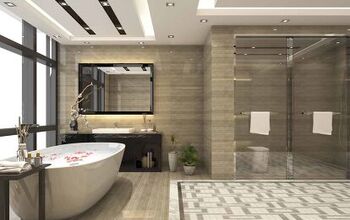
People appreciate the sophisticated atmosphere that quiet luxury creates and how it emphasizes thoughtful design choices. It’s about craftsmanship, timeless pieces, and sustainability, rather than filling a home with the latest passing trends and tons of stuff. Quiet luxury takes a less-is-more approach and offers an enduring style you don’t have to change every year.
The overall feeling is that people who enjoy true wealth don’t need to show it off at every turn. The designer elements are subtle, and home decor features a few quality pieces rather than an excessive amount of stuff.
Focuses On Quality, Not Quantity
Quiet luxury is capturing everyone’s attention and encouraging people to apply it to their own designs. One of the biggest components is to focus on craftsmanship and high-quality materials rather than cheaper, superfluous accessories and furniture. Instead of showing off how many things you have, focus on a few quality items. Take more time to be intentional with the pieces you choose for your home, opting for things that reflect your style.
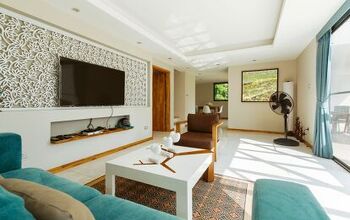
There is something to be said for the whole “you get what you pay for” adage. This doesn’t mean that everything you buy needs to be expensive, but investing in a quality sofa is a wise choice because it’s something you’ll likely have for quite some time. It’s furniture that many people will sit on and use repeatedly. You could go for the more affordable route on something like a cute accent table in the living room. In other words, be discerning with where you put your money, and don’t feel as if you need to fill your home to the brim.
Creates A Sophisticated And Serene Atmosphere
There are several advantages when you decide not to showcase wealth through excess. You end up with less clutter and owning fewer, higher-quality things creates a more sophisticated feel in your home. Plus, when you invest in good pieces, they’ll last longer. Increased durability and easier-to-clean fabrics and materials make life less stressful and a more peaceful living space.
With this design trend, you end up expressing your sense of style and a luxurious vibe through subtle elegance rather than an ostentatious display. You feel lighter. ILife's easier when you don’t need to keep up with the Joneses or maintain some inflated, exaggerated image of wealth.
Leans Toward Simplicity
Another reason so many people are adopting quiet luxury is that it aligns well with another favored idea: intentional minimalism. The idea that less is more, and you don’t need a lot of stuff to make your life worthwhile or fulfilling, is empowering and freeing. If you’re careful with your finances, you’re more intentional with the items you choose.
Putting your designated design funds to quality pieces means, by default, you won’t end up with excess, which also helps keep clutter to a minimum. Striving for quiet luxury in your home carries over to other areas, too. For example, choosing quality clothing instead of constantly chasing fast fashion. You spring for the nicer set of knives instead of filling your drawer with a bunch of cheaper ones that get dull after a few months. Owning a few top-tier items have a more lasting, positive impact than cheaping out on a hundred trendy ones.
Offers Enduring Style
One of the biggest reasons quiet luxury is becoming so popular in home design is its focus on timelessness. Instead of chasing every new trend, homeowners are investing in pieces that look beautiful year after year. This more thoughtful approach helps create a home that feels carefully curated rather than constantly changing to keep up with the latest fad. Trends come and go, and what is in one year may be out the next. If you constantly update your home to be on trend, it’s expensive and exhausting. Quiet luxury avoids this cycle by focusing on classic design elements that have lasting appeal.
A well-crafted wood dining table and beautiful stone countertops have staying power. They blend seamlessly with multiple styles, keeping pace with changing accents and decor. You can refresh your home without completely redesigning it. Timeless design also creates an aura of stability and comfort within your home. When trends don’t dominate your house, it tends to feel calmer and more welcoming. It also enables you to create a space that reflects your personality rather than someone elses.
In addition to the authenticity that makes quiet luxury so appealing, there’s also a financial benefit. Timeless pieces remain relevant longer and often provide better long-term value. You'll spend more in the beginning, but you’ll frequently save money in the long run when you don’t need to replace furniture and decor every year. In many cases, you can pass quality pieces down to future generations, making them meaningful family heirlooms rather than disposable purchases.
Encourages Sustainability
Another reason this design trend is resonating with so many people is its natural connection to sustainability. Consumers are focusing more on environmental issues, and many are looking for ways to reduce waste. One way to do this is to make more responsible purchasing decisions. Quiet luxury supports this goal by encouraging people to buy fewer, better-made items that are built to last.
Fast furniture has become the home design equivalent of fast fashion. Many inexpensive pieces are manufactured quickly using lower-quality materials, which you end up needing to replace after only a few years. Unfortunately, this leads to significant waste when damaged and outdated furniture ends up in landfills.
With quiet luxury, instead of purchasing multiple inexpensive pieces over time, you invest in durable furniture and decor. Solid wood, natural stone, wool, linen, and other long-lasting materials tend to age gracefully, and you can often repair them rather than replace them.
Sustainability also extends to the design process. There’s less consumption and a smaller environmental impact. Many people who embrace this style also appreciate vintage furniture, secondhand shopping, or scoping out estate sales. This reduces the demand for mass-produced goods and adds a unique character to your home. A vintage dresser restored with care often brings more personality and craftsmanship to a space than a brand-new piece manufactured in large quantities. Your home gets to stand out in a good way, and you get to do something good for the earth.
Think About The Impression You Want To Make
Quiet luxury is more than a design trend—it's a mindset. It encourages homeowners to prioritize quality, craftsmanship, and intentionality over excess and status symbols. Instead of trying to impress others with expensive-looking purchases or an abundance of decor, it creates spaces that feel authentic, comfortable, and refined.
It’s not about flashy wealth. On the contrary, it exudes an atmosphere of subtle sophistication. Every choice is deliberate with a clear purpose. The result is a home that reflects your taste and maintains a sense of harmony. The focus on quality, simplicity, timeless design, and sustainability offers benefits that extend far beyond aesthetics. In a world that often feels noisy, crowded, and overwhelming, quiet luxury offers a welcome reprieve. It’s a design choice that proves the most powerful statement sometimes comes as a whisper.
Related Guides:

Stacy Randall is a wife, mother, and freelance writer from NOLA that has always had a love for DIY projects, home organization, and making spaces beautiful. Together with her husband, she has been spending the last several years lovingly renovating her grandparent's former home, making it their own and learning a lot about life along the way.
More by Stacy Randall