

What Does Your Home Design Say About You?

Have you ever thought about the impression your home makes on people? Not about the house itself, but about you? The way you design your home provides plenty of clues to your personality and how you live life.
Your home’s colors, layout, organization, comforts, possessions, smells, sounds, and outdoor space all contribute to peoples' impression you. Your design choices combine to create a picture of your personality, whether it’s accurate or the one you hope to convey. In many cases, it isn’t necessarily individual choices, but how everything comes together that says the most about you.
The next time you invite a friend over, ask them whether your home supports their who you are. It could be right on the money or a real eye-opener.
Your Home Holds Many Clues To Who You Are
Think about when you first started designing your home. Why did you choose the things you did? It was probably because you liked the colors, decor, furniture, or textures. Something about these things spoke to you, so you included them. Current trends also influence a person's design schemes. Ultimately, the choices you make are often a reflection of who you are. Some of the most revealing details may be the ones you barely notice anymore. What you choose to display, and even unfinished projects can all contribute to what your home says about you.
The Colors You Choose
How do the colors in your home make you feel? Are they peaceful, playful, moody, inviting? Often, what you select for your home reveals a lot about you through the overall mood they create. Neutrals show that you appreciate simplicity and like things to be calm. If you fill your home with rich, vibrant colors, visitors may sense that you’re more energetic or expressive.
Varying colors from room to room says something. Subdued colors in the bedroom and lively ones in the living room is telling. It could mean you enjoy entertaining and a little excitement, but you also enjoy a serene retreat. This doesn’t necessarily mean if you pick neutrals, you’re an introvert, or that bright colors make you an extrovert. It simply means the mood you’re trying to evoke with your color scheme provides a critical clue into your personality.
The Layout
The way you arrange your furniture and your home’s layout can say a lot about you, too. Setting up zones in your living room for conversation or playing games can mean you love socializing. Do you have a few cozy book nooks woven throughout your spaces? You may appreciate calm, quiet moments to yourself.
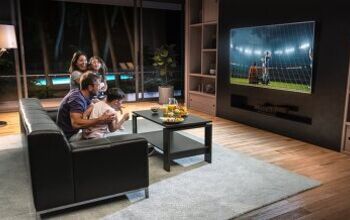
A living room centered around a TV might suggest that you love movies, sports, or simply vegging on the couch at home. A more open layout could suggest you prize togetherness or flexibility. However, more clearly defined spaces tells a different story. You may prefer boundaries or like things to be a bit more precise.
How Things Function In Your Home
When it comes to design, it isn’t all about looks. Function is a huge part of the process, and how much you pay attention to it says a lot about you. A home can look amazing, yet function poorly, and a home that might not be aesthetically pleasing, can be incredibly practical and efficient. Your approach to functionality can reveal your priorities.
Think about some of the choices you make. Do you choose furniture with hidden storage? Try to keep things within easy reach? Design spaces around hobbies or routines? What’s your biggest priority when you design your home? Is it appearance or convenience? Should everything you have be useful, or do you have some items solely for looks? If your things revolve around how you live your life, it can suggest that you value practicality. If things aren’t super functional, but look impeccable, that says something very different.
The Organization (Or Lack Thereof)
An organized home isn’t always about being neat or messy. It’s more about showing your priorities. A preference for structure, planning, and control indicates you likely have a highly organized home. Visitors enter and see a streamlined space, labels on bins, coordinated storage, and clear surfaces. This reflects a desire to reduce visual and mental clutter.
A less organized home isn't necessarily a sign of laziness. Perhaps you prioritize creativity. Or maybe you don’t want to spend your free time putting everything into specific containers. A little disorder can also indicate that you’re actively using and living in a space. You don’t have rooms like a formal dining room that you only use once a year.
Signs Of Other People And Pets
A practical clue your home reveals about your life is how many people live there. When visitors see multiple backpacks by the door, it could indicate that there are kids. Pet dishes in the kitchen indicate a dog or cat. Coats over chairs, kids’ bedrooms, homework papers on the table, different sizes of shoes by the front door. All of these are clues as to who lives in the home.
Comfort Vibe
Your home’s lighting, furniture arrangement, and overall feel create a level of comfort that people experience as soon as they enter. Think about how you feel when you go into a fancy, upscale restaurant. You speak in a quieter voice, move more slowly, and sit up straight.
When you enter a diner, however, you raise your voice over the friendly chatter and clatter of silverware and relax in the booth. Your house can make people do the same thing, depending on how you design it. What happens when people come over? Do they feel as if they can’t sit anywhere or touch anything, or do they kick back and sit on the couch?
The Kitchen
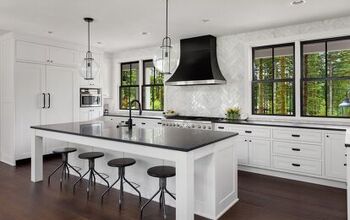
You know what they say about the kitchen; it’s the heart of the home and so, this room in particular can tell a lot about a person. A well-stocked kitchen with ingredients, cooking equipment, and well-used appliances could suggest you enjoy preparing food and entertaining.
A simpler set up with few appliances or staples might indicate a preference for convenience or eating out. A spotless space may reflect a love of order, or that the kitchen is only for cooking, while a busy countertop might show that much more goes on in the kitchen. For example, it's the go-to spot for homework, games, and family meetings.
The Things You Display
The items you choose to decorate with are a big clue to your personality. Artwork can reveal your taste and interests. Books hint at what you enjoy learning about. Travel souvenirs show that experiences matter to you. Family photographs may indicate sentimentality, and carefully selected decorative objects may reflect an appreciation for design.
Materials And Textures
You might not consciously think about what your fur throw blanket or glass-top table says about you. They contribute to your home’s sensory experience, which also gives a glimpse into your personality. The various textures you choose give character to your home and say a lot about you. Wood, leather, velvet, wicker, cotton, and even plastic, offer distinct sensations and interactions.
Natural materials and rich fabrics tend to create a warm, inviting ambiance. People might get the impression that you’re laid-back or carefree. On the other hand, sleek surfaces often create a more contemporary feel, which could suggest you’re a bit more meticulous.
What You Have (And Don’t Have)
Do you have a dedicated home gym? This shows you prioritize health and fitness. Is there a home office because you work remotely? Crafting supplies, tons of board games, or musical instruments all give hints to what your hobbies are and how you spend your time.
Sometimes what you don’t have in your home says just as much about what you do have. No TV in the family room is a big clue. It can tell others that you value conversation, connection, or game nights over movie nights. The amount of stuff you own can also say something. A minimalist home may reflect a desire for simplicity. But many collections may reflect someone who enjoys history, hobbies, nostalgia, or discovery.
Sounds And Smells
Design isn't purely visual. Your home also creates an atmosphere through sounds and scents. Music playing in the background can make a home feel lively or relaxed. Noise from a television, children playing, a dog barking, or complete quiet can each create different impressions.
Smell works similarly. Fresh coffee, cooking aromas, candles, flowers, cleaning products, or nothing particularly noticeable can all contribute to how a space feels. These details may be temporary, but they can strongly influence the experience of being in your home and help visitors assess more about who you are.
Outdoor Space
If you have a yard, balcony, patio, porch, or garden, the way you use it can offer another glimpse into your lifestyle. A carefully maintained garden might reflect patience and a love of nature. A comfortable patio may indicate that you enjoy entertaining outdoors. Even a neglected outdoor area can tell a story. Perhaps outdoor maintenance simply isn't a priority, or you would rather spend your time elsewhere.
Can You Create A Persona Through Your Home?
If home design reflects who you are, you could theoretically design it to shape how people see you. It’s kind of like the saying, “Dress for the job you want, not the job you have.” Could that same concept apply to home design? Maybe.
The only thing is, you have to live in your house every day, so you likely want it to at least feel like it’s yours. Your home should be a place where you feel comfortable and enjoy spending time.
Designing it in a way that runs contrary to what you actually prefer could make you feel like a stranger in your own living room. If you’re going to rig your interior design scheme to influence how people see you, do so slowly and modestly. Think more about how you want your life to look and make choices that support that vision.
To encourage more family conversations, move the TV to a smaller room rather than keeping it front and center in the family room. Want to read more? Choose a cozy bedroom corner for a small bookshelf, chair, and lamp. These choices come from your goals and hopes, not trying to design your home to influence other people’s impressions.
Let Your Home Tell Your Story
No single decorating choice can tell someone everything about you. Plus, you likely make decisions based on budget, space, children, pets, work, and other necessities. Still, when you look at your home as a whole, patterns begin to emerge. It isn’t one color, or a piece of furniture, or a single decorating decision that captures your personality. It’s how everything comes together that's most telling. Take another look around your home. What does it say about you? More importantly, does it say what you want it to?
Related Guides:

Stacy Randall is a wife, mother, and freelance writer from NOLA that has always had a love for DIY projects, home organization, and making spaces beautiful. Together with her husband, she has been spending the last several years lovingly renovating her grandparent's former home, making it their own and learning a lot about life along the way.
More by Stacy Randall


![The 5 Best Angle Grinders – [2022 Reviews & Buyer's Guide]](https://cdn-fastly.upgradedhome.com/media/2023/07/31/9071326/the-5-best-angle-grinders-2022-reviews-buyer-s-guide.jpg?size=350x220)
![How Much Weight Can a 4×4 Support Horizontally? [It Depends!]](https://cdn-fastly.upgradedhome.com/media/2023/07/31/9070333/how-much-weight-can-a-44-support-horizontally-it-depends.jpg?size=350x220)
![The 10 Best Table Saws - [2022 Reviews & Buyer's Guide]](https://cdn-fastly.upgradedhome.com/media/2023/07/31/9070645/the-10-best-table-saws-2022-reviews-buyer-s-guide.jpg?size=350x220)