Do Mini Fridges Use A Lot Of Electricity?

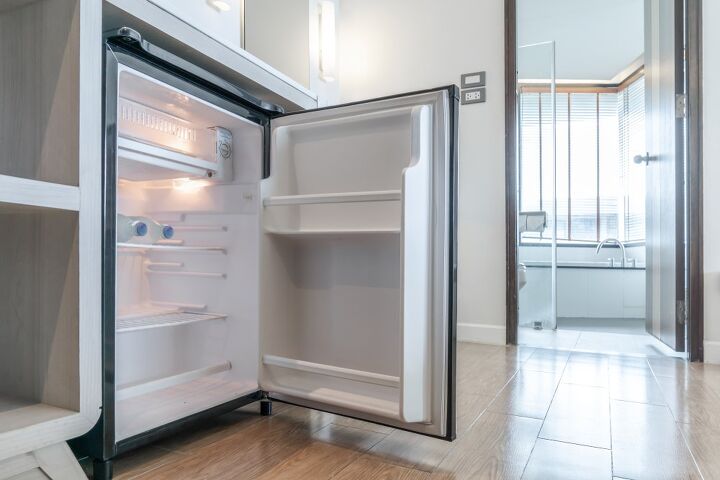
Having a mini fridge is a great way to add a little extra food storage space in your home. They can really come in handy on holidays or in proportion for a summer barbecue. But whether you have a mini fridge in your room or by your pool area, you might look at it from time to time and wonder exactly how much money it is costing you to keep the mini fridge plugged in.
A mini fridge uses between 60 and 70 watts of power, and between 200 and 280 kilo-Watt-hours per year. This translates to your mini fridge costing between an average of $25 to $40 per year to run. The amount of electricity a mini fridge uses depends on several factors including its size, age, temperature setting, location, and how often it is opened and closed.
A mini fridge is a small luxury that can add a lot of convenience to your life. If you want a mini fridge but are trying to save on electricity, you should know there are several factors that impact how much energy a mini fridge uses. There are also ways to help decrease the amount of money it costs to run your mini fridge each month.
How Much Power Does A Mini Fridge Use?
While there are several variables, on average a mini fridge uses between 200 and 280 kilo-Watt-hours (kWh) per year. In order to know your mini fridges electrical usage you just need to estimate how often it is running and find out how many watts of energy it uses.
Your mini fridge uses about 60 to 70 watts of power whenever it is running. Usually you should not have to guess this number. There should be a label on your fridge showing its usage, often labeled “rated input.” You can also look up the average energy usage of your specific make and model online and find an accurate number.
The Cost Of A Mini Fridge Per Year
While it is nice to know the exact wattage and energy consumption of your mini fridge, what you really want to know is how much it costs you to run. This depends on several factors of course. Perhaps the biggest factor is the cost of energy. We live in a time where energy costs can change seemingly overnight, so numbers can always shift.
Still, taking all variables into consideration, it costs between $25 to $40 per year to run your mini fridge. In the long run, this is not a major expense and it might even be less than you had thought. But this number is only accurate if you are using your fridge efficiently. In order to get a better understanding as to whether your mini drive falls in the higher or lower end of energy usage, you need to understand the factors that affect how much energy your mini fridge uses.
Six Factors That Affect The Electricity Your Mini Fridge Uses
1. The Make And Model
The exact type of fridge you buy is often a major factor in how much energy your mini fridge takes up. Some more state-of-the-art mini fridges with energy-saving benefits are higher functioning while using a fraction of the energy of a cheaper less energy efficient model.
Pro Tip: Look for the energy star seal. This seal is given by the EPA to devices proven to save money and use less energy over time.
2. How New Or Old The Fridge Is
Your mini fridge’s age also impacts how much energy it uses. Like most things, when you first buy a mini fridge, it functions at its optimum level. Over time, it takes more work to do the same functions. Meanwhile, more efficient models are being produced. In other words, the older the fridge often (but not always) the more energy it uses.
3. How Full The Fridge Is
What you have in your fridge also makes a difference when it comes to energy usage. An empty fridge requires very little energy to maintain its temperature. If it is well insulated, its job is pretty much done once it reaches its goal temperature. If a fridge is full to capacity, it needs to keep all these items at the set temperature, which requires more energy – especially if the fridge is opened frequently.
4. Where The Fridge Is Located
You also need to consider the location of the mini fridge. When you keep your fridge in a cool dark basement, its job is probably pretty easy, other than in a few hot summer months. If your fridge is in your pool area, however, it has to work harder. If your mini fridge is in a hot area and exposed to sun, it will use more electricity to maintain the same temperature.
5. The Temperature You Set The Fridge At
You also need to consider the temperature you set your fridge at. There is a reason when you check into most hotels, the fridge is at its warmest setting. The colder you set your fridge, the more energy it uses over time.
6. Size Matters
The reason mini fridges cost less to run than full-scale refrigerators is that they are smaller. This reasoning also translates within the size of mini-fridges. If you have a tiny mini fridge, it is going to take up much less space than a fridge double its size. Think about exactly how much space you need for your mini fridge, and try not to go much bigger than that if you want to save on electricity.
Ways To Lower Energy Your Mini Fridge Uses
If your breath was taken away the last time you checked your energy bill, you now like one of many people trying to lower his or her energy usage around the home. While mini fridges are rarely the biggest energy using devices in the room, their costs can add up over time. Luckily, there are several ways to lower your mini fridges electricity usage.
Upgrade To An Energy Efficient Fridge
You might think your rusty old fridge is still doing its job, but believe it or not, you might end up saving money by getting a new and improved fridge. If your old fridge is getting louder, and the door is not sealing shut as well as it used to, it is most likely time to invest in an energy-saving new mini fridge.
Don’t OverFill Your Mini Fridge
As a rule, only put what you need in your fridge. Resist the urge to fill it to the brim with canned beverages and items that don’t need refrigeration at all times. Stock the fridge when you are going to use it, and keep it more empty when you don’t. This will put less strain on the machine and won’t require it to work as hard to maintain its temperature.
Unplug It When Not In Use
It might seem like common sense to turn off a mini fridge when you are not using it. However, many people leave mini fridges on when they are not in use. If you only have a couple items in your mini fridge, see if you can relocate them to the main fridge. Or if your mini fridge is by your pool area and is filled with beverages, consider only plugging it in when you also turn on your pool heater or anticipate company. This will save you money and give the mini fridge a break.
Check The Coils
The fridge coils on the back of most fridges are what do a lot of the work to keep your fridge cool. These coils can get caked up with dirt and dust. This is particularly true if it is near a drier or outdoors. See if you can wipe these coils down, as dirty coils force the machine to work harder (and use more electricity) to do the same job.
Set The Fridge To A Warmer Temperature
Colder is not always better. You do not need to have your mini fridge lingering just about 32 degrees fahrenheit. Try to maintain it at a safe temperature for all the food and beverage it is holding, but you don’t need to overdo it. The lower the temperature you program your mini fridge, the higher your energy costs will be.
Organize The Items Inside Your Mini Fridge
If you are trying to cut down on how much electricity your mini fridge uses, you want to keep it closed as much as possible. One way of doing this is by organizing the fridge and its drawers. When you do this, you can find things much quicker and limit the amount of time your fridge is open.
Closing The Conversation On Mini Fridges’ Electricity Usage
On average, your mini fridge will cost you between $25 and $50 a year to run. There are, however, several factors that impact this number. Whether your fridge is big or small, where it is located, the temperature it is set, and how often it is used all impact a mini fridge’s electricity usage. If you are looking to cut cost, you might want to buy an energy star mini fridge. You can also set the temperature a bit higher. Remember to unplug your mini fridge when you aren’t using it.
Tom Gaffey is an expert writer who currently resides in Washington D.C. Tom has a passion for real estate and home improvement writing, as well as travel and lifestyle writing. He lived the last twelve years in Hawaii where he worked closely with luxury resorts and event planners, mastering his knowledge of aesthetics and luxury products. This is where he found his passion for home improvement and a keen interest in DIY projects. Currently, Tom resides in Washington D.C, and also working on his debut fiction novel.
More by Tom Gaffey




![The 10 Best Table Saws - [2022 Reviews & Buyer's Guide]](https://cdn-fastly.upgradedhome.com/media/2023/07/31/9070645/the-10-best-table-saws-2022-reviews-buyer-s-guide.jpg?size=350x220)