

How Long Can Roof Sheathing Be Exposed? (Find Out Now!)
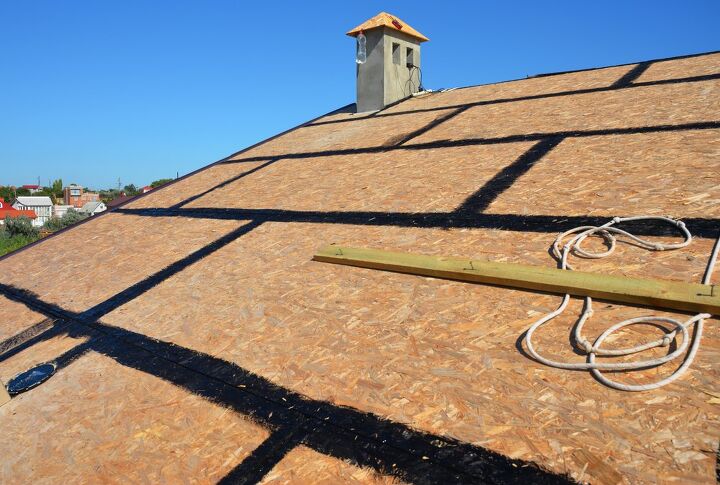
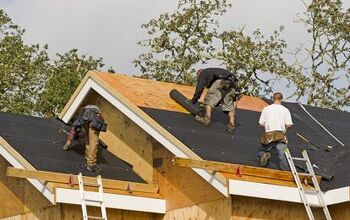
Roof sheathing is typically a wooden layer that connects your trusses to your roof’s outermost material, e.g. asphalt shingles. Roof sheathing is usually made of plywood or oriented strand board (OSB). Other materials may be used for different buildings, but these two are the most common for residential homes.
If you are considering replacing your roof, get a quote from local contractors in your area here.
It sometimes takes up to a year to build a house. You might wonder how long your roof sheathing can be exposed to the weather. If the forecast is heavy rain for days on end, will your sheathing make it?
Roof sheathing can be exposed to the elements if it maintains a 20% moisture level in the end. Although most OSB and plywood sheathing are weather-resistant, it’s best to cover wood sheathing until you are ready to frame. Professional builders commonly use water-resistant or waterproof covers if construction is delayed due to bad weather conditions.
Most roof sheathing can handle at least temporary exposure to the elements. Also known as roof decking, roof sheathing plays an integral role in your roof’s foundation and durability. Our guide coves everything you need to know about this crucial roof layer.
Do You Need Roofing, Siding, or Gutter Installers?
Get free, zero-commitment quotes from pro contractors near you.

What is the Purpose of Roof Sheathing?
Whether you’re sheathing a roof by yourself or hiring a contractor, it’s important to know why this step matters.
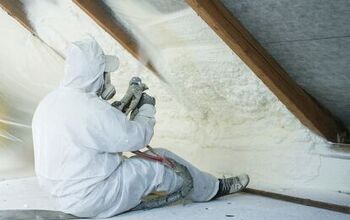
Sheathing serves various purposes like creating a support for subsequent roof layers, insulating your home, and strengthening your roof. It also helps keep your home fireproof, thanks to fire-retardant treatments.
What Are the Different Types of Roof Sheathing?
Roof decking differs in their weather resistance ratings, their materials, and what type of buildings they’re designed for.
Plywood
Plywood is common roofing material. It’s made by gluing wood sheets together, creating a thick plank that’s less likely to warp. A standout advantage to choosing plywood is that it’s designed to keep out moisture, which can cause wood rot.
Note that CDX is a type of plywood that’s made to withstand moisture, but only for a temporary period. It is fast-drying and may be a sensible choice if you want to keep roof sheathing costs low.
OSB
OSB is created by combining wood chips (wood fragments) and glue together to form a product similar to plywood. This mix renders OSB more moisture-resistant than plywood. One caveat is OSB takes longer to dry out than plywood.
Concrete
Concrete decking is a favorite among sustainability-minded builders for its heavy-duty capacity and no-fuss maintenance. It can be poured onto steel panels or a steel system or arranged as pre-cast panels.
Roof Sheathing Bond Classifications
This classification analyzes how well the glue holds the wood materials together in the presence of water. Roof sheathing is rated either Exposure 1 or Exterior Grade. The best type for you depends on how long your home construction may take or what your climate is.
Exposure 1
An Exposure 1 classification means the sheathing material can tolerate weather conditions like increased humidity without breaking down. Nevertheless, experts recommend covering up your materials until you are ready to use them.
Exterior Grade
An Exterior classification means the sheathing material’s glue is waterproof. These panels can endure longer periods of time in bad weather like rain. Both plywood and OSB can be rated Exterior.
How Long Can OSB Be Exposed to the Elements?
Any exterior-grade OSB is made to withstand long periods of time exposed to the elements. However, OSB tends to hold onto water when it takes it in. This may delay work time further, as you must wait for the wood to reach its original moisture levels.
How Long Can Plywood Roof Sheathing Be Exposed to the Elements?
Most plywood is rated Exposure 1, so these panels are not intended to endure long weather exposures. However, certain treated plywood brands are designed to be waterproof.
Effects of Sun Exposure on Sheathing
Heat can make roof decking expand. This can erode sealants on a completed roof, creating points of entry for water and humidity. As a result, mold or mildew may form in your home.
Effects of Rain/Moisture on Sheathing
Rain or high moisture levels can cause roof sheathing to expand and shrink as it gains and loses moisture. If your materials are left in standing water for too long, they can become unusable. Wood rot can set in, which affects the materials’ structural integrity.
Delamination can also occur when your sheathing is exposed to heat and moisture. Trapped moisture inside the wood can cause the material to expand and undermine its structure.
Cosmetic Damage to Sheathing From Elements Exposure
Not all damage from weather exposure affects your materials’ quality, however. For instance, early signs of wood rot can be cleaned or treated.
Checking
This is common in veneer plywoods. It’s what happens when the wood fibers separate in the same direction as the plywood veneer grain. It happens naturally, and it can also happen when your roof decking is left out uncovered.
Flaking/Fraying
Your boards or panels may start to flake or shed strands. This results in an uneven or rough apperance, but it doesn’t affect durability.
What Moisture Level is Too Much?
Your roof sheathing’s moisture level should fall between 18 to 21%. Hence, about 20% is a good rule of thumb. If any panels or veneers get wet, they must dry before you begin work with them again.
Do You Need Roofing, Siding, or Gutter Installers?
Get free, zero-commitment quotes from pro contractors near you.
Related Questions
How thick should my roof sheathing be?
Most home experts say your roof decking should be ⅝” inches thick.
How do I know if my roof sheathing is bad?
Your roof sheathing will show signs of stress or extreme wear and tear.
- Holes or breaks
- Wood rot, mold, or mildew in the attic
- New leaks and other water damage
- A sagging/bowed roof
The average cost for a homeowner to replace plywood roof sheathing is $1,050, which includes materials and labor. The total depends on your material, roof size, and local services available.
Related Guide
UpgradedHome participates in affiliate programs. When you purchase through our links, we may earn a commission.

We are a team of passionate homeowners, home improvement pros, and DIY enthusiasts who enjoy sharing home improvement, housekeeping, decorating, and more with other homeowners! Whether you're looking for a step-by-step guide on fixing an appliance or the cost of installing a fence, we've here to help.
More by Upgraded Home Team