

Ways To Prepare For The Next Big Winter Storm


Blizzards and other winter storms are natural phenomena you should never underestimate. The combination of snow, ice, and frigid temperatures often causes power outages, treacherous driving conditions, and life-threatening temperatures. To ensure you don’t find yourself in a dangerous situation, you must know all the ways to prepare your home before a winter storm hits.
When a major winter storm is forecast, ensure your home is properly insulated, inspect gutters, and remove debris. Replenish your first aid kit, stock up on essential medicines, and purchase enough non-perishable food and water to last at least a week. Prepare flashlights, and test your generator if you have one. Gas up your car, check your carbon monoxide detector, and have warm clothes and blankets readily available.
Getting snowed in can be scary and isolating, but it doesn’t have to be. If you take the necessary steps to prepare for a major winter storm, you are sure to have a safer, more enjoyable experience. If you live in a region where blizzards and cold snaps are common, then keep reading to learn all the best ways to prepare yourself and your home before dangerous winter weather arrives.
16 Ways To Prepare For A Winter Storm
1. Inspect And Clean Gutters
As a dangerous winter storm approaches, one of the first places in your house to inspect and secure is your gutters. Before the weather turns, get on a ladder to inspect the gutters for damage and make any needed improvements. As well, ensure your gutters are clean and free of debris. If they are clogged or damaged, you risk significant roof damage, leaks, and even a roof collapse.
2. Insulate And Prepare The Pipes
Whenever you see a forecast calling for temperatures well below freezing, you must prepare your pipes to prevent freezing. First, ensure the interior of your home stays above 55 degrees, ideally much warmer, as cold weather approaches. Open cabinets and areas where the pipes are exposed to allow warm air to reach the pipes. Once temperatures drop into the deep freeze, have water drip slowly from your faucet. The constant flow of water will prevent it from turning to ice.
3. Find Ways To Improve Insulation
Power outages are one of the most dangerous effects of winter storms. In some cases, you may lose power and heat. To ensure the temperature inside your home doesn’t dip to dangerous lows, you need to insulate it as much as possible. Before the storm arrives, look for cracks and vulnerabilities and apply caulk to them. Next, consider adding weatherstripping and plastic sheeting to doors and windows to help trap heat. When your home is well-insulated, it will be much easier to stay warm during a power outage.
4. Replenish First Aid Kit
Every home should have a first aid kit. But just because you have a kit with emergency medical supplies, it doesn’t mean it’s well-stocked. Scrapes, burns, and other injuries can occur during a winter storm, which means you need comprehensive emergency supplies within reach. Go through your first-aid kit and add anything missing. Check expiration dates on lotions, ointments, and other products to ensure they are still usable.
5. Stock Up On Your Medications
If you take certain medicines daily, you must have at least a month's supply before a storm rolls in. In the event of a blizzard or ice storm, you may find it impossible to leave the house. As well, your local pharmacy may close for several days after a storm, making it impossible to get the medications you need to stay healthy. Having a 30-day supply of all your meds ensures you won’t have to deal with this stressful situation.
6. Fill Jugs With Potable Water
Before a deep freeze arrives, you need to stock up on water. It’s a good idea to get bottled water so you have plenty of fluids to drink during and after the storm. You should also fill all the large water jugs you have with potable water.
If your pipes freeze or there is a watermain issue after a cold snap, you must have ample water to cook and clean.
7. Test And Prepare Your Generator
A generator can be a lifesaver during and after a winter storm. These machines can power your home, allowing you to heat it, cook, and charge electronics. But a generator is only an asset if it’s functioning properly. If extreme winter weather is coming your way, run your generator in advance to ensure it functions flawlessly. Additionally, plan where you want to stage the generator, as you must run it outside to prevent toxic carbon monoxide from entering your home.
8. Charge Electronics
Blizzards and ice storms often cause power outages. While you can’t control these outages, you can certainly charge all your electronics before the storm hits. Remember to fully charge your cell phone, rechargeable lights, and other electronics you may need in an emergency. Entertainment devices, including e-readers and gaming consoles, can help combat boredom during a power outage, so make sure you charge them as well.
9. Fill Your Gas Tank
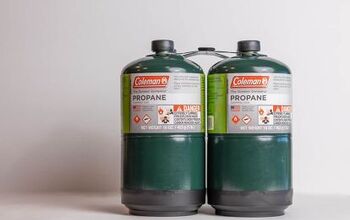
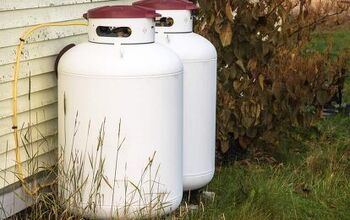
Fuel is essential in the event of a power outage. Before it starts snowing, you should fill your vehicle's gas tank. Running your car during a power outage allows you to charge your phone, warm up, and listen to the radio for important updates. If you have a generator, ensure you have ample fuel to run it. Propane tanks can also come in handy if you need to use an alternative cooking method when the electricity is out.
10. Stock Up On Batteries
Batteries are another important source of energy when you run out of power. They keep your flashlights, lamps, and radio running when you need them most. Don’t rely on old batteries. Instead, have plenty of batteries to last you at least a week.
11. Replenish Non-Perishable Food Items
After a winter storm rolls through your region, you might not be able to leave your home for days. To avoid extreme hunger, ensure your pantry is well-stocked with easy-to-prepare non-perishable items. Canned soups, minute rice, and other fast shelf-stable foods are great to have on hand before a winter storm arrives.
12. Ensure Blankets And Warm Clothes Are Washed and Ready
You’ll never use blankets and warm clothes more than in the aftermath of a winter storm. Since your washer and dryer use electricity, there’s a chance they won’t work after a storm. Have all your blankets and winter clothes clean and readily available before winter weather hits your town.
13. Salt Your Driveway And Sidewalks
Shoveling after a major storm is backbreaking work if you don’t prepare for it in advance. Ice, in particular, is very hard to remove from your sidewalk and driveway. Salting your driveway and sidewalks in preparation for a major snow or ice event can make shoveling much easier.
14. Communicate With Neighbors
In the wake of a major storm, your immediate community becomes immensely important. Your neighbors can be lifelines, and sometimes the only people who can assist you when things go wrong. Communicate with your neighbors in advance, and consider pooling resources. Have an emergency plan, and check in with them in the immediate aftermath of the storm.
15. Ensure Carbon Monoxide Detectors Are Fully Functional
Carbon monoxide poisoning is a very real danger during winter storms. When you lose power and run gas-powered devices near your well-insulated home, carbon monoxide can reach dangerous levels. Before a storm approaches, you must test your carbon monoxide detector to ensure it is functioning properly. If you can’t remember the last time you changed the batteries in this device, do so in advance of the storm.
16. Get Candles Ready
Candles are great to have on hand before a storm. They don’t require batteries and bring a nice ambience to the home, which you'll appreciate when you are stuck indoors for days. Have candles safely staged in the home and a lighter or matches handy so you can quickly and easily light them in the dark.
Summing Up Ways To Prepare For The Next Winter Storm
Extreme winter weather can have catastrophic and even deadly consequences. To ensure you and your home are safe every time a blizzard or ice storm approaches, you must prepare adequately. First, ensure your home is properly insulated and that your gutters are clear and functioning properly. Test your generator and fill your tanks with fuel. Charge your electronics, stock up on batteries, and replenish your first-aid kit. Salt your sidewalks and driveway, and remember to test your carbon monoxide detector before the storm arrives.
Related Guides:
Tom Gaffey is an expert writer who currently resides in Washington D.C. Tom has a passion for real estate and home improvement writing, as well as travel and lifestyle writing. He lived the last twelve years in Hawaii where he worked closely with luxury resorts and event planners, mastering his knowledge of aesthetics and luxury products. This is where he found his passion for home improvement and a keen interest in DIY projects. Currently, Tom resides in Washington D.C, and also working on his debut fiction novel.
More by Tom Gaffey


![How Much Weight Can a 4×4 Support Horizontally? [It Depends!]](https://cdn-fastly.upgradedhome.com/media/2023/07/31/9070333/how-much-weight-can-a-44-support-horizontally-it-depends.jpg?size=350x220)