

Areas Of Your Property To Monitor Closely In A Heat Wave


Many houses, especially older ones, weren’t built to withstand the extreme heat that summer now brings. With heat waves on the rise worldwide, many homes are vulnerable to extreme temperatures. If you live in a region that experiences extreme heat in the summer, you need to know all the places in your home and on your property to keep a close eye on when it gets hot.
Several home appliances are vulnerable during a heat wave, including air conditioners, your entire HVAC system, washer, dryer, and refrigerator. Closely monitor how often you use your stove and oven, as they generate heat and can put extra strain on air conditioning. Check the roof, gutters, window treatments, and driveway when it’s very hot, and ensure your landscaping stays hydrated.
High temperatures don’t only take a toll on the body, they can also wreak havoc on your home. If left unchecked, extreme heat can destroy expensive appliances and cause structural damage, both of which can cost thousands of dollars to fix. To ensure your home is protected next time a heat wave comes your way, recognize the areas of your property you need to monitor when it’s hot.
What To Monitor Closely During A Heat Wave
1. HVAC System
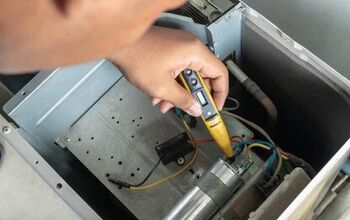
One of the most vulnerable aspects of any home during a heat wave is the air conditioner and entire HVAC system, which are often working nonstop in the summer, making them vulnerable. Add extreme heat to the equation, and you have a recipe for disaster. Keep an eye on the system, paying close attention to abnormalities, strange sounds, or malfunctions. Before a heat wave arrives, perform maintenance, including replacing filters and inspecting the system.
2. Refrigerator And Freezer
Your refrigerator and freezer also run 24/7, and often work harder than ever when it’s hot outside. These appliances use a lot of energy, and your electricity often works harder than ever when it’s very hot outside. Confirm that the fridge and freezer are functioning optimally during a heat wave. Only open them when you know what you're reaching for, and avoid over-crowding the interior space. Ensure the coils are free of dust, and turn off minifridges if they can be emptied.
3. Landscaping
Naturally, your outdoor spaces are the most vulnerable during a heat wave. Plants, grass, bushes, trees and all your landscaping are at risk when extremely high temperatures reach your community. Before a heat wave arrives, prepare your property for high heat. Some great ways to keep plants safe include adding shade, watering your yard thoroughly before it get hot, and every morning before the sun is strong.
4. Thermostat
While your thermostat itself isn’t usually vulnerable when outdoor temperatures soar, it can tell you a lot about whether your home is functioning optimally. Monitor the temperature and humidity in your home closely during a heat wave. If the air conditioner isn’t properly cooling your home, it indicates an issue with your HVAC system. If humidity levels rise, find ways to lower moisture levels inside your dwelling. Fixing these issues as soon as you notice them can help prevent larger issues from arising.
5. Windows
When the weather is mild, you might not notice window cracks and vulnerabilities. Once temperatures skyrocket, however, windows can reveal their weakness by failing to properly insulate your home . Monitor the heat coming from them when it’s very hot outside. Try to find cracks and seal them. You can also cover the windows with drapes, which can make it easier for your air conditioner to cool the home.
6. Roof And Gutters
If you’re experiencing record-breaking temperatures, pay close attention to your roof and gutters. Heat can cause metal to expand, potentially damaging gutters. Strong UV light can also damage the roof, especially if it’s older or poorly installed. Maintain your gutters and roof before the heat wave, and fix any problems you see before it gets too hot.
7. Driveway
Depending on your driveway material, it can be under threat during a heat wave. If it is made of black asphalt, ihigh temperatures can cause asphalt and other materials to expand and even melt, which can permanently damage your driveway. If you notice the driveway asphalt is soft, avoid walking and driving on it. You can also carefully spray water on the surface to lower the temperature and help the material solidify.
8. Items In Your Garage
Your garage can get oppressively hot during hot weather, especially if it’s poorly insulated. If you’re expecting a heat wave and your garage isn’t climate-controlled, move all electronics out of the space. Any materials that can melt or lose their integrity in the heat should also be temporarily relocated until the temperatures decrease.
9. Washer And Dryer
Washers and dryers, especially if stored outside or in a garage, are particularly prone to problems when temperatures rise. Both of these machines generate heat and use a lot of energy. When the surrounding temperatures are high, the machine can struggle to cool down. The overheating can lead to long-lasting problems. Avoid doing laundry during a heat wave. If you must do a load, then do it in the early morning or at night when temperatures are lower.
10. Water Usage
Extreme temperatures are often associated with water shortages. Heat waves often deplete local water reserves, leading to water restrictions. If you’re experiencing a heat wave in your area and a water shortage, carefully monitor your usage. Find ways to conserve water until levels return to normal.
11. Stove And Oven
Your stovetop and oven give off more heat than any other appliance in your home. Using them as little as possible during a heat wave will help keep your kitchen cool. Since your air conditioner is already working hard to cool your home, you should avoid heating it unnecessarily. Instead, find alternative cooking methods that don’t require heating, or barbecue food in advance, before the heat wave arrives.
12. Dehumidifier
While dehumidifiers lower humidity and help your home feel cooler, these machines must be monitored closely during a heat wave. If you don’t have air conditioning, a dehumidifier can quickly overheat, potentially damaging or even destroying the machine. Avoid using your one in a hot space in your home during a heat wave.
13. The Attic
The attic is another area in your home that can get extremely hot during a heat wave. If it’s 100 degrees outside, your attic can reach 130 degrees or more, depending on how it was built. There are many items you should never store in the attic, especially during a heat wave. Remove all electronics, candles, liquids, and any other products that can be damaged when it gets too hot.
14. The Foundation
Your home’s foundation is one of its most important structural elements. Extreme temperature fluctuations, including heat waves, can sometimes damage this integral part of a house. When it gets hot and water is lacking, dirt can shrink away from your foundation. The gap it leaves can cause the concrete to crack and buckle. Keep the soil moist, and monitor the foundation for any new cracks or potential issues.
Summing Areas Of Your Home To Monitor During A Heat Wave
Heat waves can cause serious problems, from health issues to property damage. Whenever high temperatures are forecast, monitor the parts of your home that are most vulnerable to extreme heat. The refrigerator, washer, dryer, and air conditioners are all extremely at risk. You should also keep a close eye on outdoor areas, like the landscaping and driveway.
Your garage and attic can get dangerously hot, so remove all electronics and other items that high temperatures could damage. Avoid using the oven and stove, as they heat your home and make it harder for the air conditioning to function effectively.
Related items:
Tom Gaffey is an expert writer who currently resides in Washington D.C. Tom has a passion for real estate and home improvement writing, as well as travel and lifestyle writing. He lived the last twelve years in Hawaii where he worked closely with luxury resorts and event planners, mastering his knowledge of aesthetics and luxury products. This is where he found his passion for home improvement and a keen interest in DIY projects. Currently, Tom resides in Washington D.C, and also working on his debut fiction novel.
More by Tom Gaffey