Is It Normal To Have Bugs In Compost?

Composting is equally rewarding, exciting, and intimidating, especially if you’re new to it. After all, it takes a lot of preparation, and you must closely monitor it throughout the process, which can raise many questions. So, is it normal to have bugs in compost?
Finding bugs in your compost is normal, and it can indicate a healthy nutrient balance. Bugs and other critters only flock to compost bins if the moisture level is good and it has the right balance of organic matter. Pill bugs, beetles, springtails, and black soldier fly larvae are especially useful for composting.
That said, some bugs, such as cockroaches, are hard to manage and can disrupt your composting process. The last thing you want to deal with is a pest infestation that stems from your compost bin. Follow along as we explore what you need to know about the good and the bad of bugs in your compost.
Is It Okay For Bugs To Be In Compost?
It is okay for bugs to be in compost, and there’s nothing to worry about in many cases. Bugs are an important part of the impressive contest that’s constantly going on in your compost bin. Composting relies on microbes, insects, fungi, bacteria, and arthropods to process organic matter.
If anything, you should worry if you don’t find any bugs in your compost bin. This may indicate that there isn’t a proper nutrient balance in your compost. However, some bugs, such as house flies and cockroaches, are more trouble than they’re worth.
What Bugs Should Be In My Compost?
Any insect or arthropod that breaks organic matter down can benefit your compost bin. That said, finding the right balance and providing a healthy environment for them is critical. Some of the best bugs and other critters for composting include:
Pill Bugs
Armadillidiidae, better known as pill bugs and rolly polies, are great for compost. That’s because they eat organic matter, just like the other organisms in your compost pile. While they're called pill bugs, they’re more closely related to shrimp than insects, as they’re crustaceans.
Pill bugs often enter compost bins while searching for food and shelter, even if it’s by accident. They love dark, moist environments, so compost bins provide the perfect space to eat and reproduce in peace. Don’t panic if you find pill bugs in your compost pile, as they will only help ensure the process goes smoothly.
Slugs
While slugs technically aren’t bugs, the average person probably considers them no different than most bugs. However, slugs are a type of mollusk known as a gastropod, and you should rejoice when you see them in your compost pile. You can tell that your compost bin is doing well if slugs show up, as they won’t enter a bad compost bin.
For example, you won’t find slugs in your compost bin if it’s dry and not doing well. They require a moist environment with plenty of dead organic matter, such as fallen leaves. You should only worry if your compost bin is filled to the brim with slugs, as that can indicate excessive moisture.
Excessive moisture can slow down the decomposition process and deplete the oxygen in the bin. Add some compostable cardboard and straw to your compost bin if you think it’s too moist.
Beetles
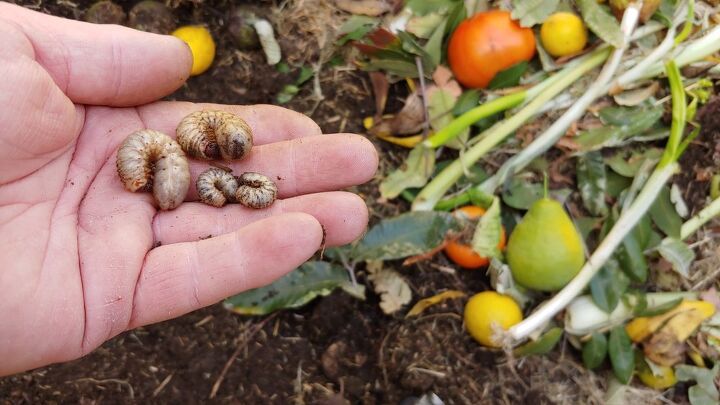
You can consider beetles your personal assistants in your compost bin. Not only are mature beetles helpful, but larval beetle grubs are invaluable for composting. That’s because larval beetles can help expedite the decomposition process in your compost bin, as they must eat organic matter to grow and thrive.
The presence of beetles can demonstrate a healthy balance of bug, animal, and microbial life in your compost bin. Some beetles may also prey upon other bugs in your compost bin, which sounds bad, but is beneficial. That keeps things balanced and ensures no single type of bug or gastropod will grow rampantly in your compost pile.
Springtails
Springtails aren’t classified as insects anymore, but the average homeowner probably thinks of them that way. Regardless, there’s no need to panic if you find a healthy springtail population in your compost bin this year. Springtails are hexapods, and they can help break down the decomposing organic matter in your compost bin.
They also feed on bacteria, fungi, and small organisms in compost, which helps maintain a healthy balance. You should be happy when you find springtails in your compost, as they help infuse it with important nutrients. Finding springtails can typically indicate that your compost will make a great fertilizer when it’s finished.
Black Soldier Fly Larvae
House fly larvae may be bad for composting, but black soldier fly larvae are quite useful. That’s because black soldier fly larvae constantly break organic matter down, which helps ensure a good nutrient balance. However, some people debate whether it’s worth the trouble, as adult black soldier flies are annoying.
That said, some composters recommend putting black soldier fly larvae in a vermicomposting system with red wiggler worms. Black soldier fly larvae are beneficial, but you must watch closely to ensure the population doesn’t grow too big.
What Bugs Should Not Be In Compost?
Termites
You should act quickly if you find termites in your compost bin, even if it is somewhat rare in many places. The biggest risk is that the termites in your compost pile will make their way toward your home. They can also damage your compost bin itself if the frame or lid is made out of wood.
Ideally, you must keep your compost bin away from the tree line if your neighborhood has termites. It’s also a good idea to place your compost bin on an elevated platform. That way, termites cannot climb into it as easily.
Similarly, you must keep a lid on your compost bin most of the time to protect it from termites. Luckily, termites should avoid your compost bin if it’s well-balanced, as a good balance produces a high internal temperature.
House Flies
Nobody likes house flies, and that’s something every homeowner and composter can agree on. The last thing anyone wants to do is open their compost bin and see a bunch of maggots crawling around. The presence of maggots indicates that house flies have taken residence in your compost bin.
Those disgusting maggots will eventually grow and turn into flies themselves, which will worsen the problem. Naturally, the smell of decomposing organic matter can attract flies to your compost bin. However, you can deter them if you properly balance the organic matter you put in your compost bin.
For example, you must avoid putting too much nitrogen-rich material in your compost bin, or you’ll attract flies. Put some “brown” composting materials in the bin, such as cardboard and newspaper, to balance it out. This will introduce carbon, which should make the compost less appealing to flies.
Cockroaches
If you often find cockroaches in your compost bin, it’s probably because you don’t turn the pile enough. Turning your compost pile every few days or once weekly should make it less appealing to cockroaches. Cockroaches typically prefer undisturbed areas where they can comfortably eat for a long time.
The moisture, darkness, and safety that compost provides are enough to entice any cockroach. You can easily deter cockroaches by regularly turning the pile and adding brown materials, like cardboard. That way, it won’t be so moist, and the turning movement will scare the cockroaches.
Summing It Up
Having bugs, such as pill bugs and springtails, in your compost is normal and nothing to worry about. You should only worry if you find house flies, cockroaches, and termites in your compost. They may offer some benefits, but they’re hard to manage and may spread throughout your yard and home.
Related Guides:
Nick Durante is a professional writer with a primary focus on home improvement. When he is not writing about home improvement or taking on projects around the house, he likes to read and create art. He is always looking towards the newest trends in home improvement.
More by Nick Durante