How To Puppy-Proof Your House


Are you planning to bring home a cute little puppy? Congratulations if so, but before you do, it's a good idea to reconsider your current setup. You’re not alone if you’re unsure of how to puppy-proof your house.
The best way to puppy-proof your house is to collect all toxic medications, plants, and food, and store them out of your dog’s reach. You should also close the lids on toilets and doors on appliances such as the washer, dryer, and dishwasher. Buy potty pads to protect floors from accidents and use baby gates to restrict where your puppy can go.
It's also a good idea to purchase an inexpensive pet camera to keep an eye on your puppy when you’re not home. Follow along as we explore how to puppy-proof your house.
10 Tips When You Bring A Puppy Home
1. Potty Pads
Puppies are prone to having accidents, but that doesn’t mean they have to happen. You can save yourself a lot of heartache by buying potty pads to protect your floors. Most puppies seem to respond well to potty pad training, so it should be fairly easy. At first, put several potty pads throughout the house to cover as much ground as possible. If you’re quarantining your puppy in one room, start there.
It’s also a good idea to put potty pads in any area where your puppy will spend a lot of time. You will most likely notice that over time, it starts using the potty pads in one or two spots. Once this happens, you can cut back on the number of pads and start relying on taking the pup outside. However, it’s worth keeping potty pads in stock if you work long hours.
2. Set Up A Room
When you bring your new puppy home, you may be tempted to let them free-roam the house. This is usually not a good idea. The young dog may feel overwhelmed, so at first, you’re better off keeping it in a one area. Pick a cozy room where you can keep the pup comfortable with a bed and some toys.
Remove all hazards and put down potty pads to protect the floors. Depending on the puppy’s size, you may also want to remove climbable objects and furniture. Remove choking hazards from the furniture and floor, as puppies love to bite and eat random objects.
3. Tuck Away Wires And Cords
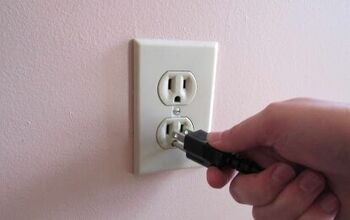
Puppies are curious and playful enough to make a mess of anything, including electrical cords. That’s why you should bundle and tuck away electrical cords, cables and wires if they’re within reach of your puppy so it doesn't chew through your Wi-Fi router cable.
Not only could this shock the dog and knock out your Wi-Fi, but your puppy could also get tangled. Bundling cords will also make the space look neater and less cluttered. Whenever possible, hide electrical cords behind a couch or chair to keep them out of the way.
4. Stock Up On Puppy Supplies
If you’ve never had a puppy, you may not know where to start with supplies. First and foremost, buy dog food that’s formulated for puppies. There are different types of food based on a dog's age, size, and diet sensitivity. You may not yet know your puppy’s ideal diet, but you can at least buy the best puppy food possible.
Read online reviews for brands like Blue Buffalo and Purina, as those are reliable. Some people free-feed their puppies, but that’s not always a good idea. Staring with scheduled feedings prevents the pup from having digestive issues. They often need four small meals a day, which you can cut down to two to three meals after a few months. Use an automatic feeder if you work long hours and can’t manually feed your dog throughout the day.
5. Toys
Puppies have a lot of energy and curiosity as they navigate their new home and it's a good idea to find healthy ways to satisfy those urges. One of the best ways is with fun toys. This includes fetch and teething toys to can help expend their energy. Toys for teething are especially useful because puppies chew on everything and anything to relieve the pain as their teeth grow.
However, only choose toys too big for them to choke on. Browse stores in person so you can see how big everything is, which is difficult online. It’s also important to spend a lot of time with your puppy and redirect their attention to the toys you bought and stop them from chewing on furniture, shoes and clothing.
6. Set Up Gates
Baby and puppy gates serve the same purpose, and they’re interchangeable. Set up gates between rooms to limit how far your puppy can roam throughout the house. Identify which rooms would be risky to let your puppy free-roam without supervision. Put a gate in the doorway of those rooms to protect the floors, furniture, and decorations from unbridled puppy power.
It’s also important to put a gate in front of the stairs until your puppy grows up and is less likely to fall down the stairs. You can gradually remove gates and let your dog roam more around your house. However, you may want to keep the gates on hand when you have people over, or you’re at work.
7. Move Toxic Items
Dogs and cats are quite sensitive to many chemicals found in commercial products and plants. Take this into account and move anything that may threaten your puppy’s health. This includes everything from cleaning products and chocolate treats to chewing gum and houseplants. Store chemical cleaners in an elevated cabinet to stop your puppy from getting into them.
Never leave any candy, chocolate, or human food on low tables and countertops. It’s also important to hide medications. Snake plants, sago palms, philodendrons, aloe vera, and ZZ plants are among the many plants that are toxic to dogs. That doesn’t mean you should get rid of them, but you should at least elevate these plants or put them in an isolated room.
8. Close Toilet Lids And Appliance Doors
Dogs like to drink from the toilet. It may sound gross, but it’s a sanitary issue, and you should not encourage it. Even worse, your puppy may try to drink some toilet water, fall in and get stuck in the bowl.
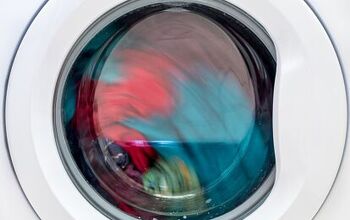
Keep toilet lids closed when not in use to keep your puppy away. Young dogs can also get stuck in large appliances, such as dryers, washing machines, and dishwashers. Close the doors and lids to these appliances to prevent your puppy from getting inside.
9. Watch Doors And Windows
You can’t trust a puppy outside on its own, especially if it sneaks out. That’s why you should closely watch open doors and windows when you have a puppy. They can easily run out the door or jump out of an open window to explore your yard. This can be dangerous, as you may not realize your puppy is gone for a few minutes or longer. Close the door when you go in and out of the house. Install screens to stop your puppy from jumping out if you like to keep the windows open.
10. Pet Camera
Pet cameras provide peace of mind, especially if you work long hours. The worry of thinking about how your puppy is doing while you’re gone all day can be tough to deal with. You can stop worrying if you install a pet camera. The key is to block certain rooms with a gate and put the camera in a centralized spot within your puppy’s roaming range. That way, you can check the feed while you’re gone and know where your puppy is at all times.
Summing It Up
To puppy-proof your house, remove choking hazards and hide toxic foods, medications, and plants. It’s also important to bundle cords and set up baby gates to keep your puppy out of dangerous areas. Buy a pet camera, set up some potty pads, and confine the puppy to a smaller area while you’re away from the house.
Related Guides:
Nick Durante is a professional writer with a primary focus on home improvement. When he is not writing about home improvement or taking on projects around the house, he likes to read and create art. He is always looking towards the newest trends in home improvement.
More by Nick Durante



![The 10 Best Table Saws - [2022 Reviews & Buyer's Guide]](https://cdn-fastly.upgradedhome.com/media/2023/07/31/9070645/the-10-best-table-saws-2022-reviews-buyer-s-guide.jpg?size=350x220)
![10 Best Electric Lawn Mowers - [2022 Reviews & Top Rated Models]](https://cdn-fastly.upgradedhome.com/media/2023/07/31/9070486/10-best-electric-lawn-mowers-2022-reviews-top-rated-models.jpg?size=350x220)