
How To Prevent Mold In A Closet


Many people don’t necessarily think about their closets until they need something from them. Because of that, closets are often dustier, dirtier, and moldier than other parts of the house. You’re not alone if you’ve ever wondered how to prevent mold from growing in a closet.
You can prevent mold from growing in your closet by running a dehumidifier and using breathable storage bins. Never hang wet clothes in your closet, especially if you leave little to no space between them. Run your bathroom fan for up to 30 minutes after showering to prevent mold from growing in the bathroom closet.
Remove the items from your closet to check for leaks if you notice a musty odor. It’s also a good idea to replace the carpet in your closet if a pipe recently leaked onto the floor. Follow along as we explore how to prevent mold in a closet.
How To Stop Mold From Growing In A Closet
1. Only Store Dry Items
Storing wet clothes and other items in your closet is a sure way to get mold to grow. For example, putting a swimsuit in your closet after a day at the pool is a recipe for disaster. Similarly, some people hang their clothes in the closet long before they’re dry, then wonder why mold formed. Ideally, you shouldn’t put your clothes in a closet or drawer until you know they’re totally dry. Closets are dark and compact enough that even just a little bit of moisture can contribute to mold.
2. Use Breathable Garment Bags
Many people store their nice clothes in garment bags to protect them from dust, debris, and the elements. This is a great idea, but only if you use breathable garment bags to ensure your clothes don’t get trapped in a moist environment. Old, dated garment bags aren’t breathable, so moisture can’t escape at all.
Breathable garment bags are made of porous materials, like non-woven polypropylene, PEVA, muslin, cotton, and linen. These garment bags prevent mold from forming on your clothing, which will stop mold from spilling out into your closet. The breathability also helps your clothing smell fresh and stay clean.
3. Leave Some Space
Many renters and homeowners alike can’t seem to find enough storage in their homes. Understandably, people try to fit as much stuff into their drawers and closets as possible. However, overstuffing your closet and packing everything tightly can contribute to mold.
One of the easiest ways to prevent mold in a closet is to leave space between your belongings. Packing your clothes too tightly leaves no room for airflow, and mold loves poor ventilation. That’s because poor airflow ensures that humidity and moisture can continually pile up. If possible, try to leave ½” to 1” of space between each of your hangers to ensure proper airflow and help keep moisture at bay.
4. Use Silica Packets
Silica packets come with many products, and they often seem useless. However, you can use them to prevent mold in your closet if you hold onto them. That’s because silica packets can absorb moisture and can stop mold from forming. By absorbing moisture, the air doesn’t get stale and overly humid. Some people even put silica packets in their shoes when they get home to prevent foul odors. Ideally, you should place several silica packets throughout your closet for the best results. Don’t put anything on the packets, or else they won’t adequately dry the air. Replace the silica packets every few months for the best results.
5. Routinely Clean Your Closet
It’s easy to neglect closets, as most people only use them to store items. Unfortunately, this means that dirt, dust, and debris slowly accumulate in most closets. Even if your closet is mostly dry, the presence of dirt and dust can contribute to mold growth. That’s because mold requires organic materials, like dust, to feed on, which helps it grow. Dust contains dead skin, which is a dream come true for mold, especially if it’s been piling up for months or longer. Things get much worse if your closet is consistently dark, warm, and moist. Ideally, dust your closet once a month, if not more. It’s also a good idea to remove the items from your shelves, scrub the shelves, manually dry them, then put the items back. Vacuum or mop the floors in your closets regularly as well.
6. Repair Leaks As Needed
Leaks can form anywhere throughout your house, as in many cases, pipes hide behind walls and under floors. It’s often hard to find the signs of a leak in a closet because it's typically packed with storage items. For example, you can’t see a wet spot on the wall if clothes are covering it. In this case, you may need to rely on your sense of smell to help you. For example, if you notice a musty, wet odor, it may indicate a leaking pipe behind the wall. Remove the clothes from the hanger rack and inspect the walls for wet spots. If you find one, call a plumber immediately before the leak worsens. After the leak is fixed, leave the closet door open for a while. Run a dehumidifier as needed until your closet is no longer humid.
7. Run Your Bathroom Fan
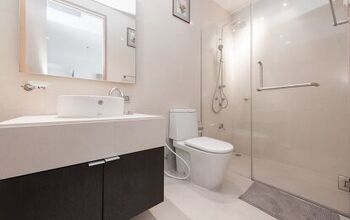
Many bathrooms have closets, and they’re at risk for mold growth due to the ever-present moisture. The risk for mold grows stronger each time you take a shower. You can largely prevent mold in a bathroom closet by running the fan each time you shower, and leave it on afterward for another 20-30 minutes after you get out of the shower. This may seem like a lot, but moisture can linger in the air for a long time after a hot shower. It’s also a good idea to leave your bathroom door open for 20-30 minutes after showering. Moisture is unlikely to settle in your closet if you ventilate your bathroom well enough. Crack open the bathroom closet door and run the fan for a while if you notice it smells musty inside.
8. Remove The Carpet After Leaks
Naturally, carpets and rugs can retain water for a long time when they become wet. Some people understandably hesitate to remove their favorite rug or carpet after a leak. However, that carpet can stay damp for longer than you may think, and it can cause problems. Remove the carpet in your closet after a serious leak to prevent mold and replace it with a rug, as that’s easier than dealing with mold. Otherwise, mold can taint everything in the closet and impact the indoor air quality.
9. Run A Dehumidifer
Dehumidifiers are more effective than you may think, and are helpful in damp closets. You can use a dehumidifier to easily prevent mold and mildew in a closet. You can find compact dehumidifiers that can fit in any closet. The goal is to ensure the humidity level in the closet is around 30% to 50%. There is a high chance that mold and mildew will form if your closet reaches a 60% indoor humidity level. However, you must be careful to ensure that the humidity level doesn’t drop below 30%. Too low of humidity is just as bad, but for different reasons. For example, you can damage your nice clothing as dry air can damage certain materials, like leather and wool.
10. Use Breathable Storage Bins
It’s tempting to store your items in airtight containers in your closet. However, doing so can increase the chances of mold and mildew growing in the containers. Upon opening these containers, you may inadvertently release mold spores into the air. These spores can spread throughout your closet and move throughout your house. Slatted boxes and open-weave lids can help prevent mold from forming in the containers in your closet.
Summing It Up
The best way to prevent mold in a closet is to only store dry items and leave some space between them. It also helps to set some silica packets out to absorb any moisture in the air. Regularly clean your closet to remove dust and use breathable garment bags and boxes to prevent mold.
Related Guides:
Nick Durante is a professional writer with a primary focus on home improvement. When he is not writing about home improvement or taking on projects around the house, he likes to read and create art. He is always looking towards the newest trends in home improvement.
More by Nick Durante