
Whole House Versus Portable Humidifier


So many people struggle with dry air and have difficulty maintaining the perfect indoor humidity. That’s why many homeowners want a humidifier, but figuring out the best one can be tricky. So, what’s the difference between a whole-house humidifier and portable humidifier?
Whole-house humidifiers connect to the HVAC system and increase humidity throughout the entire home. Conversely, portable humidifiers are small and meant to increase the humidity in a single room. Portable humidifiers are best used in homes with one dry room, whereas whole-house humidifiers can fix whole-house dryness.
The ideal indoor humidity is 30% to 50%, which you can achieve with a humidifier. Follow along as we highlight the differences between whole-house humidifiers and portable humidifiers.
Pros and Cons Of A Whole House Humidifier
If whole-house humidifiers were perfect, everyone would have them. That said, most homeowners can benefit from using a whole-house humidifier. Follow along as we explore the pros and cons of this option and compare them to portable units.
Pros
Wide Coverage
The biggest benefit of a whole-house humidifier is that it offers such wide coverage. This is essential if you struggle with dry air throughout your home. Unlike portable humidifiers, a whole-house one connects to your HVAC system, distributing moisture by sending it throughout your ductwork to increase humidity in your house. The process is somewhat elaborate, but in some cases, it can take up to two hours for a whole-house humidifier to increase a home’s humidity. That’s relatively quick and no other method offers such wide coverage.
Protects Your Furniture
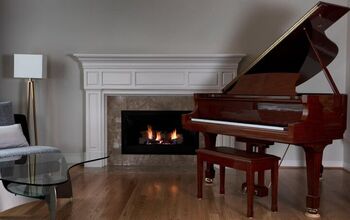
If your indoor air is overly dry, it may be affecing your wooden furniture and doors. Excessive moisture can harm wood as well, but a lack of moisture can split and crack it. This may explain why your doors, chairs, and tables are cracked and weakened. That’s especially true if your home’s indoor humidity drops below 35%, which is low enough to make a huge difference. A whole-house humidifier can help protect your floors, doors, and furniture in every room.
Help With Respiratory Difficulties
Homeowners with asthma understand how humidity can affect their breathing. High humidity can cause respiratory discomfort, but low humidity is just as bad, if not worse. Dry, brittle air can irritate airways, make you cough, and trigger breathing problems. You can use a whole-house humidifier to uniformly raise the humidity in all rooms at home. You can experiment with a whole-house humidifier to see what level is best for your situation. Start at 30% to 35% and go up from there without exceeding 60%.
Cons
Whole-house humidifiers are luxuries, but they have several faults, including:
Higher Risk Of Mold
If there’s one thing mold loves, it’s humidity. Using a whole-home humidifier can sometimes increase your home’s humidity too much. That doesn’t mean everyone who uses a whole-home humidifier has mold. Ideally, you should closely monitor your home’s humidity level to ensure it doesn’t exceed 60%. It’s also important to patch pipe leaks, boost airflow at home, and quickly clean up after spills. That way, you don’t have to worry about other potential mold sources at home. You can also use a humidity monitor to quickly check the humidity at any time. Program your whole-home humidifier to maintain 30% to 50% humidity.
Expensive Installation
Whole-house humidifiers are expensive to install. You can expect to spend between $400 and $2,500, depending on many factors, such as home size, materials, and labor. The type of humidifier you choose can also play a big role in how much money you spend. Bypass humidifiers and fan-powered models are the cheapest options. For example, you can install a bypass humidifier for $600 to $800, which is a great deal despite the moderate performance. Steam humidifiers are the best, but installation costs start at $1,000 and can reach $2,500 or more. That said, this is the best choice for large homes with many rooms spread throughout several floors.
Frequent Maintenance
Whole-house humidifiers are low maintenance, but not if you live in a house with hard water. In that case, you must regularly clean the reservoir to remove mineral buildup. The best way is to use white vinegar and water, rather than harmful chemicals. You must also replace the water panel pad at least once yearly to ensure proper operation. The maintenance isn’t difficult, but it requires more work if you have hard water at home.
Pros and Cons Of A Portable Humidifier
A portable humidifier isn't as comprehensive as a whole-house humidifier, but it can help with dry indoor air. Follow along as we highlight the pros and cons of portable humidifiers and compare them to whole-house units.
Pros
Easy To Use
Portable humidifiers are much simpler and easier to use than whole-house models. All you need is to fill it with water, turn it on, and wait until it increases the room’s humidity. It will take a few hours to work in most cases, but it offers the easiest way to boost indoor humidity.
Affordable
Portable humidifiers cost hundreds or even thousands of dollars less than whole-house humidifiers, since they’re much smaller and less comprehensive. You can find nice portable humidifiers for $40 to $100. Some are cheaper than that, but you may want to think twice about getting a portable humidifier in the $10 to $30 range. They don’t perform as well, hold as much water, or last as long.
You Can Target Problematic Areas
A whole-house humidifier may be overkill if you only have a problem with dry air in one room. In that case, you can save a lot of money and target the problematic area using a portable humidifier. You can also move a portable humidifier between rooms when you need to. You can even save money if you get two portable humidifiers compared to a whole-home system.
Cons
Portable humidifiers are mostly great, but they do have some irritating downsides, including:
Frequent Refills
Portable humidifiers typically have a water tank capacity, which means you must refill them often. This can be annoying if your home is very dry. That said, some people cannot afford to pay over $1,000 to install a whole-house humidifier, so portable units are the only option. You may want to pay attention to how quickly your humidifier runs out of water, and set a timer to refill it. That way, you can maintain comfortable indoor humidity as needed.
It Can Get Messy
Does your home have hard water? If so, you may make a mess when you run your portable humidifier. When you put tap water in a humidifier, it will vaporize minerals and the dust can settle on your portable humidifier and the surfaces around it. The white powder doesn’t look great, and you can accidentally track it throughout your home. Inhaling vaporized tap water can also irritate your lungs, even if you don’t have asthma. In that case, you’re better off using distilled or demineralized water.
Maintenance
Aside from frequent refills, you must also take care of a portable humidifier. It can quickly get dirty, especially if you use tap water with a high mineral content. If not, it still gets dirty due to the constant moisture, and bacteria can thrive. Clean a portable humidifier at least once every 2-3 days. Otherwise, you may release bacteria into the air. The best way to clean it is to rinse the unit with distilled white vinegar or hydrogen peroxide.
Summing It Up
Whole-house humidifiers are better than portable humidifiers if each part of your home is very dry. Otherwise, you’re better off using a portable humidifier, as you can save money and only treat the problematic room. Portable humidifiers are easy to use and affordable, but they lack the range of a whole-house humidifiers.
Related Guides:
Nick Durante is a professional writer with a primary focus on home improvement. When he is not writing about home improvement or taking on projects around the house, he likes to read and create art. He is always looking towards the newest trends in home improvement.
More by Nick Durante