
Should I Replace My Garbage Disposal?


Because most people don’t necessarily peer into their sinks at their garbage disposal, it’s easy to forget about it. That said, you’ll likely think about your garbage disposal when you realize it doesn’t work nearly as well as it once did. You may then wonder, should I replace my garbage disposal?
You should replace your garbage disposal if it’s 10-15 years old and heavily corroded. Loud humming sounds can indicate that the disposal’s motor is struggling to keep up with the demand. Disposal leaks and heavy corrosion can indicate that you should replace the unit altogether.
It’s better to replace a disposal before it’s too late, or else it will fail when you need it most. Follow along as we explore what to consider before replacing your garbage disposal.
When To Replace Your Garbage Disposal
1. You Need To Reset It Regularly
Garbage disposals have reset buttons at the bottom, however, you shouldn’t need to reset your garbage disposal too often. You only need to reset it when it overheats, jams, or experiences an electrical surge. However, older, neglected garbage disposals are more prone to these types of issues. For example, a garbage disposal will easily overheat with little use when it's old or in bad shape. In that case, you must regularly reset it. The more often you need to reset your garbage disposal, the more you should worry. Resetting the unit won’t damage it, but it should at least tell you something is wrong. At that point, it might be a good idea to replace it.
2. Strange Sounds
Garbage disposals are loud and intimidating, but most people get used to the noise it makes. While silverware may slip through and make loud churning noises, a garbage disposal should sound roughly the same each time it runs. If your garbage disposal is too loud, it’s likely due to worn components inside the unit. That’s especially true if it hums loudly, but doesn’t spin. At the very least, you should call a plumber to inspect the unit when this happens.
3. Leaks Under The Disposal
Many people don’t necessarily associate a leak in their kitchen sink with their garbage disposal. While a disposal isn't always to blame, it can happen. Garbage disposals have durable seals meant to prevent leaks from happening but eventually, these seals can weaken due to moisture, the elements, and natural wear and tear.
Unfortunately, the best option is to replace the garbage disposal altogether when this happens. Your garbage disposal can also crack after many years, or due to irresponsible use. Otherwise, you may damage the materials in your cabinet and contribute to mold growth. Replacing a garbage disposal is often cheaper than repairing water damage and treating mold.
4. The Sink Drains Slowly
When a garbage disposal is in great shape, it should quickly break food scraps down into small pieces. This ensures that they can easily go down the drain without clogging your pipes. Unfortunately, garbage disposals slowly get worse at their jobs as they age.
The best-case scenario is that it's due to dull blades, which can happen after many years. However, the worst-case scenario is that the motor is too weak to effectively break down food scraps. In that case, food may enter the drain largely intact and clog the pipes. That can explain why your sink suddenly drains slowly, which you may at first attribute to the pipes. However, you can tell the disposal is to blame if it hums weakly when it runs. Replacing your disposal should fix this problem and protect your pipes.
5. Heavy Corrosion Sets In
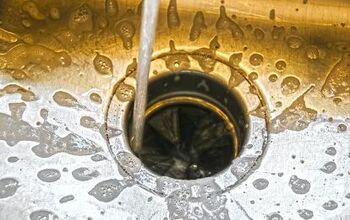
It’s only a matter of time before your garbage disposal gets corroded. This is natural, as it’s made of metal and stays consistently damp. A little bit of corrosion won’t likely destroy your garbage disposal, but it will eventually hinder the performance.
As your disposal becomes corroded, it will likely become louder and less effective. The first thing most people notice is that the blades become dull. Blades are replaceable, but the corrosion isn’t likely isolated to them. It’s best to replace the whole disposal to ensure all the parts are new. That way, you won’t have to replace random components each year.
6. It’s 10-15 Years Old
Like everything else in your house, a garbage disposal has an expiration date. You can expect your garbage disposal to last roughly 10-15 years, depending on factors such as usage habits and the brand. Cheap, low-horsepower garbage disposals sometimes start to fail in as little as seven years, sometimes less.
Granted, that won’t happen to many people, as most homeowners and landlords buy standard garbage disposals, but they do become more prone to jamming as they get older. The circuit breaker will likely trip more often, so you must reset the disposal more frequently. There’s also a good chance that your garbage disposal will work slowly when it reaches 10-15 years old. You can replace the blades, but that won’t help an old, outdated motor. Don’t hesitate to replace your garbage disposal when it becomes inefficient.
How To Make A Garbage Disposal Last Longer
You can make your garbage disposal last as long as possible if you take a few things into account, including:
Avoid FOG
Fats, oils, and grease (FOG) will not only damage your plumbing, but they can also damage your garbage disposal. You should never put fatty foods in a disposal, as grease removal costs thousands of dollars. As well, putting meat in your garbage disposal is a grave mistake. However, some people forget that you can’t rinse a pan covered in olive oil or butter in a sink. Doing so will coat the garbage disposal and clog the pipes.
Feed It Gently
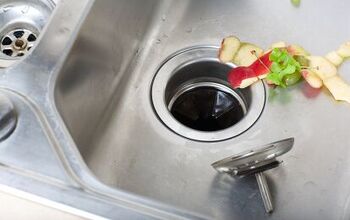
Feeding food into your garbage disposal is a delicate dance. Yes, it’s meant to handle food scraps, but you must be careful with how you go about it. For example, you can quickly dull the blades if you overload the disposal with thick, fibrous veggies.
Not only will that dull the blades, but it can also strain the motor. You can replace blades, but you don’t want to damage the motor. Once a motor stop working, you’re better off replacing the unit altogether, which can get expensive. Never put anything in your disposal that can expand while moist, such as rice and pasta. This can create blockages in the disposal and in the pipes underneath it.
Regularly Flush Your Garbage Disposal
Ideally, you should flush your garbage disposal with water each time you use it. Many people assume you should use warm water while running the disposal. However, you should only use cold water when feeding food scraps into a garbage disposal.
That’s because cold water can solidify fat, which ensures it will run down the drain. Warm water melts grease, which means it may stick to your disposal and the pipes under your sink. However, you should still flush your drain with warm water 1-2 times per month. In that case, you should treat your sink with baking soda and white vinegar to remove clogs, then flush with warm water. Never pour chemical cleaners into your garbage disposal, or you will likely damage the metal.
Summing It Up
Replace your garbage disposal if you must regularly reset it, and it still struggles to grind your food. Excessive noise, frequent leaks, and heavy corrosion are also signs that you should replace your garbage disposal. You can extend a disposal’s lifespan by keeping fats, oils, and grease out of it.
Related Guides:
Nick Durante is a professional writer with a primary focus on home improvement. When he is not writing about home improvement or taking on projects around the house, he likes to read and create art. He is always looking towards the newest trends in home improvement.
More by Nick Durante






![Cost To Drill A Well [Pricing Per Foot & Cost By State]](https://cdn-fastly.upgradedhome.com/media/2023/07/31/9074980/cost-to-drill-a-well-pricing-per-foot-cost-by-state.jpg?size=350x220)
![10 Most Dangerous Neighborhoods in Baltimore [Updated]](https://cdn-fastly.upgradedhome.com/media/2023/07/31/9075655/10-most-dangerous-neighborhoods-in-baltimore-updated.jpg?size=350x220)

![Standard Dining Room Table Dimensions [for 4, 6, 8, 10 and 12 People]](https://cdn-fastly.upgradedhome.com/media/2023/07/31/9074335/standard-dining-room-table-dimensions-for-4-6-8-10-and-12-people.jpg?size=350x220)