
How To Tell If You Have A Dead Animal In Your House


No matter how secure you think your home is, there’s still a good chance that there are some gaps and cracks. Unfortunately, rodents and other animals can sneak through these gaps, get stuck in your house, and eventually die. You’re not alone if you suspect there’s a dead animal in your house, but you aren’t sure.
You can tell there’s a dead animal in your house if you notice a strong rotting odor accompanied by wet spots. There’s also a good chance that you’ll find flies and maggots in your house, as flies lay eggs on dead animals and feed on them. Your pets may also fixate on the area where the dead animal has died.
Discovering a dead animal at home can be quite disturbing, but you must act fast. The last thing you want is to let the fly population in your house continue to grow. Follow along as we explore how to tell if you have a dead animal in your house.
Five Signs There’s A Dead Animal In Your House
Realizing there is a dead animal in your house leaves nothing to the imagination, and that’s the best-case scenario, as it’s better than having to wonder if something has died in the walls or under the floor of your home. Luckily, you can tell there’s a dead animal if you look out for five specific signs, including:
1. A Foul Odor
Most people suspect there’s a dead animal in their house because they smell a foul odor. A bad smell can come from many sources, like plumbing problems, mildew, mold, HVAC issues, and the garbage can. However, the smell of a dead animal in your house is mostly unmistakable.
That said, the problem is that it can sometimes take a while before the smell becomes so bad that it permeates throughout your home. A trapped dead animal typically creates a pungent smell reminiscent of expired, rotting meat. If the smell appears when the air conditioner runs, it may indicate that the animal is in your ductwork.
Otherwise, it may be trapped behind your walls or even behind your appliances. A big sign that it’s a dead animal is that the smell gets worse each day. That’s because it takes a while for an animal to decay, and the smell typically gets worse throughout the process.
2. Wet Stains
You may wince at the thought, but liquification is unfortunately a part of the decomposition process. Depending on how long the dead animal has been in your house, it may liquify and leave wet stains behind. Such stains aren’t always visible if the animal is trapped somewhere discreet, such as in ductwork.
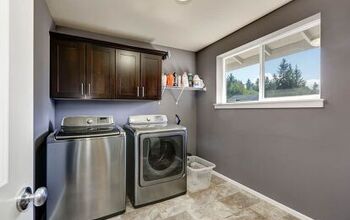
However, you can tell there’s a dead animal in your house if wet stains accompany a foul odor. The wet spots may appear on your walls, ceiling, or floors. In some cases, you may even see a wet spot forming beneath an appliance, such as the washing machine.
That’s because animals typically die in houses when they get stuck in hard-to-reach areas. This is often behind walls, between floors, and under furniture and appliances. Act fast if you notice wet spots, so you can minimize the stains and quickly remedy the problem.
3. Excessive Flies
Even worse than the foul odor and wet spots is seeing an excessive number of flies. That’s because flies flock to decomposing animals and animal waste to use as food sources. Unfortunately, flies also lay eggs in and around dead animals, so you may notice an influx of young flies, and yes, maggots.
Not only is that disgusting, but it’s also a serious sanitary and hygiene issue that you should be concerned about. However, there’s no need to panic if you act quickly upon noticing the influx of flies. Nobody wants to get bitten by flies that have recently feasted upon a dead raccoon or mouse.
The one upside to finding a fly infestation at home is that they can help you find the dead animal. In most cases, the dead animal will be located where the flies are most active. However, you’ll unfortunately need to hire someone to treat your home for flies, alongside the wildlife removal service.
4. Strange Pet Activity
Furry pets, such as cats and dogs, can alert homeowners to many strange things going on in their homes. That includes the presence of other animals in their homes, whether the animal is alive or dead. There’s a good chance that your pets detected the now-deceased animal before it died.
For example, you may have noticed your dog barking at a spot in the wall or behind your washing machine. Now that the animal’s dead, you may notice your dog or cat fixating on an area in the vicinity. The smell and influx of flies may disturb your pets, and there’s a chance their behavior will change.
Pay attention to their behavior and investigate the area they’re fixating on. More importantly, you must move your pets away from the area to ensure they don’t touch (or bite) the dead animal. The dead animal may carry diseases, so you must protect your pets from it.
5. Unusual Sounds Followed By Silence
Animals typically die in houses because they get stuck. Before dying, they often scurry around, scratch the walls, and make sounds during their struggle. This should tell you that there’s an unwelcome animal in your house, and you should call a wildlife removal service.
However, the sound will eventually stop, which indicates one of two things: the animal has left, or it has died. Naturally, the foul odor will appear and confirm your suspicions that the animal died. The best move is to act fast and quarantine your pet away from the dead animal.
Who Do You Call To Remove A Dead Animal?
You must quickly call a local wildlife removal service if you suspect or find a dead animal in your house. Time is money when it comes to this unique problem, as things will only get worse if you wait too long. The flies will lay eggs, which will hatch, mature, wreak havoc, and continually reproduce.
This can lead to a seemingly endless struggle to keep your home pest- and odor-free. You can also call a pest control service and see if they’re willing to remove a dead animal from your home. Keep in mind that some pest control services don’t remove dead animals, but they can typically refer you to someone else.
You can expect to spend at least $150 to remove a dead animal from your house, but it can cost $400 or more in some cases. Removal gets more expensive if they must cut into your wall, ceiling, or HVAC ductwork to access the animal. However, it’s worth the cost, as professionals have the gear and safety equipment needed to remove many types of dead animals.
Summing It Up
Foul odors and wet spots on your walls, the ceiling, and under furniture and appliances can indicate there’s a dead animal in your house. You can also tell there’s a dead animal in your house if you notice your pets fixating on an area where nothing is unusual besides a bad odor. Call a wildlife removal service right away to remove the dead animal from your home.
Related Guides:
Nick Durante is a professional writer with a primary focus on home improvement. When he is not writing about home improvement or taking on projects around the house, he likes to read and create art. He is always looking towards the newest trends in home improvement.
More by Nick Durante








![Standard Dining Room Table Dimensions [for 4, 6, 8, 10 and 12 People]](https://cdn-fastly.upgradedhome.com/media/2023/07/31/9074335/standard-dining-room-table-dimensions-for-4-6-8-10-and-12-people.jpg?size=350x220)