

Do Houseplants Attract Bugs?


Taking care of houseplants can enrich your life and make your home look inviting. However, houseplants also require a lot of maintenance, even when nothing out of the ordinary happens. So, do houseplants attract bugs?
Houseplants attract bugs, such as aphids, spider mites, mealybugs, and fungus gnats. Flying insects like thrips and whiteflies, can enter your home through open windows and damage your houseplants. Scale insects and springtails are also problematic houseplant bugs that you must look out for to protect your plants.
Most bugs that feed on houseplants come indoors by hitching a ride on plants in your garden. However, you can also accidentally bring infested plants home from local garden centers. Follow along as we explore how houseplants attract bugs and highlight ways to get rid of them.
What Bugs Are Attracted To Indoor Plants?
Aphids
Aphids are a problematic pest, but most people find them outdoors. Unfortunately, they can be on plants when you bring them inside. They can also latch onto your clothing and end up on your houseplants when you go indoors. They will damage your plants, spread among them, and quickly reproduce. Aphids also produce honeydew residue, which can attract ants and fungus gnats.
They are hard to get rid of unless you manually remove them or soak your houseplants. You may need to soak ythem for up to 15 minutes if they’re heavily infested. Cover the soil before soaking your infested plants in water. Otherwise, you may strip vital nutrients from the soil.
Spider Mites
Spider mites can be a nightmare because getting rid of them is quite difficult. They’re tiny, hard to spot, and prolific when it comes to reproducing. Many plant nurseries inadvertently sell plants with a few spider mites. When you bring the plant home, the spider mites can easily reproduce and spread to your other houseplants. Once that happens, you will have a problem.
Carefully inspect each plant before bringing it inside from your yard or a plant nursery. When you find spider mites, blast them off the leaves with high-pressure water. Or you can place the infested plants in a bucket of water to drown the spider mites.
Mealybugs
Mealybugs are just as bad for your houseplants as they are for the plants in your garden. Houseplants attract mealybugs because of warmth, moisture, and overall humidity. That’s especially true if you run a humidifier in your indoor garden. It’s important to address mealybugs as soon as you find them. They multiply by the hundreds within a few weeks.
You can kill mealybugs by spraying them with a mixture of mild dish soap and water. However, be careful, as the mixture can damage your houseplants. The dish soap can strip the plants’ natural oils, so make sure to only aim at parts of the plant with mealybugs. Otherwise, you can put gloves on and manually remove them to avoid harming your houseplants.
Fungus Gnats
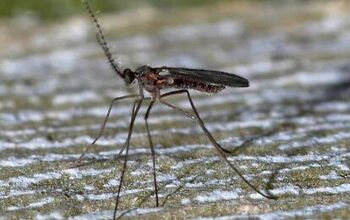
Indoor plants attract fungus gnats even if you don’t accidentally bring infested plants inside. That’s because fungus gnats often fly into homes looking for food sources. Houseplants are perfect for fungus gnats because they typically stay damp, especially if you have tropical plants. Overwatering your houseplants is bad for many reasons, and that’s the easiest way to attract fungus gnats.
Only water most houseplants when the top 2” of soil dries out. Otherwise, you can waterlog the roots, contribute to fungal diseases, and attract fungus gnats. You can kill fungus gnats on houseplants using neem oil and yellow sticky traps. Neem oil is especially useful for killing funus gnat larvae. Sticky traps are best for catching mature fungus gnats flying around your houseplants.
Scale
Scale insects don’t move much, but they can significantly damage your houseplants. You can bring them indoors on plants that already have scale insects, and they’ll spread from there. Once this happens, scale insects can slowly move from plant to plant and cause a lot of damage. That’s especially true if you have lots of plants that produce sap, as that’s what attracts scale insects.
Your best bet is to dab scale insects with isopropyl alcohol and manually remove them. Soak a cotton swab with isopropyl alcohol, then tap each of the scale insects. The alcohol will weaken the insects’ grasp, so you can easily remove them. Otherwise, you can prune the infested branches or spray them with insecticidal soap.
Springtails
Springtails can find their way into your house even if they don’t latch onto the plants you bring indoors. That’s because they will go nearly anywhere that has the right conditions. You will likely find springtails indoors when it becomes too dry or too wet outside. They need moisture, but excessive rain can overwhelm them, and they’ll seek dryer conditions indoors.
Lack of outdoor humidity will drive them indoors. Springtails love damp soil, especially when fungus and mold are present. That’s why you must be careful not to overwater your houseplants. Use well-draining soil and maintain 30% to 50% indoor humidity to keep springtails out of your house.
Thrips
Thrips can enter your home by flying or blowing through your windows or hitching a ride on plants. Once inside, they hop from plant to house and suck the sap out of them. Because they can fly, they are even more problematic than many other common houseplant pests. Thrips love orchids, philodendrons, ficus, roses, and other colorful flowers.
However, they also cling to tomatoes, cucumbers, onions, and peppers. Check all your outdoor plants for thrips before bringing them indoors. It’s also important to keep your windows shut if you have a lot of plants near your exterior walls. Otherwise, thrips will fly into your home and suck sap from your houseplants.
Whiteflies
Houseplants can also attract whiteflies, which similar to thrips. They can fly into your home through an open window and hitch rides on plants. Once inside, they attach to the underside of your houseplants’ leaves and suck sap from them. The big problem is that whiteflies can also attract other bugs toward your plants.
They secrete sweet honeydew residue, which ants, flies, and other bugs love. This can create a seemingly endless cycle until you get the whiteflies out of your house. First, you must move the infested plant or plants away from your other houseplants. Next, wash the plants, dry them, spray them with insecticidal soap, and let them dry. Going forward, it’s a good idea to put yellow sticky traps in the soil to catch whiteflies and fungus gnats.
Leaf Miners
Leaf miners are exactly what they sound like. They are the larvae of many insects, such as moths, flies, and beetles that burrow into leaves and chew through them. You can tell if leaf miners have been feeding on your plants when the leaves have strange translucent patches. The larvae strip so much of the sap, nutrients, oils, and plant matter that the leaves become see-through.
Leaf miners are often already burrowed into plants that you bring indoors from your garden or a plant nursery. Detecting them is difficult until they’ve already damaged your houseplants. It’s hard to get rid of leaf miners unless you prune the affected leaves. You can use neem oil, but you may not reach the leaf miners in the leaves, so it’s better to prune them.
When Should You Give Up On An Infested Houseplant?
Many people give up on houseplants if the infestation remains after many treatments. That’s especially true if you’ve tried everything from neem oil and insecticidal soap to commercial pesticides to no effect. These solutions often work, but they’re more effective when you catch the infestation as early as possible. Once the spider mites or other pests take hold, it’s hard to eradicate them without damaging the plant.
You may need to soak a houseplant in a bucket of water several times in 15-minute increments. Each time you do so, you run the risk of further harming your houseplants, and they may not bounce back. Giving up on heavily infested houseplants is your best bet if nothing works. That way, you can at least minimize the infestation and keep the bugs from spreading.
Summing It Up
Houseplants attract many bugs, such as leaf miners, whiteflies, thrips, springtails, and scale insects. Other pests, like aphids, spider mites, and mealybugs, can also find their way to your houseplants. To prevent infestations, inspect each plant before bringing it into your house to make sure there are no problematic bugs.
Related Guides:
Nick Durante is a professional writer with a primary focus on home improvement. When he is not writing about home improvement or taking on projects around the house, he likes to read and create art. He is always looking towards the newest trends in home improvement.
More by Nick Durante


![Finishing Basement Without Permit [Is It Really Illegal?]](https://cdn-fastly.upgradedhome.com/media/2023/07/31/9070078/finishing-basement-without-permit-is-it-really-illegal.jpg?size=350x220)