

The Ups And Downs Of Mass-Produced Home Design Trends

Walk into almost any home décor store or scroll through social media, and you'll probably notice something familiar. The same bouclé chairs, black metal light fixtures, fuzzy throw blankets, and nesting side tables seem to appear everywhere. While these popular pieces are stylish, they can also make your home look like everyone else’s.
Mass-produced home design has benefits and drawbacks. It makes it a breeze to find trendy furniture and accessories at budget-friendly prices. However, if you rely on it too much, your house can start to look more like a furniture showroom than a home. Finding a balance between mass-produced goods and unique pieces helps give you the best of both worlds.
Whether you're furnishing your first apartment or giving your living room a fresh update, you can buy almost everything you need in one shopping trip. That's a huge advantage for busy homeowners, but it’s still important to create a house that feels like your home.
Why Mass-Produced Home Décor Is So Popular
There's a reason design trends catch on so quickly. Large furniture companies and home retailers spend a lot of time studying what customers want. When a style becomes popular, they produce thousands to millions of pieces that match that trend.
This practice can make it a lot easier for you to create a stylish home. Instead of searching for months to find matching furniture, you can buy coordinated collections within a few clicks online. Sofas, coffee tables, rugs, lamps, and artwork that complement one another are packed onto shelves ready for purchase.
Social Media's Influence On Home Design
It's pretty much impossible to talk about home design these days without recognizing the role of social media. All of the platforms bombard you from every angle with perfectly styled rooms, trending products, and fine-tuned marketing that inspire millions of decorating decisions.
Social media fuels trends by showcasing influencers, designers, and celebrities decorating with certain pieces, colors, and styles. You want those things in your house, too. Before long, retailers take notice, and they fill their shelves with similar products, making the trend available to everyone.
The Benefits Of Mass-Produced Design
First, it’s important to note that mass-produced décor isn't all bad. In fact, in many ways, it has made home decorating more accessible for millions of people.
Affordable Prices
One of the biggest advantages is cost. Manufacturers produce all sorts of home goods and furniture in large quantities, which is why prices are often lower than handcrafted or custom-made pieces. Instead of paying thousands of dollars for a handmade dining table, you can purchase a similar-looking version for a fraction of the price. That affordability opens the door for people who otherwise couldn't afford stylish furnishings.
Easy To Find
Another benefit is convenience, which saves time and lowers stress. Years ago, finding matching furniture often meant visiting several different high-end stores or working with local artisans. Now you can order an entire room online with just a few clicks. Need a bookshelf that matches your TV stand? Chances are it's available in the same collection.
Trendy Looks
Mass-produced furniture allows homeowners to keep up with current design trends. Modern organic, Scandinavian, coastal, industrial, or minimalist styles all become available at attractive prices. People can enjoy fashionable interiors without hiring a professional designer. The manufacturing process has already put everything together for them.
Great For First Homes
Many young adults and first-time homeowners gravitate toward affordable furniture to save their wallets. Getting used to the expenses that come with a home means that many people are often still building their lives and figuring things out. Buying inexpensive pieces allows budget-savvy individuals to furnish their homes quickly without making huge financial commitments. As their needs change, they can always replace or upgrade pieces.
The Downsides Of Mass-Produced Home Trends
As with most things in life, with the good comes some bad. When you consider mass-produced décor and its benefits, you also have to recognize some drawbacks.
Homes Begin To Look The Same
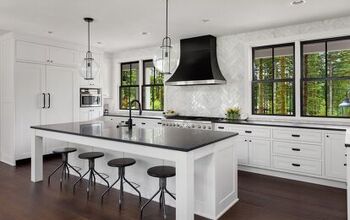
One of the biggest criticisms of mass-produced design is the "cookie-cutter" effect. You’ve more than likely seen this in action in home exteriors, with many new construction homes sporting all-white-and-black facades. The same goes for how you decorate your house. When millions of people purchase the same coffee tables, identical wall art, and matching accent chairs, interiors begin to lose their individuality. The furniture may be attractive, but it doesn't always tell a story about the people living there. Instead, it’s more a reflection of what’s trending in stores or on Instagram at the time.
Lacks Personal Style
Home design should be personal, and your house should be a collection of your memories, interests, and family traditions. Using items from your travels, heirloom pieces, or even DIY art can add unique character. When you constantly chase trends, you risk ignoring what you truly love. Ultimately, you may neglect your own style, thinking you have to go with what’s popular. For example, you adore vintage furniture, but hide treasured pieces because they don't match the latest trend. If you do this too much, over time, your home can start feeling more like a cold copy of some prototype than an original, personal space.
Trends Change Very Quickly
Design trends rarely last forever, and mass production tends to speed up the timeline. What looks fresh today often ends up outdated just a few years later, creating pressure to continually redecorate. This constant buy-and-replace cycle negates one of the upsides of mass-produced design: affordability. If you constantly replace pieces, you’re probably spending more in the long run.
Negative Environmental Impact
Mass-produced furniture and home decor come with several environmental concerns. As previously mentioned, it pushes people to buy and replace continuously, which can put more products in landfills. Plus, many inexpensive pieces feature lower-cost materials. It keeps prices down, so consumers save money, but it sometimes means the furniture doesn't last as long. For both of these reasons, manufacturers create more and more items, using more resources and creating a bigger carbon footprint.
Why Vintage And Handmade Pieces Are Making A Comeback
As more homes begin to resemble one another, many homeowners are rediscovering the charm of older and handcrafted items. Vintage furniture often has character that newer pieces can't easily match. A solid wood dresser passed down through generations tells a story. Handmade pottery may have slight imperfections, but those details make each piece unique. Local artists and furniture makers also create items that you won’t find in every home across the country. Mixing one-of-a-kind pieces with modern furniture creates rooms that feel collected and intentionally curated rather than copied.
Finding The Right Balance For Your Home’s Style
Mass-produced home design trends have made decorating easier, faster, and more affordable. It gives homeowners access to attractive furniture, coordinated collections, and stylish spaces without requiring a huge budget or a ton of time. However, convenience comes with trade-offs. Following every trend can lead to cookie-cutter interiors that lack personality, encourage frequent redecorating, and contribute to unnecessary waste.
The best takeaway is to remember that decorating doesn't have to be an all-or-nothing choice. Mass-produced furniture can serve as an excellent foundation for a room, and then you can add in personality with accessories. Family photographs, pieces created by local artisans, travel souvenirs, heirlooms, colorful pillows, handmade quilts, plants, and other meaningful decorations all help tell your story. Even changing paint colors or swapping hardware on mass-produced furniture can make common pieces feel more personal.
Combine trendy accents with timeless furniture. When styles change, update smaller accessories instead of replacing an entire room. Look for well-made furniture with classic lines that can stand the test of time. A careful, thoughtful approach saves money, while allowing your home to evolve naturally over time and reflect your style.
Related Guides:
- 10 Ways To Buy Furniture And Home Decor On A Budget
- Easy Tips To Refresh Your Bedroom For $100
- How To Make The 3-5-7 Rule Of Design Work In Your Home

Stacy Randall is a wife, mother, and freelance writer from NOLA that has always had a love for DIY projects, home organization, and making spaces beautiful. Together with her husband, she has been spending the last several years lovingly renovating her grandparent's former home, making it their own and learning a lot about life along the way.
More by Stacy Randall